Zinc Plating for Corrosion Resistance: Protecting Components That Last Longer
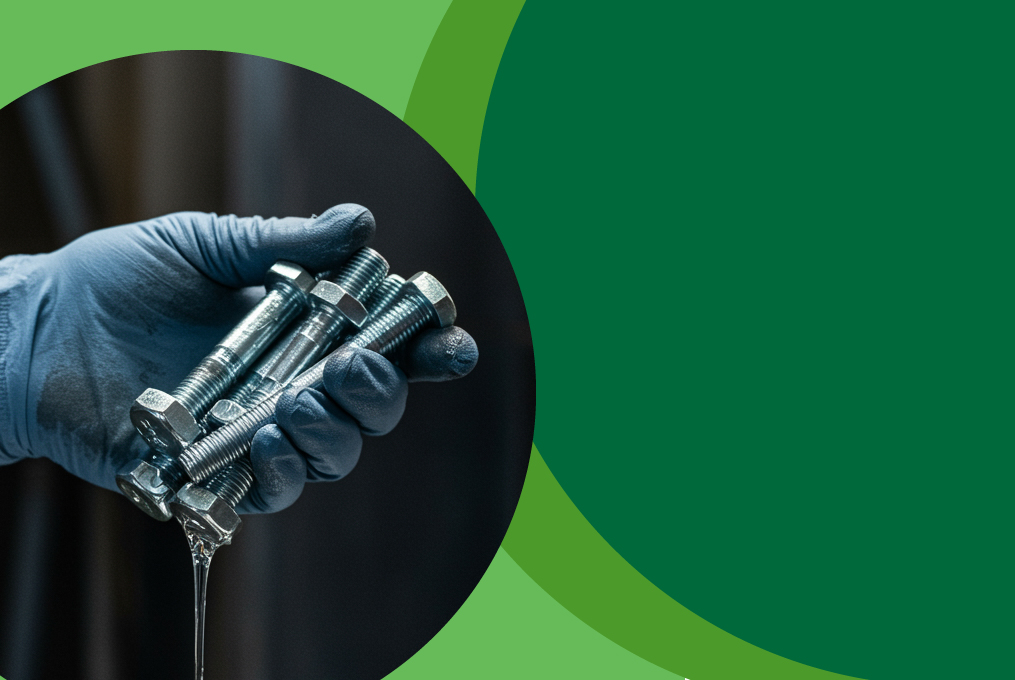
In the manufacturing world, protecting metal components from wear and corrosion is vital. Metal parts are constantly exposed to moisture, chemicals, and harsh environments. Without proper protection, they can rust and fail quickly. This is where zinc plating comes in. It provides a thin, protective layer over metal surfaces, preventing rust and extending their lifespan. Industries like automotive, electronics, construction, and aerospace rely heavily on this process for durability and reliability. Let's dive here everything about Zinc plating, its advantages, and its types, where it is used, and lots more. Read on!
What Is Zinc Plating?
Zinc plating, also called galvanizing on a smaller scale, is a method of coating a metal surface with a layer of zinc. This is usually done using an electrochemical process where zinc ions bond to the base metal. The result is a shiny, durable finish that shields the metal underneath. Unlike paint or powder coatings, zinc plating does not just cover the surface—it protects it chemically by acting as a barrier and sacrificial coating.
How Zinc Plating Provides Corrosion Resistance?
Zinc plating protects metals through two main ways. First, it forms a physical barrier that keeps moisture and oxygen from reaching the base metal. Second, zinc acts as a sacrificial coating. Even if the surface is scratched, zinc corrodes first, leaving the underlying metal safe. This property is what makes it a top choice for corrosion resistance. Additionally, many zinc-plated parts are treated with passivation or chromate coatings, which boost their resistance against harsh conditions.
Types of Zinc Plating Finishes
Zinc plating comes in different types to meet various industrial and environmental needs. Here are the main finishes:
1. Clear or Blue Finish
This type of plating is widely used due to its clean, silvery appearance. It provides a moderate level of corrosion protection and is often used for interior applications or where visual appeal is important, such as in consumer products, hardware, and fasteners.
2. Yellow or Olive Drab Finish
These finishes offer a higher level of corrosion protection compared to clear zinc. The yellow tint comes from chromate treatment, which provides additional resistance against rust and moisture.
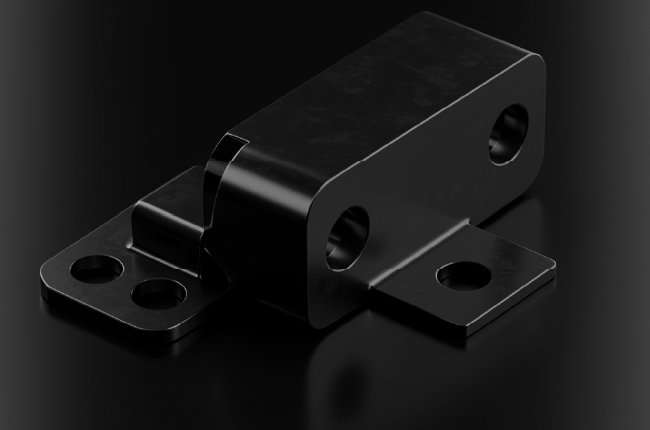
3. Black Zinc Plating
This variant offers a matte or glossy black appearance with strong corrosion resistance. Apart from its protective qualities, it’s often chosen for its aesthetic value in automotive, defense, and electronic applications.
4. Green, Iridescent, and Custom Finishes
In addition to standard finishes, zinc plating can also be customized to meet specific design and environmental requirements. Green or iridescent finishes, for instance, are used where unique identification or aesthetic differentiation is needed.
Applications Across Industries
Zinc plating is widely used across various industries. Here are some of its key applications:
Automotive: Protects bolts, nuts, brackets, and brake parts from rust, ensuring performance and safety.
Construction: Used for fasteners and fittings to prevent corrosion and strengthen long-term structural reliability.
Electronics: Shields connectors and terminals from oxidation, maintaining conductivity and performance.
Aerospace & Machinery: Prevents oxidation in high-precision parts, ensuring durability and consistent operation.
Advantages of Zinc Plating
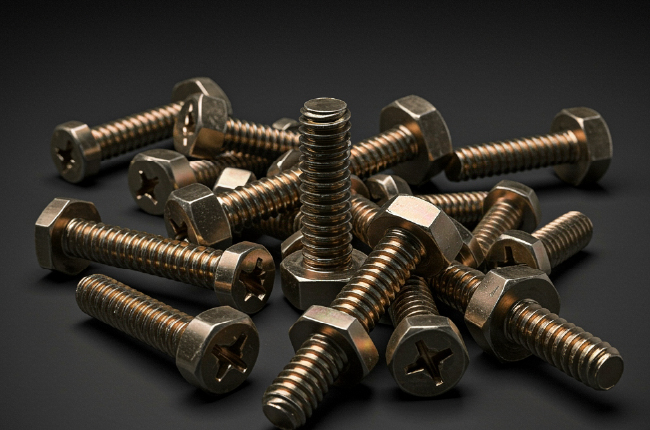
There are many benefits to zinc plating. It is cost-effective compared to other corrosion prevention methods. The coating enhances the appearance of metal parts, giving them a smooth, bright finish. Zinc plating is compatible with further coatings or paints, adding extra layers of protection if needed. Most importantly, it significantly extends the life of components, reducing replacement costs and downtime. Its combination of affordability, appearance, and durability makes it an ideal choice for many industries.
How Can It Be Maintained?
Zinc-plated parts are easy to maintain and require very little upkeep to stay effective. Regular cleaning with mild soap and water helps remove dust, dirt, or grease that can build up over time and dull the finish. Avoid using harsh chemicals or abrasive materials, as these can damage the protective zinc layer.
In most indoor or moderate environments, zinc plating can last for several years without visible corrosion. However, components exposed to moisture, salt air, or chemicals—such as those in marine or industrial settings—applying an additional protective coating or sealant can greatly extend their lifespan.
It’s also wise to inspect zinc-plated parts periodically for signs of wear or dullness. If the coating begins to fade or corrode, re-plating ensures continued protection and performance. With simple care and timely maintenance, zinc plating can significantly extend the life of metal components, keeping them strong, rust-free, and reliable for years.
Final Thoughts
Zinc plating is a simple yet highly effective way to protect metals from corrosion and wear. It combines chemical and physical protection, making it essential for automotive, industrial, and construction applications. By choosing the right finish and maintaining the plated parts, manufacturers and users can ensure long-lasting durability. When it comes to corrosion resistance and metal protection, zinc plating remains one of the most reliable solutions available today.