Why Tolerance Control Matters in Precision Engineering
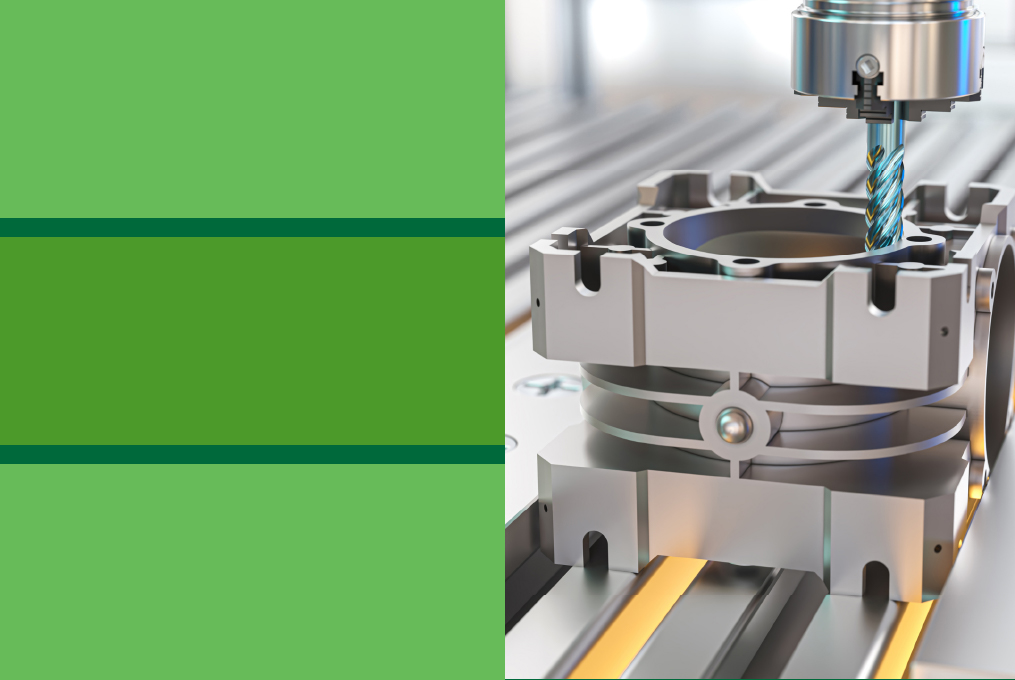
Accuracy shapes the backbone of modern manufacturing. Every tiny measurement decides how well a product performs. This is why Tolerance Control in Precision Engineering plays such a powerful role across industries today. Without strict control over dimensions, even the best designs can fail. From aerospace parts to medical devices, precision defines success. Manufacturers now demand tighter standards than ever before. Customer expectations continue to rise. Machines work at higher speeds. These factors make Tolerance Control in Precision Engineering more important than ever. It ensures that each part fits, functions, and performs exactly as planned.
Understanding Tolerance Control in Simple Terms
Tolerance refers to the allowed limit of variation in a dimension. No part can match a design size perfectly. Small variations always appear during production. Engineers allow a safe range for these changes.
When teams apply Tolerance Control in Precision Engineering, they manage these variations with discipline. They define acceptable limits. They select the right tools. They track every deviation. This approach prevents defects before they reach customers.
Poor tolerance planning creates loose assemblies, weak joints, and short product life. Strong control builds reliability and customer trust.
Why Dimensional Accuracy Drives Product Performance
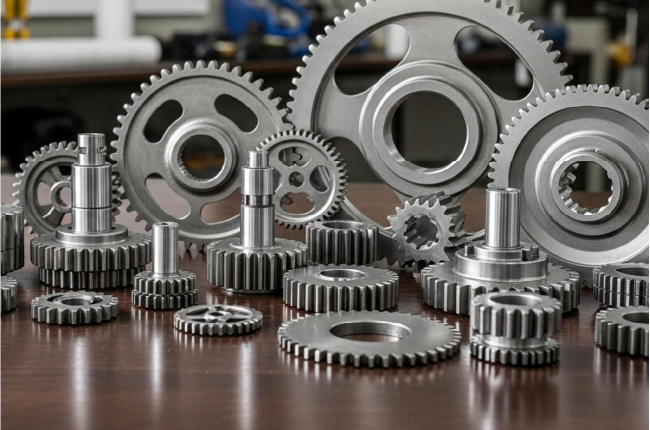
Product performance depends on how well parts fit together. Even a minor mismatch can affect motion, strength, or safety. This is where Dimensional Tolerances in Manufacturing become essential.
Tight tolerances ensure smooth movement in gears, shafts, and bearings. Loose tolerances can lead to vibration, noise, and wear. With correct tolerance planning, manufacturers improve both function and durability.
In Dimensional Tolerances in Manufacturing, engineers also balance cost and quality. Very tight limits raise machining time and tooling costs. Wide limits may cause rejections. Smart tolerance choices keep production efficient and reliable.
The Direct Impact on Quality Control
Quality control checks only what tolerance control allows. If limits lack clarity, inspections lose value. That is why Precision Engineering Quality Control depends heavily on strong tolerance rules.
Clear tolerance ranges help inspectors make fast and accurate decisions. They reduce confusion on the shop floor. They lower the chance of disputes between design and production teams.
Strong tolerance systems also help automate inspections. Machines can detect defects instantly. This boosts output and consistency. With solid Precision Engineering Quality Control, factories deliver dependable parts every time.
How Tolerance Control Reduces Waste and Rework
Scrap and rework drain profits. In many cases, poor tolerance control causes these losses. When parts fall outside limits, production teams must reject or remake them.
With structured Tolerance Control in Precision Engineering, teams prevent such errors. Engineers set realistic limits based on machine capability. Operators follow clear guidelines. Inspectors spot issues early. This chain cuts waste before it grows.
Lower waste improves profit margins. It also supports sustainability goals. Less scrap means less raw material loss and lower energy usage.
Supporting High-Speed and Automated Manufacturing
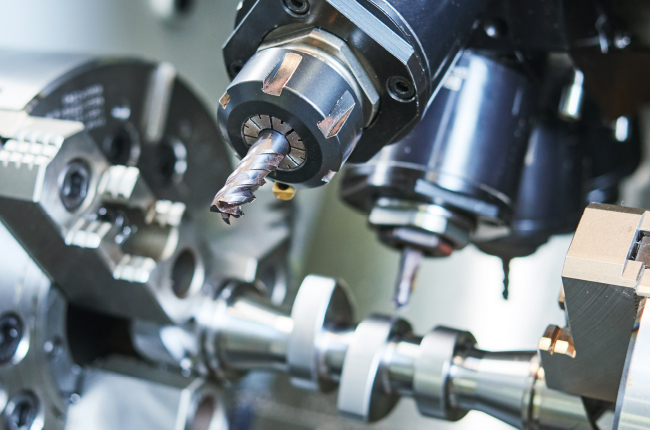
Modern factories run faster than ever. Automation now handles machining, measuring, and packing. These systems need precise numerical limits to work correctly.
Here again, Tolerance Control in Precision Engineering supports seamless automation. Machines use tolerance data to adjust speeds and cutting paths. Inspection systems reject faulty parts without delay.
When limits stay well-defined, automation boosts output without raising risk. When limits stay unclear, machines magnify every flaw.
Meeting Global Industry Standards with Confidence
Global markets demand strict compliance. Aerospace, automotive, and medical sectors follow international standards. These rules define how parts must perform and fit.
Through Tolerance Control in Precision Engineering, manufacturers meet ISO, ASME, and other global norms with confidence. Well-documented tolerance systems simplify audits and certifications. They also open doors to global buyers.
Companies that ignore tolerance planning often struggle during audits. Those who master it build a strong market reputation.
Improving Collaboration Between Design and Production
Designers often push for tight limits. Production teams aim for speed and cost control. Without coordination, conflicts arise.
Strong Tolerance Control in Precision Engineering aligns both sides. Designers set functional limits. Production teams review what machines can achieve. Together, they find the best balance between performance and efficiency.
This collaboration reduces delays and changes requests. It also speeds up time to market.
The Role of Skill and Technology
Advanced tools now support tolerance planning. CAD software, CNC machines, and digital inspection systems all rely on precise numeric inputs.
Yet human skill still leads the process. Engineers decide where tight control matters most. Operators monitor results. Inspectors verify outcomes. Tools only follow the rules people set.
This blend of skill and technology makes Tolerance Control in Precision Engineering a strategic advantage rather than a routine task.
Final Words
Manufacturing success now depends on how well companies manage accuracy. From product safety to cost control, every outcome links to tolerance discipline. Tolerance Control in Precision Engineering protects performance, quality, and reputation in a competitive market.
It reduces waste. It strengthens inspection systems. It supports automation. It also ensures global compliance. When teams treat tolerance control as a priority, they build products that last and brands that customers trust.
Tolerance Control in Precision Engineering no longer serves as an optional practice. It stands as a core pillar of precision manufacturing success.