Why 3D Prototyping is a Game Changer for Low-Volume Manufacturing
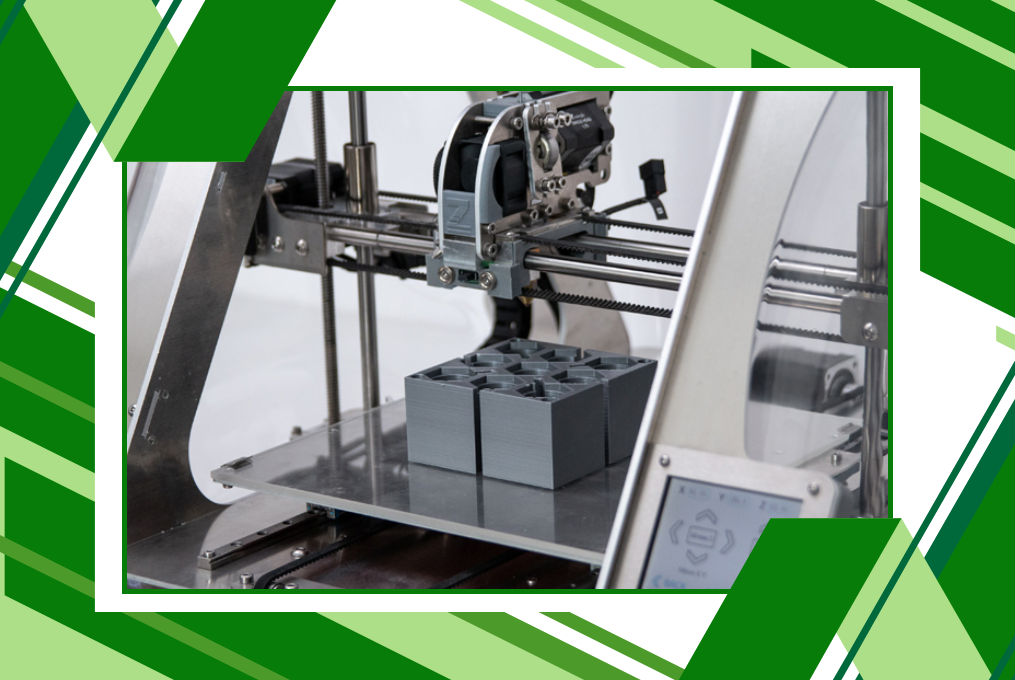
Businesses are constantly looking for ways to speed up production, reduce costs, and meet customer demands more efficiently. One method that has revolutionized low-volume manufacturing is 3D Prototyping. This technology, once seen as futuristic, has now become a game changer for companies worldwide. Let's explore why 3D Prototyping is such a valuable tool for low-volume manufacturing.
What is 3D Prototyping?
Before we discuss its benefits, let's quickly understand 3D Prototyping. Put, 3D Prototyping is the process of creating a physical model of a product using 3D printing technology. Unlike traditional manufacturing, which involves multiple steps and tools, 3D Prototyping allows you to create a product layer by layer, directly from a digital design.
This method is widely used in the automotive, healthcare, aerospace, and even fashion industries. It offers significant advantages for low-volume manufacturing, where businesses need to produce fewer units.
Speeding Up the Design Process
One of the most significant advantages of 3D Prototyping is speed. In traditional manufacturing, creating a prototype can take weeks or even months. You must design the product, make moulds, and then manufacture a test piece. If the prototype isn't correct, you need to go back and make changes, which takes even more time.
With 3D Prototyping, this process becomes much faster. Once you have a digital design, you can print a prototype in hours or days instead of weeks. This allows businesses to test their designs quickly and adjust without waiting for lengthy production processes.
This speed is a game changer for companies that need to get products to market quickly. It lets them stay ahead of competitors and respond to customer needs faster.
Reducing Costs
In traditional manufacturing, the cost of creating moulds, tooling, and setting up production lines can be high. For low-volume manufacturing, these costs can be a significant barrier. If a company only needs to produce a few products, the cost per unit becomes very high because of all the setup work involved.
3D Prototyping eliminates the need for moulds and tooling. You don't need to create custom tools for each product, saving much money on upfront costs. This makes it much more affordable for companies that only need to produce a small number of items.
Additionally, you save money on rework because you can test and refine your designs more quickly. You don't need to spend extra correcting mistakes or changing expensive moulds.
Flexibility in Design
Another significant benefit of 3D Prototyping is its flexibility. In traditional manufacturing, making changes to a design can take time and effort. Once you've created a mould, any changes require you to create a new mould, which takes time and money.
With 3D Prototyping, you can easily change your design at any stage. If you want to try a different material, change the shape, or adjust any details, you can do it quickly and easily. This flexibility is essential in low-volume manufacturing, where customization and small changes are often required to meet customer needs.
Businesses can also create multiple prototypes with different designs and test them simultaneously. This allows them to find the best solution without committing to a single design too early.
Supporting Innovation
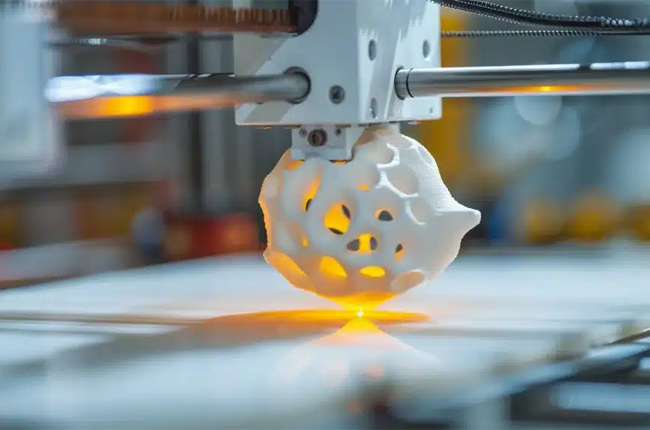
Innovation is critical to staying competitive in today's global market, and 3D Prototyping supports that. Because it allows for rapid testing and iteration, companies can try out new ideas without the risk of high costs or long production times.
For example, manufacturers can test different vehicle parts in the automotive industry, such as the dashboard, seats, or engine components, to see what works best. They can experiment with different materials, designs, and structures to find the most efficient and cost-effective solution.
Innovating quickly is essential for businesses in low-volume manufacturing, where they may need to produce custom or unique products. 3D Prototyping allows them to explore new possibilities and bring fresh ideas to life.
Lower Environmental Impact
In today's world, sustainability is a significant concern for many businesses and customers. Traditional manufacturing often involves a lot of waste, especially when creating prototypes. Extra materials are used, and many products are discarded if they don't meet design requirements.
3D Prototyping can help reduce this waste. Because the process builds the product layer by layer, there is very little excess material. If a prototype doesn't turn out the way you want, you don't need to throw away a lot of materials or parts. You can adjust the design and print a new version. This reduces material waste and energy use, making the process more environmentally friendly.
For businesses that prioritize sustainability, 3D Prototyping is a valuable tool for reducing their environmental footprint while still producing high-quality products.
Meeting Customer Demands
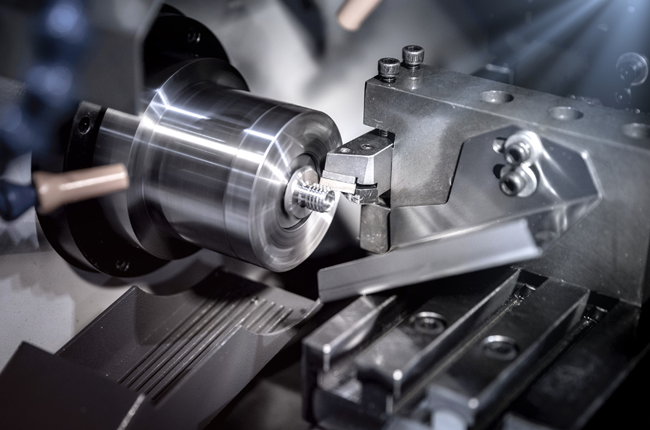
In low-volume manufacturing, businesses often need to meet specific customer demands. Whether it's a unique product design, a limited-edition run, or a customized order, 3D Prototyping allows companies to meet these needs quickly and efficiently.
Businesses can offer their customers more options and faster delivery times by providing a fast, flexible, and cost-effective way to create prototypes. This is particularly important in today's market, where customers expect quick turnaround times and personalized products.
Final Thoughts!
In low-volume manufacturing, businesses often need to meet specific customer demands. Whether it's a unique product design, a limited-edition run, or a customized order, 3D Prototyping allows companies to meet these needs quickly and efficiently.
Businesses can offer their customers more options and faster delivery times by providing a fast, flexible, and cost-effective way to create prototypes. This is particularly important in today's market, where customers expect quick turnaround times and personalized products.