What is Design for X (DFX)?

Creating a product isn’t just about building something that works; it’s about building something that works well in all aspects. That’s where “Design for X” or “DFX” comes in. But what exactly is DFX, and why is it so important in product design? Let’s break it down in a simple way.
Understanding the Basics of DFX
"Design for X" (DFX) is a term used in engineering and design that focuses on optimizing a product for different goals or requirements – represented by the “X.” The “X” in DFX could stand for various factors such as manufacturability, reliability, safety, cost, sustainability, and much more. Essentially, DFX helps designers create products that are not only functional but also meet specific standards or requirements based on the purpose or environment of the product.
Think of DFX as a toolkit for designers and engineers. It provides a way to make sure the product will work well in real-world conditions and meet specific needs or constraints. For example, if a company wants to create a product that’s easy to recycle, they would use a method called “Design for Environment” (DFE) to make sure the product is eco-friendly.
Why is DFX Important?
With technology advancing so rapidly, companies must consider many factors when designing products. A well-designed product needs to satisfy customers and be easy to manufacture, assemble, transport, and maintain. Here’s where DFX plays a crucial role. By applying DFX principles, companies can reduce costs, improve efficiency, and even enhance product performance.
DFX helps companies identify potential problems early in the design stage. For example, a product that isn’t designed for easy maintenance may end up being costly and inconvenient for customers, leading to dissatisfaction. However, if “Design for Maintainability” is considered early, the final product will be much easier to repair, giving it a longer life and happier customers.
The Common Types of DFX
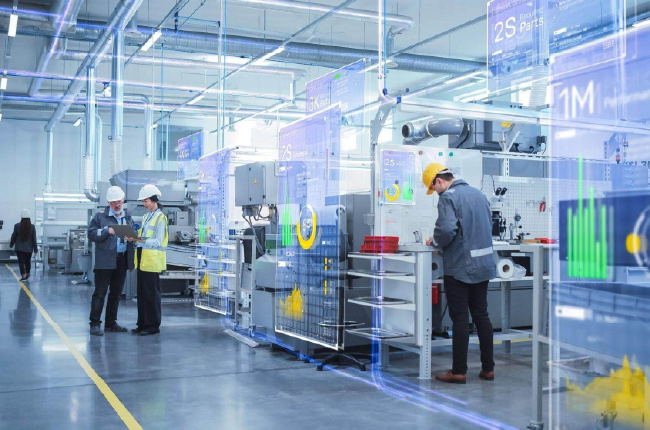
There are several specific “X” factors in DFX, each focusing on a different design goal. Let’s look at some of the most common ones:
1. Design for Manufacturability (DFM)
This is one of the most popular DFX methods. “Design for Manufacturability” (DFM) ensures that a product is easy to manufacture without unnecessary complexity or costs. For instance, if a product is designed with fewer parts, it may be easier and cheaper to produce. DFM helps reduce production time, materials, and even the likelihood of errors during assembly.
2. Design for Assembly (DFA)
Like DFM, “Design for Assembly” (DFA) focuses on making the assembly process as simple as possible. Products designed with DFA principles are easy to put together, reducing labor costs and assembly time. It’s about minimizing the number of parts and ensuring each piece fits together logically and securely.
3. Design for Reliability (DFR)
“Design for Reliability” (DFR) ensures that a product is built to last. This means designing it to perform consistently over time and under various conditions. Reliability is especially important for industries like aerospace or medical devices, where product failures can have serious consequences. DFR helps identify weak points in the design that might lead to breakdowns, making the product more dependable.
4. Design for Safety (DFS)
Safety is a top priority for many products, especially those that will be used by people or in high-risk environments. “Design for Safety” (DFS) means making sure the product won’t pose any hazards to users or the environment. This includes following regulations and using materials and designs that minimize risk.
5. Design for Environment (DFE)
As the world becomes more environmentally conscious, companies are looking for ways to make their products eco-friendly. “Design for Environment” (DFE) involves designing products with their environmental impact in mind. This includes using sustainable materials, designing for easy recycling, and reducing waste during production.
6. Design for Cost (DFC)
In today’s competitive market, controlling costs is essential. “Design for Cost” (DFC) focuses on creating products that meet budget constraints without compromising quality. DFC helps companies use cost-effective materials, streamline processes, and optimize production so they can offer products at competitive prices.
How DFX Adds Value to Products

When companies use DFX principles, they create products that offer better value to customers. Products become more affordable, safer, durable, and easier to use or maintain. For example, a smartphone designed with DFX principles may last longer, have fewer breakdowns, and be easier to repair – all of which enhance the user experience and reduce the product’s environmental footprint.
Moreover, DFX often leads to faster production times and lower costs for companies, giving them a competitive edge. Products that are designed with DFX are often easier to scale, which means they can be produced in large volumes more efficiently. This not only helps companies save money but also ensures that products reach customers faster.
DFX in Action
Imagine a car manufacturer working on a new electric vehicle. By applying DFX, the design team could focus on several factors:
Design for Assembly: The car parts are designed to fit together seamlessly, reducing assembly time and labor costs.
Design for Reliability: The vehicle’s components are tested to perform under various weather conditions, ensuring durability.
Design for Safety: Safety features are integrated into the design to protect passengers in case of an accident.
Design for Environment: The materials used are eco-friendly, and the design is recyclable, reducing the vehicle’s impact on the environment.
By considering each of these factors, the car manufacturer creates a product that is efficient, reliable, and appealing to environmentally conscious customers.
Wrapping Up
Design for X (DFX) is an approach that helps designers and companies create products that are not only functional but also optimized for various needs like manufacturability, safety, reliability, and cost. By applying DFX, companies can build products that meet customer needs, improve efficiency, and stay competitive in the market.
As the demand for smarter, safer, and greener products grows, DFX will continue to be a valuable tool in the product development process. Whether you’re in the tech, automotive, medical, or consumer goods industry, DFX can help make your products stand out, delivering value to both your company and your customers.