What Does a Metal Fabricator Do
If you've ever looked at a car, a building, or even a kitchen appliance, you've probably seen the work of a metal fabricator without even knowing it. Metal fabricators are the people behind the scenes, turning sheets of metal into everything from small parts to large structures. But what exactly do they do? Let’s break it down in simple terms.
The Basics: Shaping Metal
At its core, metal fabrication is all about taking raw pieces of metal and shaping them into something useful. Think of it like this: you have a block of clay, and you mold it into a bowl, vase, or whatever you need. A metal fabricator does something similar but with metal instead of clay. They take different types of metal, like steel or aluminum, and use various tools and machines to cut, bend, and assemble it into a final product.
What Tools and Machines Do They Use?
Metal fabricators don’t work with just a hammer and nails. They have access to a range of advanced tools and machines that help them shape metal with precision. Here are a few examples:
Cutting Tools: Metal fabricators use machines like lasers, plasma cutters, or saws to cut metal into the desired shape. These tools allow them to make very detailed cuts that are sometimes impossible to do by hand.
Bending Machines: Once the metal is cut, it often needs to be bent into the right shape. Metal fabricators use press brakes or other bending machines to do this.
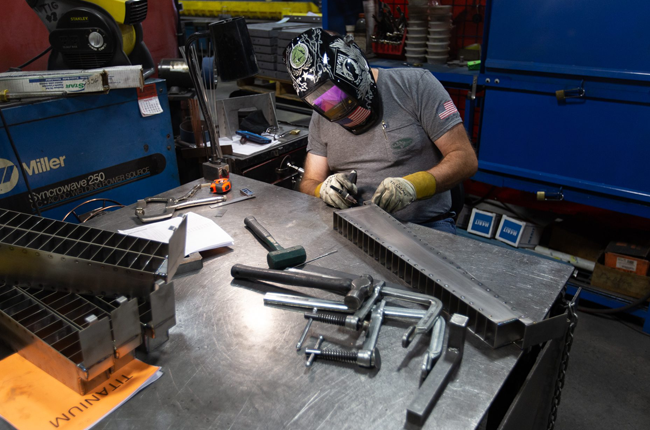
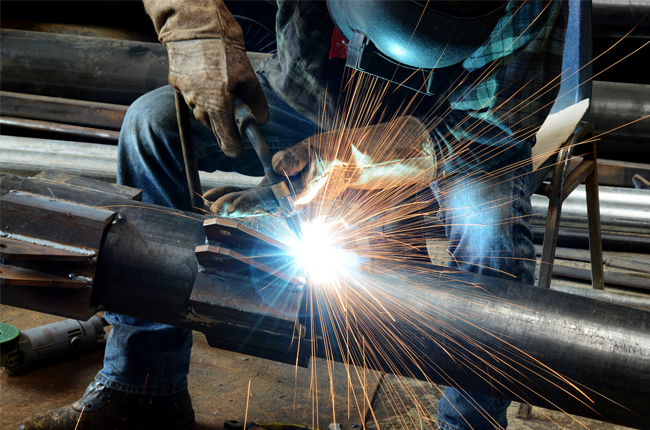
Welding Equipment: Welding is a crucial part of metal fabrication. Metal fabricators often weld pieces of metal together to create larger structures or products.
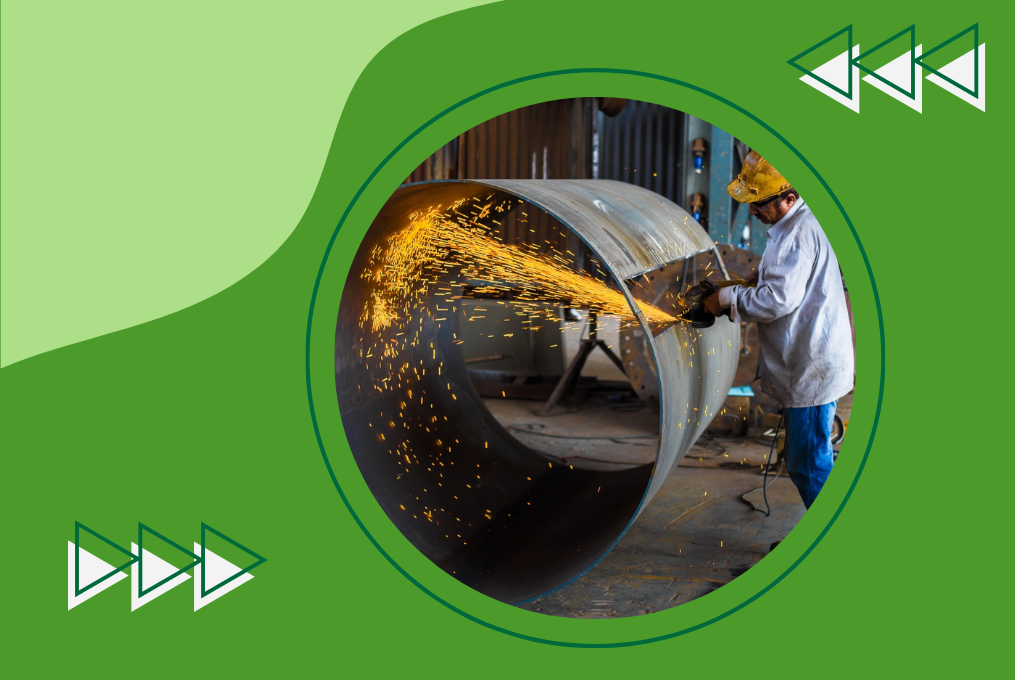
Finishing Tools: After shaping and assembling the metal, the product usually needs a bit of finishing to make it look nice and smooth. This can involve grinding down rough edges or polishing the surface.
What Kind of Projects Do Metal Fabricators Work On?
The world of metal fabrication is huge. Metal fabricators can work on anything from small, detailed parts for electronics to large, heavy-duty structures like bridges or buildings. Let’s look at some common areas where metal fabricators work.
Construction: Metal fabricators play a big role in building skyscrapers, bridges, and other structures. They create metal frameworks, beams, and supports that help keep these structures standing strong.
Automotive: Cars, trucks, and even airplanes wouldn’t exist without metal fabricators. They create parts for vehicles, including everything from the body of the car to the small components inside the engine.
Manufacturing: Many products we use every day, like refrigerators, washing machines, and even kitchen appliances, involve metal parts that metal fabricators produce.
Art and Design: Metal fabricators sometimes work on creative projects too. Sculptures, metal furniture, or custom metal designs for homes and offices often rely on the skills of a fabricator.
How Does Someone Become a Metal Fabricator?
Metal fabrication is a skilled trade, meaning it takes time, practice, and training to become good at it. Many metal fabricators start by attending a technical school or college where they learn about the different tools, materials, and techniques involved. After that, they often start as apprentices, working under more experienced fabricators to build up their skills on real-world projects.
It's a hands-on job, so the more someone practices, the better they become. Over time, a skilled metal fabricator can take on more complex projects and even specialize in certain types of work, such as welding or working with specific metals like stainless steel or titanium.
Why Is Metal Fabrication Important?
Without metal fabricators, many of the things we rely on daily wouldn’t exist. Buildings wouldn’t be as strong, cars wouldn’t be as safe, and we wouldn’t have many of the tools and machines that make life easier. Metal fabrication touches almost every industry, from construction to healthcare, and it’s an essential part of the modern world.
But beyond just making things, metal fabricators also play a key role in innovation. As new technologies and industries emerge, metal fabricators help bring those ideas to life. For example, in renewable energy, metal fabricators are needed to create parts for wind turbines and solar panels. In aerospace, they help design lightweight yet strong components for aircraft.
What Skills Does a Good Metal Fabricator Need?
Being a metal fabricator isn’t just about working with machines. It requires a mix of technical skills, problem-solving abilities, and creativity. Some important skills include:
Attention to Detail: Metal fabrication involves working with tight tolerances, meaning even small mistakes can cause big problems down the line. A good fabricator needs to be precise and careful in their work.
Problem-Solving: Sometimes, things don’t go as planned. Maybe the metal doesn’t bend the way it’s supposed to, or a part doesn’t fit quite right. A fabricator needs to think on their feet and come up with creative solutions to these challenges.
Physical Strength and Stamina: Metal fabrication can be physically demanding. It involves lifting heavy materials and standing for long periods, so being in good physical shape is helpful.
Math Skills: While it might not seem obvious, math is a big part of metal fabrication. Fabricators need to be able to read blueprints and use measurements to make sure everything is the right size and shape.
Wrapping Up!
In a nutshell, a metal fabricator is someone who takes raw metal and turns it into something useful, whether that’s a part of a car, a piece of art, or the frame of a building. They use a mix of tools, machines, and creativity to make this happen. Metal fabricators are behind so many of the things we see and use every day, making their work essential to the world around us.