Understanding Total Productive Maintenance (TPM) for Manufacturing Efficiency
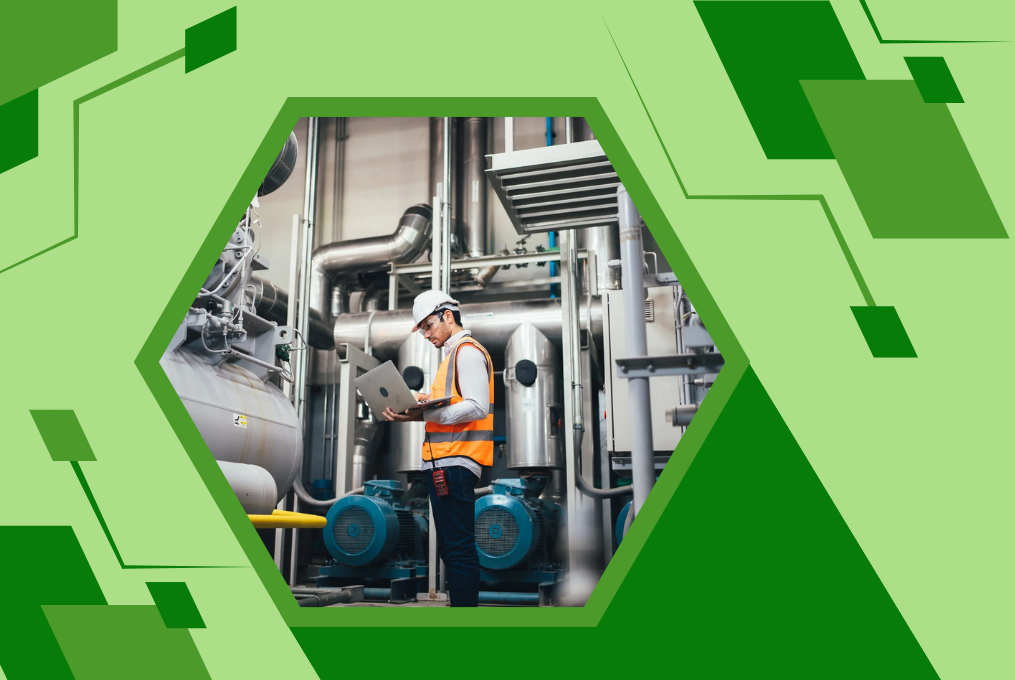
Running a factory smoothly requires not only having the best machines but also keeping them reliable, safe, and productive every single day. When equipment breaks down unexpectedly, it leads to delays, wasted resources, and unnecessary stress on workers. That’s why many manufacturers turn to Total Productive Maintenance (TPM). It’s an approach that brings together people and processes to keep equipment in top condition, while also improving productivity and teamwork. This blog highlights what Total Productive Maintenance (TPM) means, why it matters, and the key benefits it can bring to modern manufacturing.
What is Total Productive Maintenance (TPM)?
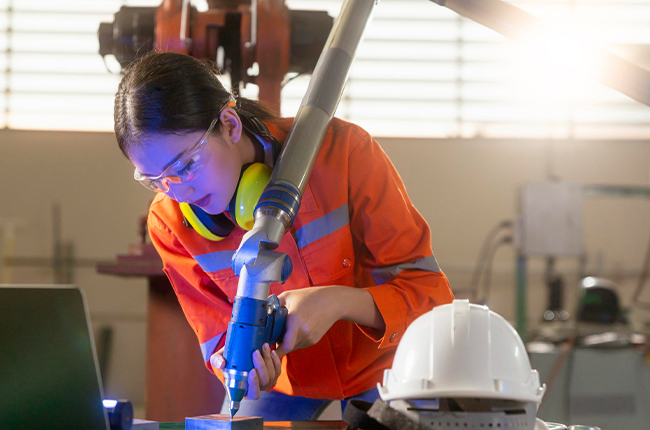
Total Productive Maintenance (TPM) is a system that focuses on maximizing equipment effectiveness through proactive care. Unlike traditional maintenance, where machines are fixed only after they break, TPM encourages operators and technicians to work together to prevent breakdowns before they happen.
This approach goes beyond just fixing machines. It builds discipline, teamwork, and accountability across every level of the organization. The result is not just better machines but smoother operations and higher output.
Why TPM Matters in Modern Manufacturing
Companies that adopt Total Productive Maintenance (TPM) see major improvements in reliability and cost savings. When downtime decreases, production speed increases, directly improving manufacturing efficiency.
By involving all employees in equipment care, TPM reduces waste, supports continuous improvement, and aligns closely with the principles of lean manufacturing. It ensures that resources are used effectively, and processes remain streamlined.
Core Pillars of TPM
Eight core pillars form the foundation of Total Productive Maintenance (TPM):
Autonomous Maintenance – Operators take responsibility for basic machine upkeep.
Planned Maintenance – Scheduled actions prevent unexpected breakdowns.
Quality Maintenance – Focus on preventing defects by monitoring equipment performance.
Focused Improvement – Cross-functional teams solve recurring issues.
Training and Education – Building skills for operators and technicians.
Safety, Health, and Environment – Ensuring safe, sustainable operations.
Early Equipment Management – Designing machines with maintenance in mind.
Administrative and Support Maintenance – Extending TPM practices to all departments.
These pillars highlight that Total Productive Maintenance (TPM) is not just a technical tool but a culture that blends people, processes, and equipment.
Benefits of Implementing TPM
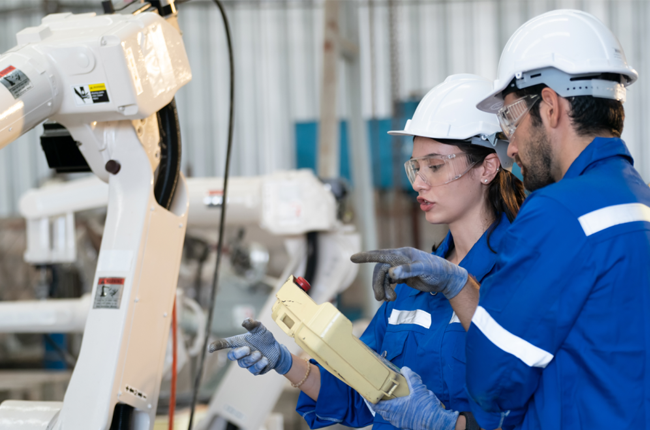
Adopting Total Productive Maintenance (TPM) can bring multiple benefits:
Reduced Unplanned Downtime
By detecting issues early, TPM helps prevent unexpected machine failures. This keeps production schedules on track and minimizes costly delays.Longer Equipment Lifespan
Regular maintenance ensures machines operate smoothly for years. Companies save money by reducing the need for frequent replacements.Better Quality Output
Consistent equipment performance leads to fewer defects. This results in products that meet customer expectations and build brand trust.Higher Employee Engagement
Involving operators in equipment care increases responsibility and pride. Workers feel more connected to overall production success.Improved Workplace Safety
Well-maintained machines reduce the risk of accidents. TPM fosters a safer environment for everyone on the factory floor.
When aligned with manufacturing efficiency goals, TPM creates an environment where machines and people perform at their best. This integration also supports lean manufacturing, ensuring cost savings and better resource use.
Final Words
Adopting Total Productive Maintenance (TPM) is not just about fixing machines; it’s about building a reliable, productive, and safe workplace. When every employee takes ownership of equipment care, businesses see stronger performance, fewer disruptions, and higher quality results. With its alignment to manufacturing efficiency and connection to lean manufacturing principles, TPM stands as a powerful system for achieving sustainable growth. Companies that invest in TPM today lay the foundation for greater productivity and competitiveness tomorrow.