Understanding the Importance of Sheet Metal in Various Industries
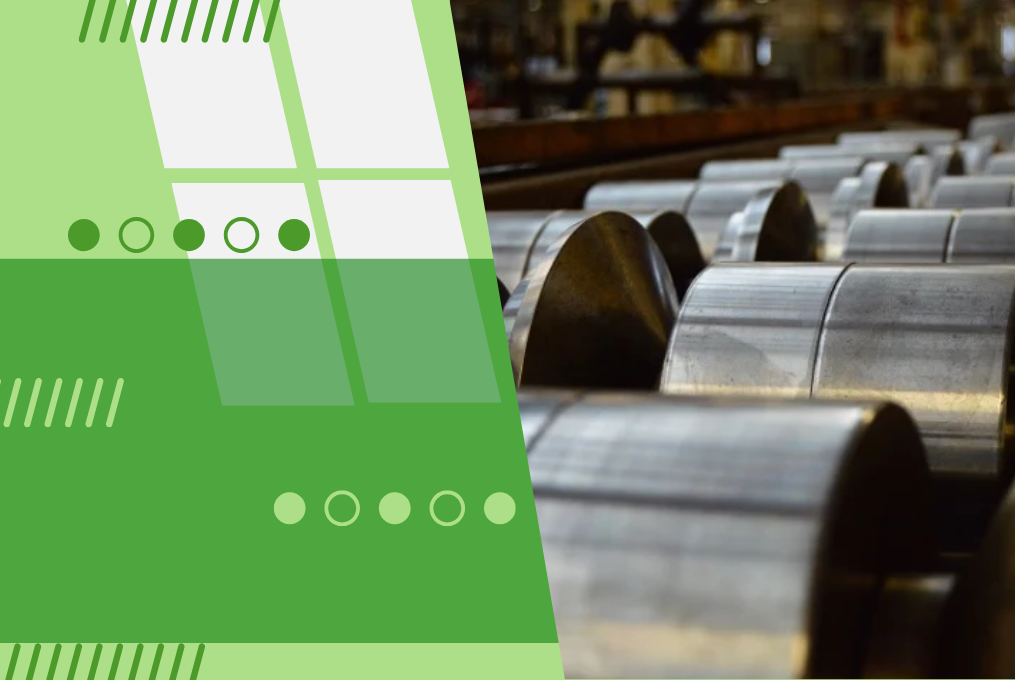
Sheet metal is versatile in many industries due to its strength, durability, and flexibility. In the automotive industry, it forms the body and chassis of vehicles. Construction relies on it for roofing and ductwork. The aerospace sector uses it for aircraft parts, while electronics manufacturers create protective casings and heat sinks. Medical equipment, home appliances, and energy systems like wind turbines and solar panels depend on sheet metal. This wide range of applications highlights the importance of sheet metal in creating reliable, efficient, and long-lasting products across various fields.
Why is Sheet Metal Important?
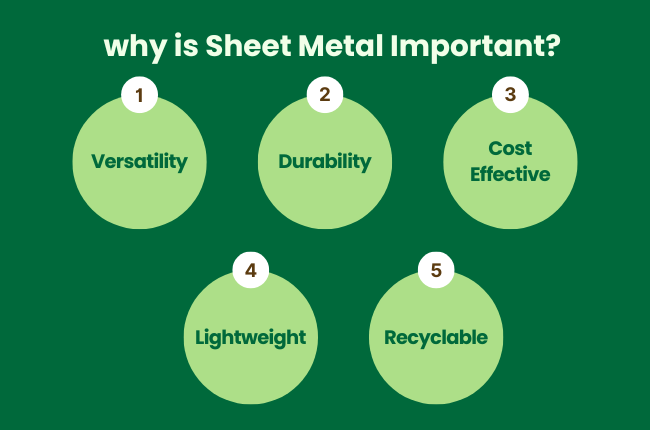
Sheet metal is essential for several reasons:
Versatility: Sheet metal can be used in many ways. It can be cut, bent, and shaped into almost any form, making it useful for a wide range of applications.
Durability: Sheet metal is solid and durable. It can withstand a lot of wear and tear, making it ideal for products that need to last a long time.
Cost-Effective: Producing sheet metal is relatively inexpensive compared to other materials, making it a cost-effective option for many industries.
Lightweight: Despite being strong, sheet metal is also lightweight, making it easy to handle and transport.
Recyclable: Sheet metal is environmentally friendly because it can be recycled. This helps reduce waste and conserve resources.
Uses of Sheet Metal in Different Industries
Automotive Industry
The automotive industry relies heavily on sheet metal. Cars and trucks are often made from sheet metal because they are strong, durable, and lightweight. The body panels, chassis, and other parts of a vehicle are often made from sheet metal, which helps make vehicles safe, reliable, and fuel-efficient.
Construction Industry
In the construction industry, sheet metal is used for roofing, siding, and other building materials. It is strong, weather-resistant, and easy to work with. Sheet metal is also used to make heating and cooling ducts, gutters, and downspouts, which are important for maintaining comfortable and safe buildings.
Aerospace Industry
The aerospace industry uses sheet metal to make parts for airplanes and spacecraft. Its lightweight and durable nature makes it ideal for this industry. Parts such as wings, fuselages, and engine components are often made from sheet metal, which helps ensure that aircraft are safe and efficient.
Electronics Industry
Sheet metal is used in the electronics industry to make device enclosures and cases. It protects sensitive electronic components from damage. Sheet metal is also used to make heat sinks, which help cool electronic devices. This is important for preventing overheating and ensuring devices work correctly.
Medical Industry
In the medical industry, sheet metal makes equipment and devices. It is robust, easy to clean, and sterilized. Items like surgical instruments, hospital beds, and medical carts are often made from sheet metal, which helps ensure that medical facilities have reliable and safe equipment.
Home Appliances
Sheet metal is used to make many home appliances. Items such as refrigerators, ovens, and washing machines often have parts made from sheet metal. It is used because it is durable, easy to clean, and looks good. This helps make home appliances reliable and long-lasting.
Energy Industry
In the energy industry, sheet metal is used to make parts for wind turbines, solar panels, and other energy systems. It is strong and can withstand harsh weather conditions, helping ensure that energy systems are reliable and efficient.
Conclusion
Sheet metal is a vital material used in many industries. Its versatility, durability, cost-effectiveness, and recyclability make it an ideal choice for many applications. From cars and airplanes to buildings and electronics, sheet metal plays a crucial role in our everyday lives.
Understanding the importance of sheet metal helps us appreciate the many products and systems we rely on daily.