Top Challenges in Metal Forming and Solution to that

Metal forming is one of the most important processes in manufacturing. It transforms raw metal sheets into useful components through operations like bending, stretching, stamping, and drawing. From cars and aircraft to appliances and construction tools, metal forming plays a key role in producing strong and precise products. However, just like any industrial process, metal forming comes with challenges. These challenges can affect product quality, cost, and efficiency. The good news? With modern technology and expert engineering, these problems can be solved effectively. In this blog, we’ll look at the top challenges in metal forming and the best solutions that help industries maintain consistency, quality, and productivity.
1. Material Defects in Metal Forming
One of the most common challenges in metal forming is material defects. Metals may have impurities, uneven thickness, or poor grain structure, which lead to cracks, wrinkles, or surface defects during forming.
Solution: Choose High-Quality Raw Materials
To avoid these problems, it’s important to use high-quality metals that meet industry standards. Performing pre-forming inspections and material testing ensures uniformity and helps detect any issues early. Many advanced manufacturers also use simulation software to test material behavior before actual forming.
This not only saves material waste but also improves the accuracy and consistency of the final product.
2. Springback Problem in Metal Forming
Springback happens when the metal tries to return to its original shape after bending or forming. This is one of the biggest metal forming challenges, especially in precision industries like automotive and aerospace.
Solution: Use Proper Tool Design and Material Control
To control springback, engineers use accurate tooling designs and compensated bending angles. Adjusting forming forces, using advanced materials, and applying heat treatment can also help reduce springback.
Modern forming simulations and CNC-controlled machines ensure better control, allowing consistent and repeatable results.
3. Tool Wear and Die Failure
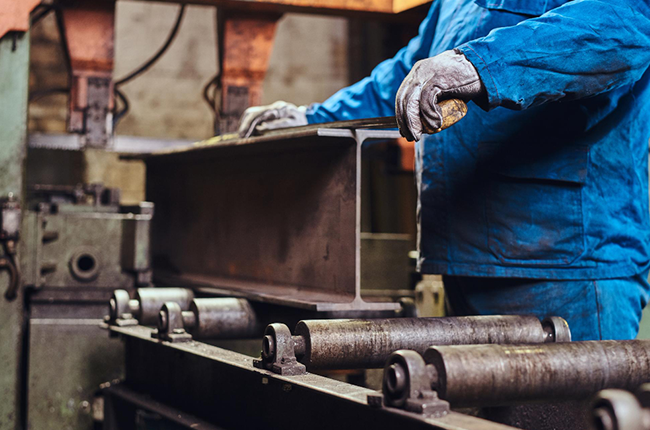
In metal forming, the tools and dies face continuous stress and friction. Over time, this leads to tool wear, cracks, or deformation, which affect product accuracy and surface finish.
Solution: Use High-Strength Tooling Materials
The best way to prevent tool failure is by using wear-resistant materials for dies and tools. Applying protective coatings such as titanium nitride (TiN) or chrome plating can also extend tool life.
Regular maintenance, inspection, and reconditioning of tools are crucial. Investing in high-quality tooling may seem expensive initially, but it saves a lot of time and money in the long run.
4. Inconsistent Product Dimensions
Achieving uniform dimensions is a major challenge in metal forming. Small variations in machine settings, temperature, or material thickness can lead to inaccurate dimensions, affecting product performance.
Solution: Precision Control and Automation
Using CNC and robotic metal forming systems ensures better precision and consistency. These systems can monitor pressure, speed, and position in real time, reducing human error.
Additionally, data analytics and digital monitoring help manufacturers detect deviations quickly, allowing them to maintain consistent quality in every batch.
5. High Production Costs
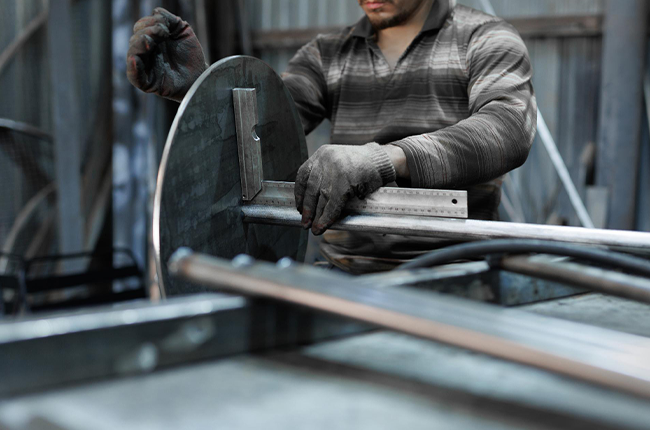
Metal forming involves heavy machinery, skilled labor, and energy consumption. These factors can increase production costs, especially for small or custom production runs.
Solution: Optimize Processes with Automation
Using automated metal forming systems reduces labor costs and boosts efficiency. Computer-controlled systems also minimize waste and rework.
Another effective solution is processing optimization — identifying unnecessary steps and using the latest forming techniques like hydroforming or progressive die forming. These methods can reduce cycle time and improve cost-efficiency without compromising quality.
6. Complex Part Design
Today’s industries require lightweight and complex metal components, which are often difficult to form without defects. These complex shapes can lead to tearing, thinning, or uneven stretching of the metal sheet.
Solution: Advanced Simulation and Design Support
Before starting the forming process, using 3D modeling and simulation tools helps predict how the metal will behave. Engineers can modify the design or adjust parameters to ensure smooth forming.
Using the right forming technique (deep drawing, roll forming, or stamping) also makes it easier to achieve complex shapes with minimal defects.
7. Surface Finish and Appearance Issues
In many industries, especially automotive, aerospace, and consumer products, surface appearance is as important as strength. Scratches, dents, or rough surfaces can reduce the visual appeal and quality of the product.
Solution: Proper Handling and Finishing Techniques
Using smooth dies, maintaining proper lubrication, and ensuring clean working environments can help maintain the surface finish. After forming, additional finishing processes like polishing or coating can further enhance appearance and corrosion resistance.
8. Limited Skilled Workforce
As metal forming becomes more advanced with CNC machines and automation, industries face a shortage of skilled workers who understand these technologies.
Solution: Training and Skill Development
Companies can overcome this by training their workforce in modern forming tools and software. Partnering with experienced fabrication companies like VmakeU can also help, as they bring technical expertise, advanced equipment, and years of practical experience to every project.
Conclusion: Building a Strong Future in Metal Forming
Metal forming challenges are part of every manufacturing process — but they’re not roadblocks. With the right combination of technology, skilled engineering, and quality control, industries can overcome these issues and achieve exceptional results.
From material selection to automation, every step matters in producing high-quality, reliable, and cost-effective metal components.