Things to consider for efficient and successful spare parts management

Managing spare parts can feel like juggling too many balls at once. You need the right parts, in the right quantity, at the right time, and in the right place. Without proper management, it’s easy to lose track of inventory, face delays in repairs, or even see costs rise unnecessarily. Whether you're in manufacturing, transportation, or any other industry, getting spare parts management right can significantly impact your operations. If you're looking for ways to improve how you handle spare parts, here are some important things to consider ensuring efficiency and success.
Organize Your Inventory Properly
First and foremost, how you organize your inventory is crucial. You need a clear system in place to track your parts, know what you have on hand, and where it’s located. Using an effective inventory management system helps avoid confusion, errors, and delays.
For example, categorize parts based on their usage frequency or criticality. High-use parts might need to be stored closer for easy access, while less frequently used items can be kept further away. Labeling and barcoding parts can also help in quick identification and retrieval.
Forecast Demand Accurately
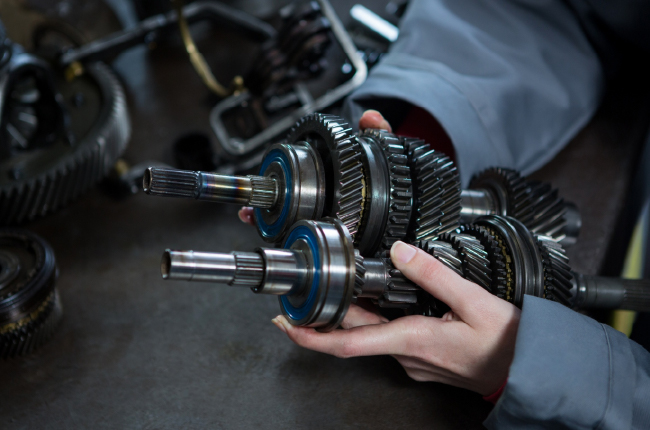
Understanding your spare parts needs helps you avoid two big problems: running out of critical parts or having too many unnecessary ones. Both can cause issues—downtime if you’re short on parts or wasted space and money if you overstock.
To forecast demand effectively, study historical data, seasonality, and usage patterns. Ask yourself questions like: How often do these parts need replacement? Are there any upcoming projects or maintenance schedules that require specific parts? Regularly reviewing and adjusting your forecasts can keep your stock in balance.
Establish Strong Supplier Relationships
A good relationship with your suppliers can be a game-changer for spare parts management. When you have reliable suppliers, you can ensure faster delivery times, better pricing, and support when there’s an urgent need for parts.
Work with suppliers who understand your business and are flexible enough to meet your requirements. Consider establishing long-term partnerships or contracts with them to ensure a steady supply of parts and potentially negotiate better deals.
Prioritize Critical Spare Parts
Not all spare parts are created equal. Some are essential to keeping operations running, while others might not be as urgent. Identify your critical parts—the ones that, if unavailable, would cause significant downtime or operational failure.
Once you know which parts are most important, ensure they’re always available. This might mean keeping extra stock or arranging for quick deliveries when needed. Being proactive with critical parts can save you from headaches later.
Use Technology to Your Advantage
There are many digital tools available today that can help you manage your spare parts more efficiently. From inventory management software to asset tracking systems, technology can give you real-time visibility into your stock levels, order statuses, and more.
Automation can also reduce the risk of human error. For example, you can set up automatic reorder points for certain parts, ensuring you never run out. Some systems even predict when a part will need to be replaced based on usage and wear patterns, allowing you to plan.
Set Clear Maintenance Schedules
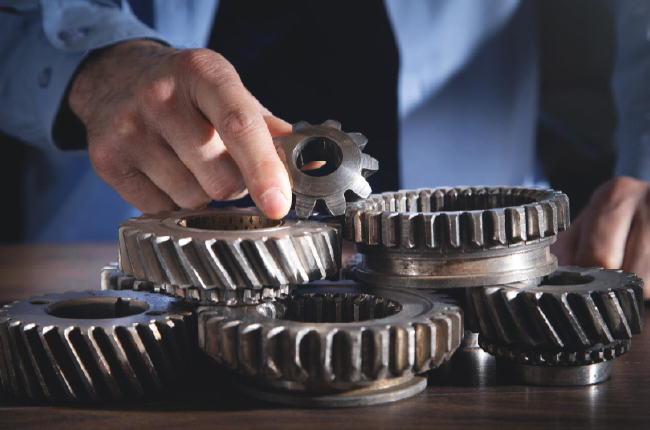
Having a clear maintenance schedule plays a big role in spare parts management. When you know when certain machines or equipment will need servicing, you can prepare by having the necessary parts ready. This avoids last-minute scrambles and ensures smooth operations.
Work closely with your maintenance team to align your spare parts stock with maintenance activities. Preventive maintenance, where issues are addressed before they become big problems, can also help reduce the need for emergency repairs and minimize downtime.
Control Your Costs
Managing costs is a key aspect of successful spare parts management. While it’s tempting to keep a lot of spare parts in stock “just in case,” doing so can lead to wasted resources and higher costs. Balance is key.
To control costs, monitor your inventory regularly and adjust based on actual needs. Avoid overstocking or holding onto obsolete parts. Selling or recycling unused parts is another way to free up space and funds.
Monitor Your Performance
Lastly, it’s important to track and review how well your spare parts management system is working. Are you experiencing stockouts? Are parts being wasted or left unused for too long? Monitoring key performance indicators (KPIs) like lead times, stock accuracy, and part turnover can highlight areas for improvement.
Regular audits and performance reviews can help ensure your spare parts management process stays on track and meets your business needs.
Final Thoughts!
Efficient spare parts management isn’t just about having enough parts on hand. It’s about having the right parts at the right time while controlling costs and maintaining smooth operations. By organizing your inventory, forecasting demand, building strong supplier relationships, and using technology to your advantage, you can create a system that not only reduces downtime but also improves overall efficiency.
Remember, spare parts management is an ongoing process. Regular reviews, updates, and adjustments are necessary to ensure continued success. So, take the time to assess your current practices and see where improvements can be made. With the right approach, managing spare parts can become less of a challenge and more of a strategic advantage for your business.