The Role of Failure Analysis in Preventing Product Design Flaws

Have you ever wondered why some products fail soon after they hit the market, while others last for years without any problem? The secret often lies in a process called Failure Analysis in Preventing Product Design Flaws. This process helps engineers and designers understand what went wrong and how to fix it before the product goes into mass production. In simple terms, failure analysis is like being a detective. When a product doesn’t work as expected or breaks down, experts investigate the reasons behind it. By finding out the root causes, they help prevent the same mistakes from happening again. In today’s competitive market, where customers expect high quality and reliability, skipping this step can be very costly.
Why Is Failure Analysis Important?
Imagine you design a new smartphone, and after just a few weeks of sale, customers start complaining that the battery overheats. Suddenly, your brand’s reputation is at risk, and you face huge costs in recalls or repairs. This is where Failure Analysis in Preventing Product Design Flaws plays a major role.
By studying past failures or testing prototypes, engineers can catch weak points in the design early. This way, instead of fixing problems after the product is already in customers' hands, they solve them during the design phase. This saves time, money, and a lot of headaches.
How Does Failure Analysis Work?

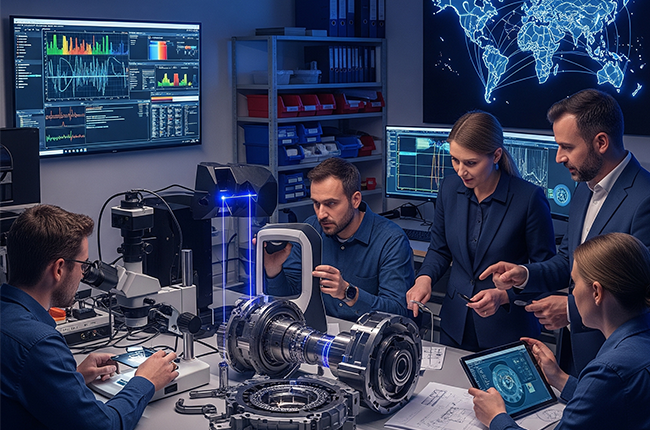
The process is quite methodical. First, experts collect information about the failure. They look at the product’s materials, design drawings, usage conditions, and manufacturing steps. Then, they perform tests to reproduce the failure in a controlled environment.
For example, if a car part keeps breaking, failure analysts might simulate real-world driving conditions in the lab to see when and why it fails. They could use techniques like microscopic examination, chemical analysis, or stress testing to dig deeper into the problem.
Once they find the root cause, they suggest design changes or material improvements. The goal is to make the product stronger, safer, and more reliable before it reaches customers.
Common Types of Product Design Flaws Caught by Failure Analysis
There are several common issues that failure analysis helps prevent:
Material Defects: Sometimes, the wrong material is chosen, or the material itself has hidden flaws. Failure analysis can spot these issues early.
Manufacturing Errors: A design might look good on paper but could be difficult to produce properly. Failure analysis highlights areas where the production process needs improvement.
Design Oversights: Certain parts of the product may not withstand real-world usage, especially under stress or extreme conditions. Failure analysis reveals these weak points.
Assembly Problems: Poor assembly instructions or unclear design for assembly can lead to product failure. This is another key area where failure analysis provides value.
By identifying these flaws before the product hits the market, companies can ensure better quality and performance.
Why Global Companies Need Failure Analysis
No matter where you are in the world, customers expect products to work well and last long. A product design flaw that goes unnoticed in one market can lead to global recalls or damage the company’s reputation internationally.
For companies that sell products across different countries, failure analysis is even more critical. Different environments—whether it’s extreme heat, humidity, or cold—can expose design weaknesses that wouldn’t appear in a controlled setting. Failure analysts test products under various conditions to make sure they perform reliably everywhere.
This makes Failure Analysis in Preventing Product Design Flaws not just an option, but a necessity for companies competing in a global market.
Wrapping Up
In the fast-moving world of product development, mistakes can be expensive. That’s why Failure Analysis in Preventing Product Design Flaws is such a powerful tool. It helps companies act like detectives finding hidden problems before they become public disasters.
By thoroughly examining every component, material, and design choice, failure analysis allows engineers to make smarter decisions. This not only improves the quality of the product but also boosts customer trust and business success.
Next time you use a product that works perfectly, remember there’s a good chance failure analysis played a role in making it that way. Whether it’s electronics, automobiles, medical devices, or household appliances, this process keeps the world running smoothly, one design improvement at a time.