The Role of Digital Twin Technology in Product Design
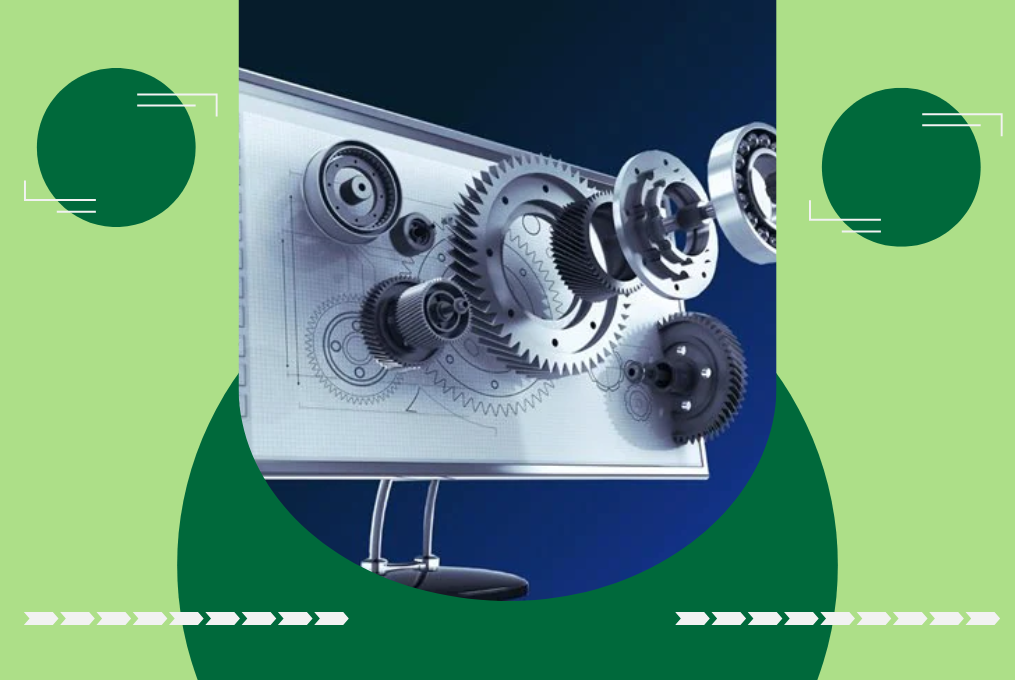
One of the most powerful shifts in product development is the use of digital twin simulation. Unlike traditional design methods, this technology allows teams to create a virtual replica of a product, test it under real-world conditions, and refine it long before manufacturing begins. Now we will know how this technology is shaping modern product design and why it has become a milestone across industries.
What is Digital Twin Technology?
A digital twin is a virtual model of a physical product or system. It does more than just represent shape and form—it continuously receives data from sensors, connected devices, and advanced software. This creates a real-time environment where designers can see how products behave, anticipate performance issues, and adjust designs before production. Technologies like AI, cloud computing, and the Internet of Things in product design make these digital twins highly accurate and reliable.
The Role of Digital Twins in Product Design
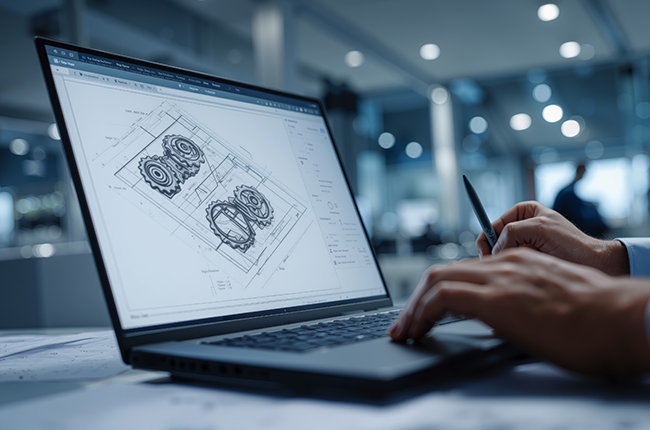
Product design is no longer a one-time activity—it’s a continuous improvement cycle. With digital twin simulation, teams can:
Validate concepts early.
Reduce costly prototypes.
Test durability, efficiency, and safety virtually.
Make design decisions based on data, not guesswork.
The result? Faster time-to-market and higher product quality.
How does simulation create a real-world testing environment?
The power of digital twin simulation lies in its ability to mimic real-world environments without physical risks. For example, in the automotive industry, a vehicle’s engine can be virtually tested for heat resistance, efficiency, and performance under extreme conditions. In aerospace, simulations reduce testing costs and ensure compliance with strict safety standards.
Consumer electronics companies also benefit—testing wearables for battery life or durability is far easier in a digital space. Each cycle of digital twin simulation provides insights that improve performance and minimize production delays.
Knowing predictive insights during the design phase prevents future failures.
One of the biggest advantages during design is planning for the future. Through predictive maintenance with digital twins, designers can simulate how and when parts will fail, long before the product even reaches the market. This allows manufacturers to create more reliable products, extend product lifecycles, and minimize service costs.
By embedding predictive maintenance with digital twins into design, companies reduce downtime for end-users and build stronger trust in their products.
How IoT data powers digital twins?
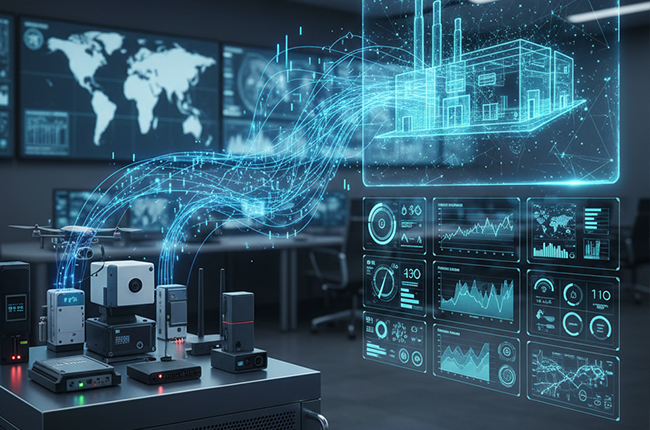
The Internet of Things in product design adds another layer of intelligence to digital twins. By using connected devices and smart sensors, real-time data flows into the virtual model. This not only helps in refining designs but also ensures that future updates or upgrades are based on actual performance insights.
Integrating the Internet of Things in product design means products can evolve dynamically adapting to user needs, environments, and usage patterns.
Challenges & Considerations
While the potential is enormous, adopting digital twin technology requires careful planning. Some common hurdles include:
High setup and software costs.
Data privacy and security concerns.
The need for cross-functional expertise in design, IT, and data science.
Addressing these challenges is essential to unlocking the full value of digital twin simulation.
The Future of Digital Twins in Product Design
The next decade will see digital twins becoming central to sustainable product development. With advances in AI and machine learning, simulations will get smarter, offering deeper insights into energy efficiency and material optimization. Industries from healthcare to manufacturing are already scaling adoption, proving that digital twin simulation is not just a trend but a long-term transformation.
Summing Up!
Digital twin simulation is revolutionizing the way products are designed, tested, and improved. By combining real-time data, virtual prototypes, and predictive analysis, it empowers industries to design smarter and deliver faster. When paired with predictive maintenance with digital twins and the Internet of Things in product design, it creates a powerful ecosystem for innovation.