The Rise of Laser Welding: Achieving Precision and Aesthetic Finishes
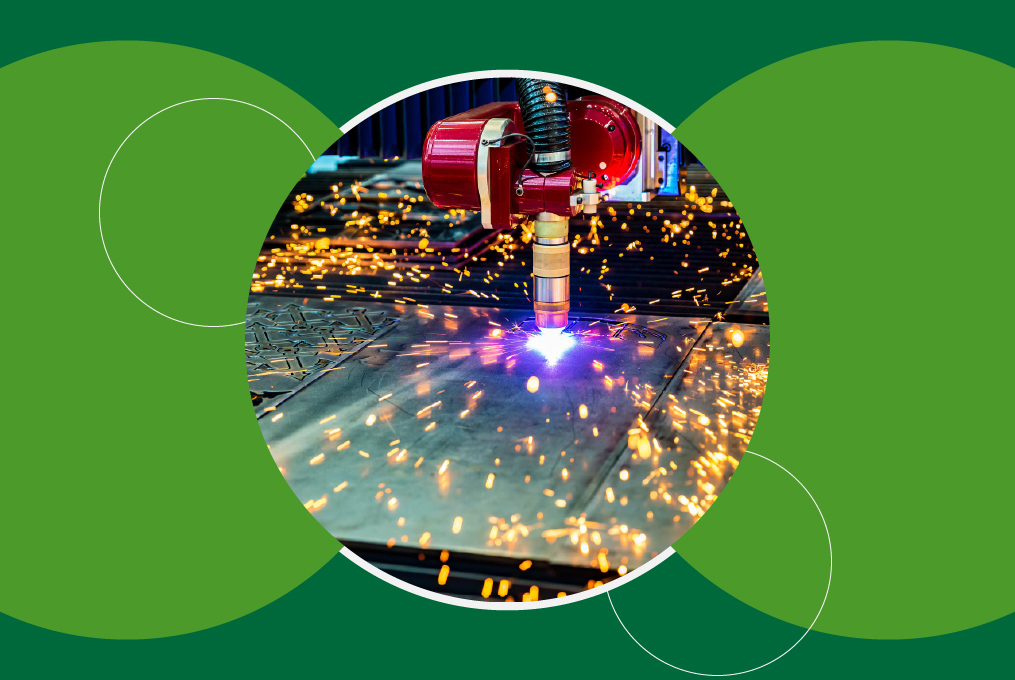
Laser welding has quickly become one of the most trusted technologies in modern metal fabrication. From aerospace and automotive to electronics and medical industries, manufacturers are turning to this advanced welding method for its unmatched precision, strength, and clean aesthetics. The rise of laser welding is not just about speed and efficiency—it represents a shift toward high-quality, visually appealing, and reliable metal joining solutions.
Understanding Laser Welding Technology
Laser welding is a process that uses a focused laser beam to melt and join metal parts together. The laser acts as a concentrated heat source, allowing for deep and narrow welds with minimal distortion. Unlike traditional welding methods such as MIG or TIG, laser welding offers better control, higher speed, and greater consistency.
What makes laser welding special is its ability to join complex shapes and thin materials without damaging surrounding areas. This is why industries that demand precision—like aerospace, electronics, and automotive—are adopting it rapidly.
Why Laser Welding is Gaining Global Attention
The rise of laser welding technology is driven by the growing need for accuracy, durability, and aesthetic appeal in metal components. Manufacturers across the globe are investing in laser welding because it helps them produce stronger, cleaner, and more visually appealing products while maintaining production efficiency.
Some of the main reasons for this rapid growth include:
High Precision: Laser welding produces extremely fine welds, ideal for parts that require tight tolerances.
Speed and Efficiency: It can weld metals much faster than traditional methods, saving time and labor costs.
Clean and Aesthetic Finish: The process results in smooth, polished joints that need little to no post-processing.
Minimal Heat Distortion: Since the laser is so focused, nearby areas remain unaffected, maintaining the part shape and dimensions.
Automation Compatibility: Laser welding can be easily integrated with CNC systems and robotics for fully automated production lines.
The Role of Laser Welding in Modern Manufacturing
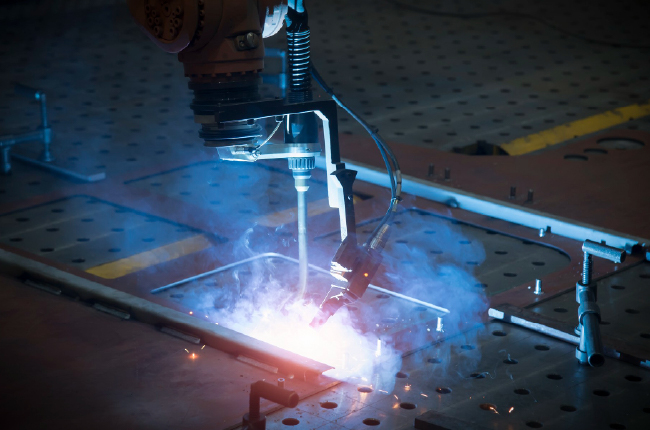
In today’s competitive manufacturing landscape, precision and presentation go hand in hand. Laser welding plays a key role in achieving both. Its advanced technology allows for the creation of complex designs that traditional welding techniques may not handle efficiently.
Industries like aerospace and automotive rely on laser welding to ensure parts are both strong and lightweight. In the electronics industry, it enables fine connections without damaging delicate components. Even in the medical field, laser welding ensures clean and sterile joints, which are essential for tools and implants.
The versatility of laser welding makes it an ideal choice for industries that value performance, durability, and aesthetics.
Achieving Precision with Laser Welding
When it comes to precision welding, laser welding leads the way. The laser beam can be controlled with exact parameters such as beam size, power, and pulse duration. This level of control allows manufacturers to achieve micro-level accuracy in every weld.
For example, in aerospace component manufacturing, even a small welding error can compromise the safety and performance of an aircraft part. Laser welding eliminates that risk by offering repeatable accuracy with every joint.
Precision is not just about the weld quality—it’s also about maintaining the material’s strength and integrity. Laser welding ensures that the material’s properties remain consistent, leading to stronger and more reliable parts.
Aesthetic Finishes Through Laser Welding
Apart from technical strength, modern industries also focus on design and appearance. Laser welding is known for producing clean, smooth welds that enhance the final look of metal parts.
The fine laser beam minimizes spatter and discoloration, reducing the need for additional polishing or finishing. The result is a sleek, attractive surface that meets both functional and aesthetic expectations.
This feature makes laser welding a top choice in industries where appearance matters—like automotive design, consumer electronics, and decorative metalwork. Manufacturers can create visually appealing products without compromising strength or performance.
Laser Welding vs Traditional Welding Methods
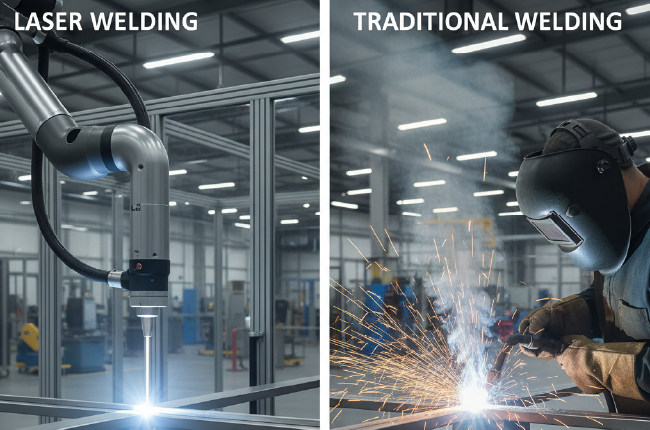
While traditional methods like MIG and TIG welding have their place, laser welding clearly stands out in terms of precision, speed, and finish quality. MIG and TIG welding often involve more heat, which can lead to warping or distortion of thin metals. They also require more manual handling, which can affect consistency.
Laser welding, on the other hand, offers:
Cleaner welds with minimal distortion
Faster production rates
Lower maintenance and rework
Compatibility with automation and robotics
For manufacturers aiming to improve efficiency while maintaining quality, laser welding is becoming the preferred solution.
The Future of Laser Welding Technology
As industries move toward digital manufacturing, the demand for laser welding will continue to rise. The combination of automation, precision, and visual appeal positions laser welding as the future of metal joining.
Emerging innovations like hybrid laser welding, fiber lasers, and AI-based quality control are expected to make the process even faster and more cost-effective. The focus is shifting from just functional welding to creating perfect joints that meet both technical and aesthetic standards.
Why Partner with VmakeU for Laser Welding Solutions
At VmakeU, we understand the importance of precision, strength, and appearance in modern manufacturing. Our advanced laser welding services are designed to deliver the highest quality results with unmatched accuracy. Whether it’s aerospace, automotive, or industrial applications, we combine technology and expertise to meet your specific needs.
If you are looking to achieve aesthetic excellence and superior strength through modern laser welding techniques, contact VmakeU today. Let’s shape the future of manufacturing together.