The Evolution of Sheet Metal Fabrication Techniques: From Traditional to Modern

Sheet metal fabrication has come a long way from the traditional methods used in the past to the advanced techniques we have today. Let's take a journey through time to explore how sheet metal fabrication has evolved from its roots to the modern innovations that shape industries today.
Traditional Methods: Hammer and Anvil
Back in the day, craftsmen used simple tools like hammers and anvils to shape metal sheets. This method requires a lot of skill and strength. They heated the metal to make it easier to bend and shape. It was a slow and labor-intensive process, but it was the best they had at the time.
Introduction of Press Brakes and Roll Forming
As technology advanced, so did sheet metal fabrication techniques. Press brakes were introduced, which allowed for more precise bending of metal sheets. This saved time and improved accuracy compared to manual bending.
Roll forming also became popular, where metal sheets were passed through rollers to create consistent shapes. These techniques made mass production more efficient and cost-effective.
Computer Numerical Control (CNC) Machining
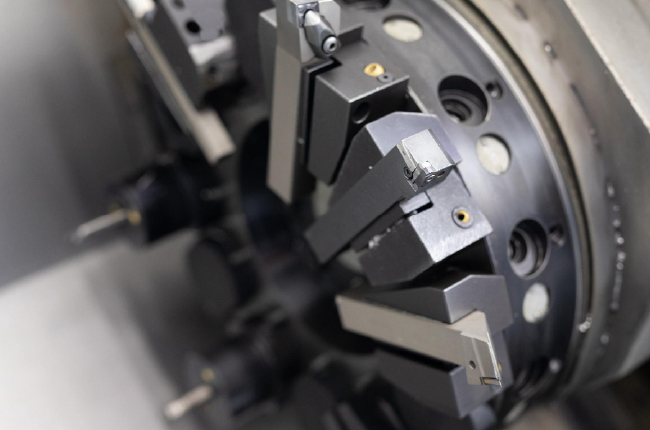
The advent of computers revolutionized sheet metal fabrication. CNC machines replaced manual labor with computer-controlled precision. This allowed for highly complex shapes to be created with incredible accuracy.
CNC machines can cut, bend, and shape metal sheets according to exact specifications, reducing waste and increasing efficiency.
Laser Cutting and Plasma Cutting
Laser cutting and plasma cutting are modern methods used to precisely cut metal sheets. Laser cutting uses a high-powered laser beam to cut through the metal, while plasma cutting uses ionized gas to create the cut. These techniques are fast and accurate, allowing for intricate designs to be cut with ease. They are commonly used in industries like automotive, aerospace, and electronics.
3D Printing
One of the most cutting-edge developments in sheet metal fabrication is 3D printing. Also known as additive manufacturing, 3D printing allows for the creation of complex metal parts layer by layer. This technology is still evolving but has the potential to revolutionize industry by reducing waste and lead time. It also enables the creation of customized parts that would be difficult or impossible to make using traditional methods.
Automation and Robotics
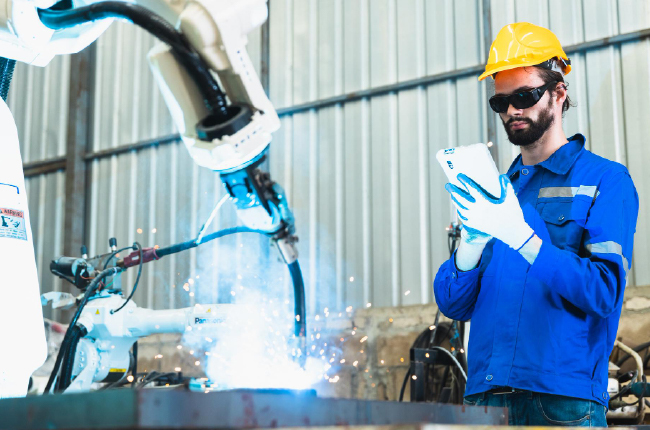
Automation and robotics are increasingly being used in sheet metal fabrication to further improve efficiency and reduce costs. Automated systems can handle repetitive tasks with speed and precision, freeing up human workers for more complex jobs. Robots can be programmed to weld, bend, and assemble metal parts, making the manufacturing process faster and more reliable.
Environmental Considerations
Modern sheet metal fabrication techniques also focus on environmental sustainability. Processes like water jet cutting use water instead of harmful chemicals, reducing environmental impact. Recycling of scrap metal is also common practice, minimizing waste and conserving resources. Additionally, technologies in energy-efficient equipment help reduce energy consumption during fabrication.
Conclusion
From the humble beginnings of hammer and anvil to the high-tech world of 3D printing and robotics, the evolution of sheet metal fabrication techniques has been remarkable. Each advancement has brought increased efficiency, precision, and versatility to the industry.
As technology continues to advance, we can expect even more innovations that will shape the future of sheet metal fabrication.