The Art of Roll Forming: Strength & Flexibility in Metals
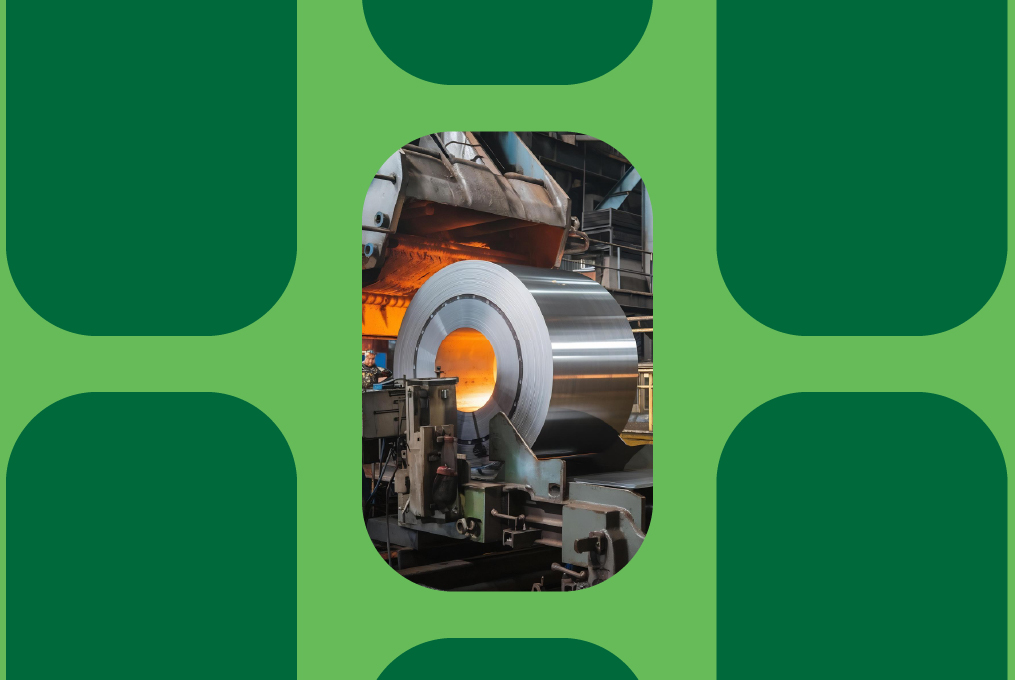
When it comes to shaping metal into strong yet flexible profiles, roll forming stands out as one of the most reliable and efficient techniques. Whether it’s for the automotive, construction, aerospace, or renewable energy industries, roll forming plays a vital role in producing durable components that meet exact design needs. Let’s explore how this process combines art, science, and technology to create high-quality metal profiles with unmatched strength and flexibility.
What is Roll Forming?
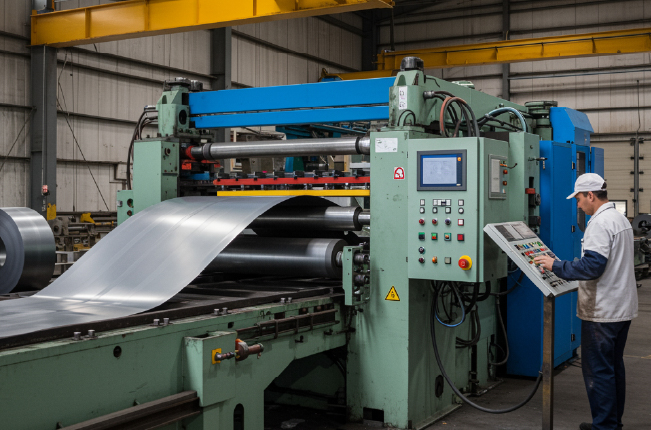
Roll forming is a continuous metal forming process used to shape long strips of sheet metal into specific profiles or cross-sections. The metal strip passes through a series of rollers, each performing gradual bends until the desired shape is achieved.
Unlike other methods such as stamping or bending, roll forming allows manufacturers to create complex shapes without compromising the metal’s structural integrity. It’s perfect for producing lightweight yet strong parts used in roofing, window frames, automotive components, and more.
Why Roll Forming is Considered an Art
The term “art” fits perfectly here because roll forming is not just about machines — it’s about precision, timing, and design creativity. Every roller is carefully designed and positioned to ensure the metal bends smoothly and uniformly.
The key lies in understanding how the material behaves under pressure. Different metals — whether steel, aluminum, copper, or stainless steel — react differently to force and temperature. Skilled engineers and technicians adjust the process accordingly to achieve the perfect balance between strength and flexibility.
How Roll Forming Achieves Strength in Metal Profiles
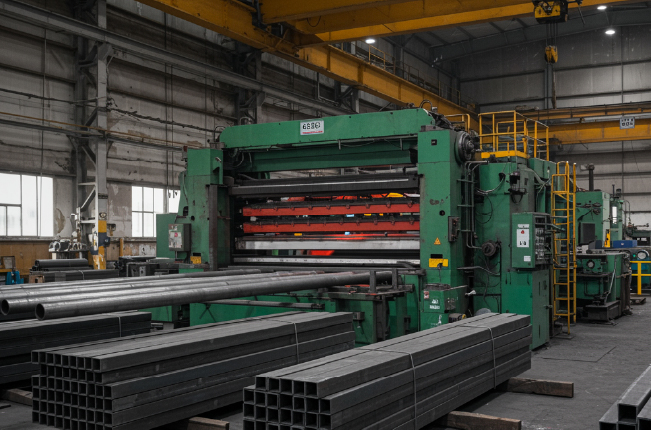
One of the biggest advantages of roll forming is its ability to enhance metal strength while maintaining its form and finish.
1. Cold Working Process
Roll forming is typically a cold forming process, meaning the metal is shaped at room temperature. This increases its yield strength because the metal grains become more compact during deformation.
2. Consistent Cross-Section
Unlike welding or stamping, which may cause weak points, roll forming ensures uniform thickness and strength throughout the entire length of the profile. This consistency is crucial for industries that demand precision and durability.
3. Material Optimization
With roll forming, manufacturers can use thinner materials without losing strength. This helps reduce weight and cost while maintaining high performance — a big plus for aerospace and automotive industries aiming for fuel efficiency.
How Roll Forming Delivers Flexibility in Metal Profiles
While strength is important, flexibility is equally vital in many designs. Roll forming provides perfect balance.
1. Customizable Shapes
From simple angles to complex multi-bend profiles, roll forming allows for customized designs that can easily adapt to different applications.
2. Long Lengths and Continuous Production
The process supports continuous production of long metal parts, making it ideal for large-scale projects like construction panels, pipelines, and support structures.
3. Compatibility with Various Metals
Roll forming can handle a wide range of metals — from high-strength steel to lightweight aluminum — giving manufacturers flexibility in material choice.
Benefits of Roll Forming in Modern Manufacturing
1. Cost-Effective Production
Since roll forming minimizes waste and supports high-speed production, it offers excellent cost efficiency, especially large-volume orders.
2. Superior Finish and Accuracy
The process delivers smooth surfaces and precise dimensions, reducing the need for secondary machining or finishing work.
3. High Repeatability
Once the setup is done, roll forming ensures consistent results over thousands of parts, making it ideal for industries that demand accuracy and reliability.
4. Reduced Material Waste
Because the process involves continuous forming from coil stock, it helps minimize scrap material, leading to more sustainable manufacturing.
Applications of Roll Formed Metal Profiles
Roll-formed profiles are found almost everywhere in modern industries.
Automotive: Body panels, roof rails, bumpers, and seat frames.
Construction: Steel framing, roofing panels, and door frames.
Aerospace: Lightweight structural components.
Renewable Energy: Solar panel frames and wind turbine supports.
Electronics: Enclosures and cable management systems.
This wide range of applications shows how roll forming supports industries that rely on strength, precision, and durability.
The Future of Roll Forming Technology
The future of metal roll forming is bright with innovation. With automation, CNC technology, and AI-driven quality control, manufacturers can achieve even tighter tolerances and faster production speeds.
Smart monitoring systems now track every stage of the roll forming process — from feeding and bending to cutting and quality checks — ensuring zero defects and maximum efficiency.
Sustainability is also becoming a key focus. Many companies are adopting energy-efficient machinery and recyclable materials, making roll forming an environmentally friendly solution for global manufacturing.
Final Thoughts
The art of roll forming lies in transforming simple metal sheets into precise, high-strength profiles that shape the world around us. It’s a process where innovation meets craftsmanship — combining engineering accuracy with creative flexibility.
If you are looking for a reliable roll forming partner who understands global manufacturing needs, VmakeU is here to support your journey.
Partner with VmakeU today and experience the perfect blend of strength, flexibility, and precision in every metal profile.