Strategic Expansion into New Markets and Industries

Sheet metal fabrication manufacturers are like explorers seeking new lands. When they step into fresh markets, it's not just about growing—it's about intelligent moves. Trying out new places can bring lots of good things. They can make more money by selling to different people and finding new ways to grow. These manufacturers are good at making things with metal, so that they can use their skills in many places. Let's discover how entering new markets can help them do even better.
Understanding the Landscape
Sheet metal fabrication manufacturers are no strangers to adaptation. They've honed their craft in precision and efficiency, serving diverse sectors like automotive, aerospace, and construction. Yet, the allure of new markets beckons, promising fresh opportunities and untapped potential.
Identifying New Avenues
Expansion isn't a leap in the dark. It starts with meticulous research. Manufacturers keen on venturing into new territories analyze market trends, consumer demands, and competitor landscapes. They identify sectors where their expertise in sheet metal fabrication can add value.
Strategic Planning
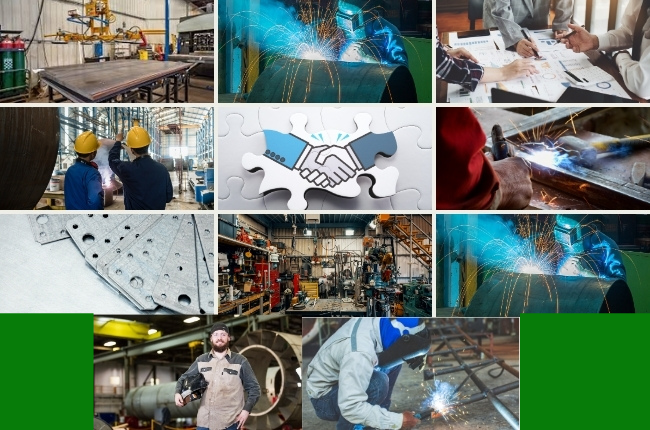
Armed with insights, manufacturers devise a strategic roadmap. This entails setting clear objectives, allocating resources, and establishing timelines. They weigh the risks against potential rewards, ensuring a calculated approach to expansion.
Diversification
One key strategy is diversification. Manufacturers spread their operations across multiple industries instead of putting all eggs in one basket. For instance, a company specializing in automotive components may explore opportunities in electronics or healthcare equipment.
Adapting to Unique Requirements
Entering new markets often means catering to unique demands. Manufacturers must adapt their processes, materials, and designs accordingly. This might involve investing in specialized equipment, training employees, or forming strategic partnerships.
Building Partnerships
Collaboration is a cornerstone of successful expansion. Manufacturers forge alliances with suppliers, distributors, and clients in target industries. These partnerships facilitate market entry, provide valuable insights, and foster long-term growth.
Innovation
Innovation is the lifeblood of expansion. Manufacturers continuously refine their techniques, embrace emerging technologies, and explore novel materials. This not only enhances competitiveness but also opens doors to new market segments.
Quality Assurance
Maintaining quality standards is non-negotiable. Manufacturers uphold stringent quality control measures, ensuring consistency across diverse product lines. This builds trust among customers and solidifies their reputation in new markets.
Market Penetration
Entering a new market isn't enough; manufacturers must strive for market penetration. This involves establishing a solid presence, capturing market share, and outperforming competitors. Strategic pricing, targeted marketing, and exceptional customer service are pivotal in this endeavor.
Evolving with the Times
The business landscape is ever evolving, and so must manufacturers. They monitor market dynamics, adapt to changing trends, and remain agile in their strategies. This flexibility enables them to stay ahead of the curve and thrive in dynamic environments.
Measuring Success
Expansion efforts must be measurable. Manufacturers track key performance indicators (KPIs), such as sales growth, market share, and customer satisfaction. Regular assessments allow them to fine-tune their strategies and course correct as needed.
Conclusion
Expanding into new markets and industries is a journey fraught with challenges and opportunities. For sheet metal fabrication manufacturers, it's a chance to diversify their offerings, tap into new revenue streams, and propel growth to new heights.
With strategic planning, adaptability, and a commitment to excellence, they can navigate these uncharted waters and emerge more vital than ever.