Sheet Metal Recycling: Promoting Sustainability in Manufacturing and Construction
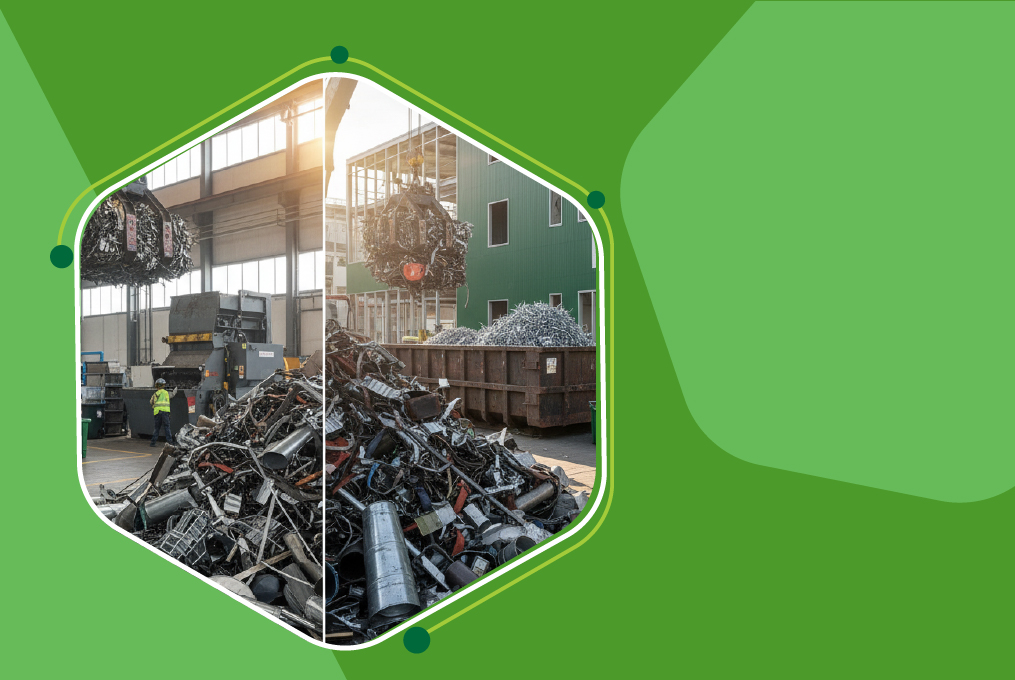
Recycling is essential for our planet. It helps reduce waste and save resources. One essential type of recycling is sheet metal recycling. Sheet metal is used in many things we see every day, like cars, buildings, and appliances. Recycling sheet metal can help protect our environment and promote sustainability in manufacturing and construction.
Why Recycle Sheet Metal?
There are many good reasons to recycle sheet metal. Here are a few:
Save Natural Resources: Metals come from ores mined from the earth. Mining can harm the environment by causing pollution and using up natural resources. Recycling sheet metal helps reduce the need for mining.
Reduce Waste: When metal products are thrown away, they take up space in landfills and can pollute the environment. Recycling keeps metal out of landfills and reduces waste.
Save Energy: It takes a lot of energy to mine and process new metal. Recycling metal uses much less energy. This helps reduce greenhouse gas emissions and fight climate change.
Economic Benefits: Recycling creates jobs and supports the economy. Many industries rely on recycled metal to make their products, which can lower costs and increase profits.
How is Sheet Metal Recycled?
The process of recycling sheet metal is simple but very effective. Here are the basic steps:
Collection: The first step is to collect scrap metal. This can come from old cars, appliances, buildings, and other sources. Many businesses and individuals collect scrap metal to sell to recycling centers.
Sorting: Once the scrap metal is collected, it needs to be sorted. Different types of metal are separated because they are processed differently. For example, steel is separated from aluminum.
Shredding and Melting: The sorted metal is then shredded into small pieces. These pieces are melted down in a furnace. The melting process removes impurities and makes the metal ready to be used again.
Forming: The melted metal is poured into molds to create new sheets or shapes. These new pieces of metal can be used to make new products.
Manufacturing: Finally, recycled metal is used to make new products. This can include anything from cars to building materials.
Benefits of Sheet Metal Recycling in Manufacturing
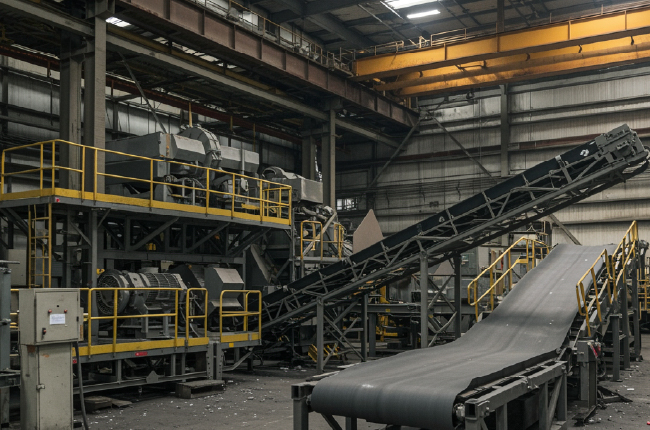
In manufacturing, using recycled sheet metal has many benefits:
Cost Savings: Recycled metal is often cheaper than new metal. This helps manufacturers save money and keep prices lower for consumers.
Environmental Impact: Using recycled metal reduces the need for mining and lowers greenhouse gas emissions. This helps protect the environment and promote sustainability.
Quality: Recycled metal can be as strong and durable as new metal. This means manufacturers can make high-quality products without sacrificing performance.
Supply Chain: Using recycled metal helps create a more sustainable supply chain. This is important for companies that want to reduce their environmental impact and promote sustainability.
Benefits of Sheet Metal Recycling in Construction
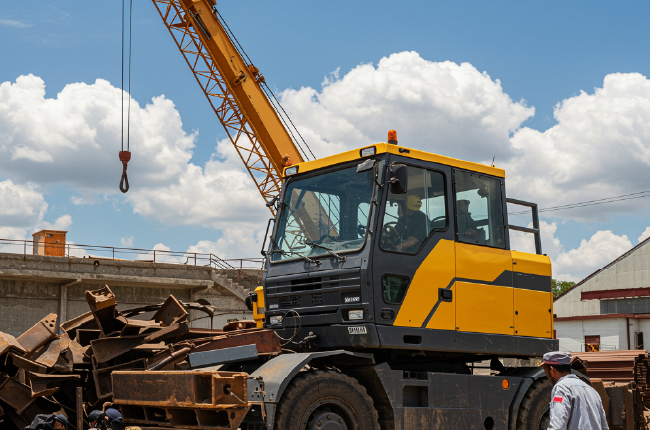
In construction, recycled sheet metal offers many advantages:
Sustainable Building Materials: Using recycled metal in construction helps create sustainable buildings. This is important for reducing the environmental impact of construction projects.
Energy Efficiency: Buildings made with recycled metal can be more energy efficient. This can help lower energy costs and reduce greenhouse gas emissions.
LEED Certification: Many construction projects aim to achieve LEED (Leadership in Energy and Environmental Design) certification. Using recycled metal can help meet the requirements for this certification and promote green building practices.
Durability: Recycled metal is solid and durable, making it an excellent choice for construction projects. It can withstand harsh weather conditions and last for many years.
Wrapping Up!
Sheet metal recycling is essential in promoting sustainability in manufacturing and construction. By recycling sheet metal, we can save natural resources, reduce waste, save energy, and support the economy. Recycled metal offers many benefits, whether used in making new products or building structures.
We can help protect our environment and create a more sustainable future by choosing to recycle and using recycled metal.