Sheet Metal Hemming Explained and Its Types
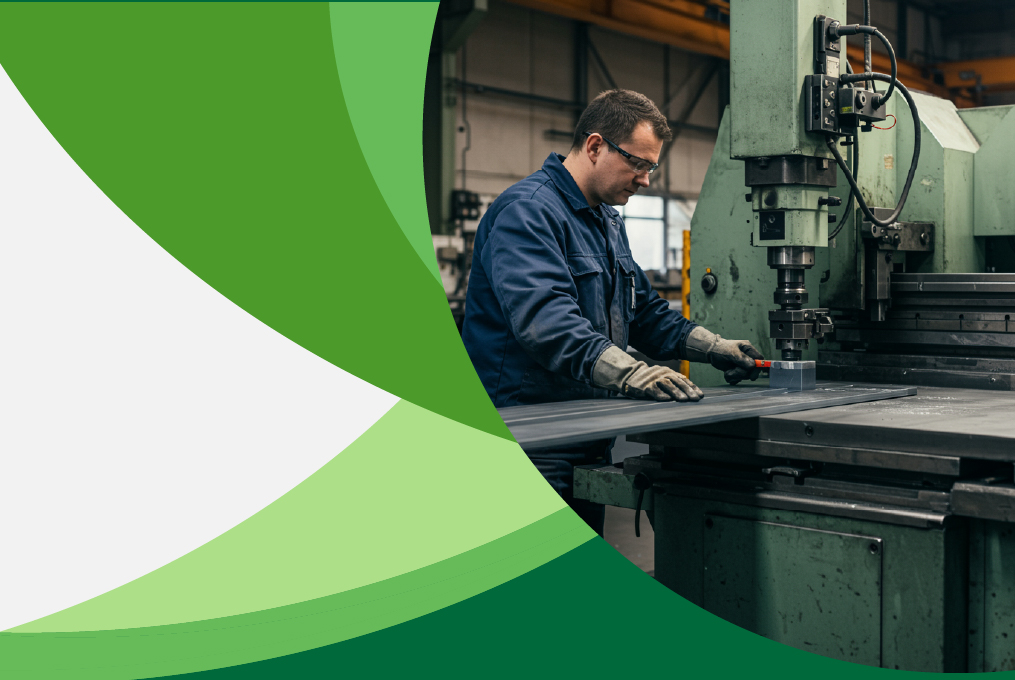
Sheet metal hemming is a technique used in various industries, especially in automotive, aerospace, and appliance manufacturing. It might sound a bit technical, but it’s actually a simple process once you understand the basics. If you’ve ever looked closely at the edge of a car door or a kitchen appliance, you’ve likely seen hemming in action. So, what exactly is sheet metal hemming? Let’s break it down in easy terms.
What is Sheet Metal Hemming?
Hemming is a process where the edge of a sheet of metal is folded back onto itself. Think of it like folding the edge of a piece of paper. This folding adds strength to the metal and also makes the edge smoother, which is great for safety and looks. In industries like automotive, it’s used to create clean, strong edges, especially when parts need to fit together seamlessly.
Hemming is particularly useful for two main reasons:
Strengthening Edges: When you fold the metal, it becomes more rigid. This is important in products like car bodies, where strength is needed without adding too much weight.
Smoothing Edges: The folding process hides the sharp, rough edge of the metal, making it safer to handle and giving the product a cleaner finish.
Now that we know what hemming is, let’s take a look at the different types of hemming used in sheet metal fabrication.
Types of Hemming
There are a few types of hemming methods, and each has its own specific uses depending on the type of project. We’ll go over the most common types:
1. Roll Hemming
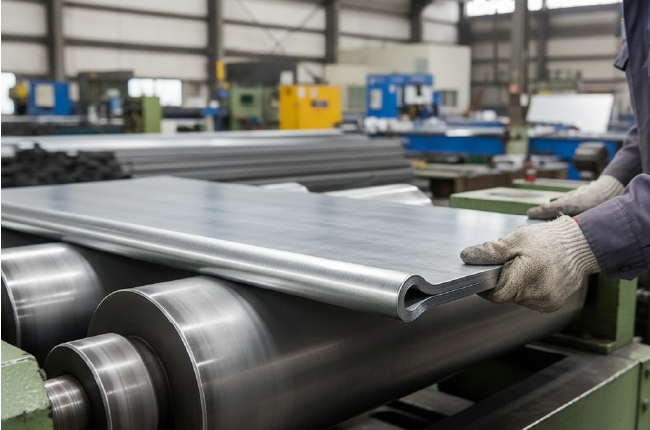
Roll hemming is one of the most commonly used techniques, especially in the automotive industry. In this method, a rolling tool is used to fold the edge of the metal in small steps. This makes the hemming process very controlled and precise, which is perfect for complex shapes, like car doors or panels.
Why Use Roll Hemming?
Precision: Since the metal is folded slowly in steps, it’s easier to control, making this method ideal for large, curved parts.
Less Stress on Metal: Roll hemming applies less pressure on the metal, reducing the chances of cracks or deformities.
Roll hemming is often used when a clean, high-quality finish is needed, which is why you’ll see it in car manufacturing where appearance and durability are essential.
2. Die Hemming
Die hemming is another common method, often used for smaller parts or when the shape is simpler. In this process, a die (a specially designed tool) presses the metal into shape all at once. The metal edge is folded in a single step, which makes this process faster than roll hemming.
Why Use Die Hemming?
Speed: Die hemming is a quick process because it folds the metal in one go.
Best for Flat or Simple Shapes: Since this method isn’t as precise as roll hemming, it’s mainly used for flat or less complex parts.
Die hemming is common in high-volume production because of its speed, but it may not be suitable for intricate parts where precision is key.
3. Table Hemming
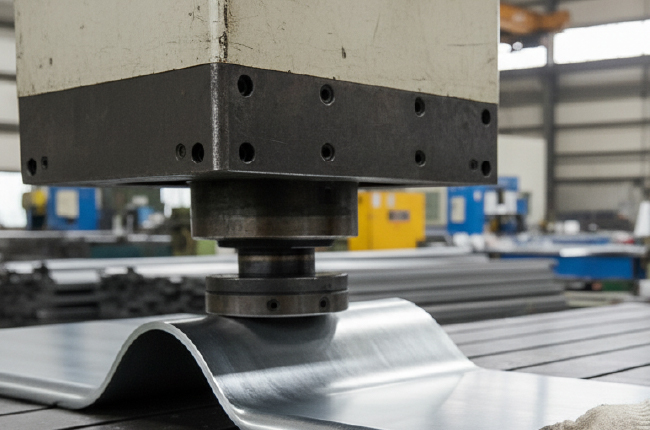
Table hemming is a more manual process, usually done with the help of a table press. The metal sheet is placed on a flat surface, and a tool folds the edge. This type of hemming is typically used for small batches or custom jobs where precision isn't the primary concern.
Why Use Table Hemming?
Flexibility: Since it’s a manual process, table hemming is great for smaller projects or custom work where adjustments need to be made on the fly.
Cost-effective: It doesn’t require as much specialized equipment, making it more affordable for small runs.
Table hemming is often used in industries that require custom work or repairs, as it allows more flexibility in handling different shapes and sizes.
4. Pre-Hemming and Final Hemming
Pre-hemming and final hemming are often done together in two steps. First, the edge of the metal is partially bent during pre-hemming, and then the final hem completes the fold. This two-step process ensures a smoother and more precise fold, especially for parts that need to be very strong or where a high-quality appearance is essential.
Why Use Pre-Hemming and Final Hemming?
Accuracy: By breaking the process into two steps, it reduces the risk of defects, like cracking or warping.
Better Finish: This method produces a cleaner, more polished edge, making it ideal for products where aesthetics matter, such as appliances or electronics.
Wrapping Up!
Sheet metal hemming might seem like a small detail, but it plays a big role in ensuring the strength, safety, and appearance of many products we use daily, from cars to home appliances. The different types of hemming—roll hemming, die hemming, table hemming, and the combination of pre-hemming and final hemming—each have their own benefits, depending on the project.
Understanding these types can help you choose the right method for your specific needs, ensuring that the finished product is strong, safe, and visually appealing. Whether you're in the automotive industry or working on custom metal parts, hemming is a technique worth knowing about!
By explaining the types of hemming in simple terms, we hope you now have a clearer idea of how this process works and its importance in manufacturing.