Sheet Metal Fabrication Techniques: Cutting, Bending, Welding, and Forming
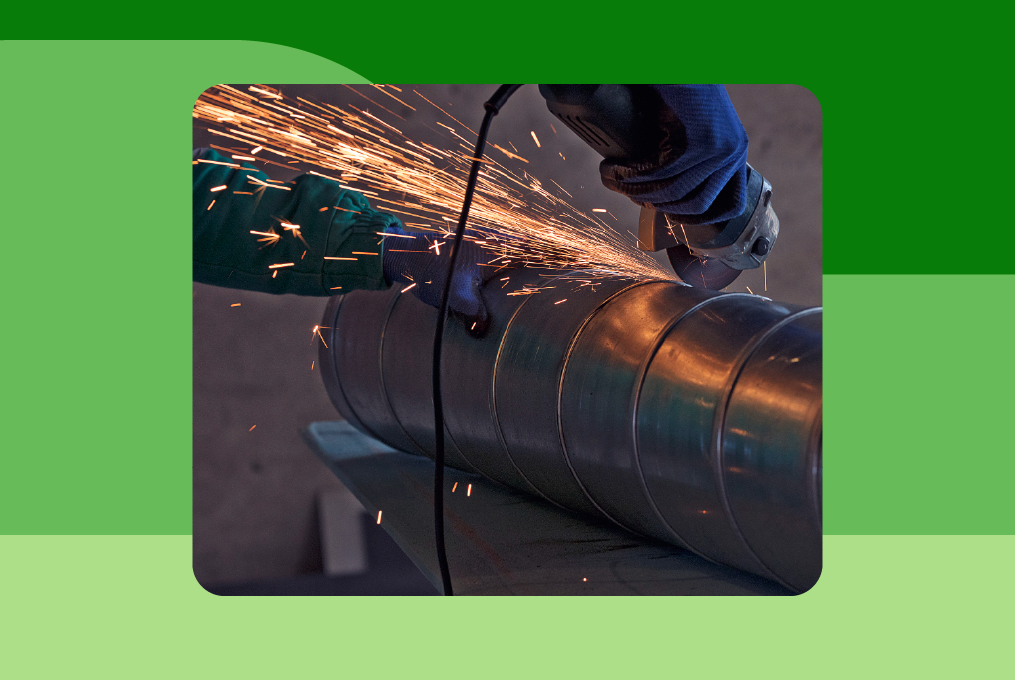
When making things out of metal, sheet metal fabrication is used in many industries, from cars to aeroplanes and even household appliances. But what exactly is sheet metal fabrication, and how do we turn a flat piece of metal into something useful? It's all about different techniques—cutting, bending, welding, and forming. These methods are like steps in a recipe, helping manufacturers create precise shapes and parts. Let's examine these techniques more closely and understand how they work.
Cutting
Cutting is usually the first step in any sheet metal fabrication process. Imagine you have a piece of paper and must cut it into a specific shape for an art project. In the same way, cutting in sheet metal fabrication is about slicing the metal into the required shape.
But how is metal cut? Since metal is more challenging than paper, special tools and methods exist to do the job. Here are a few common ways to cut metal:
Shearing: This is similar to using giant scissors to cut through metal. A blade is applied forcefully to slice through the sheet, leaving a straight edge.
Laser Cutting: This method uses a powerful laser beam to cut through the metal. Laser cutting creates complex shapes and designs, making it great for detailed work.
Plasma Cutting: Here, a jet of hot plasma is used to cut the metal. It's very effective for thicker metal sheets, blowing through the material at high speeds.
Each cutting method has advantages depending on the type of metal, thickness, and shape needed.
Bending
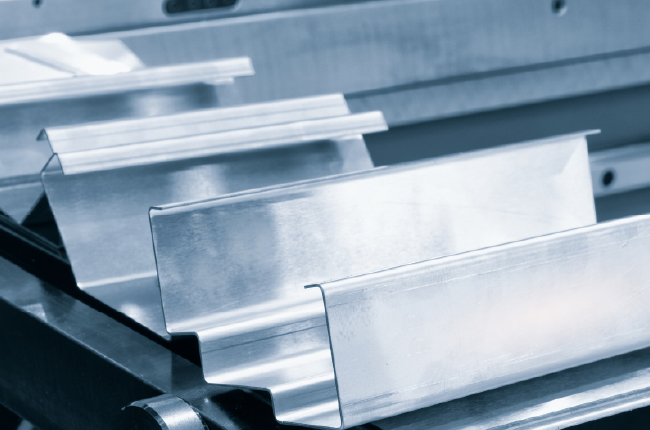
The next step is often bending after cutting the metal into the right size and shape. Bending is precisely what it sounds like—bending a flat sheet to the desired angle or curve.
Think of it like bending a piece of cardboard to create a box. Press brakes are commonly used to perform this task in sheet metal fabrication. These machines apply a lot of pressure to bend the metal into different shapes, like L-shapes or U-shapes, which are common in many products.
There are also different methods to bend metal, such as:
V-bending: The metal is pressed into a V-shaped groove, giving it a sharp bend.
Air Bending: This allows more flexibility in the angle of the bend, offering a gentler curve compared to V-bending.
Roll Bending: In this method, the metal sheet is passed through rollers, shaping it into a curve or cylinder.
Bending is crucial because it gives the metal structure and helps it fit into the final product's design.
Welding
Once the metal pieces are cut and bent, the next step might be welding, where two or more pieces of metal are joined together. Welding is like glueing things together, but instead of glue, heat is used to melt the metal so that it fuses as one solid piece.
There are various welding methods used in sheet metal fabrication, such as:
MIG Welding (Metal Inert Gas): This is one of the most common types of welding. It uses a continuous wire that acts as a filler and a heat source, melting and joining the metals.
TIG Welding (Tungsten Inert Gas): TIG welding is more precise and is used for delicate work. Instead of a wire, it uses a tungsten electrode and requires the welder to add filler material separately.
Spot welding is often used to join thin metal sheets, such as in the automotive industry. Small electric currents are applied to " spot weld" in certain areas, making quick and intense bonds.
Welding is essential because it ensures that different metal parts stay securely together, especially in products like cars, buildings, and machinery.
Forming
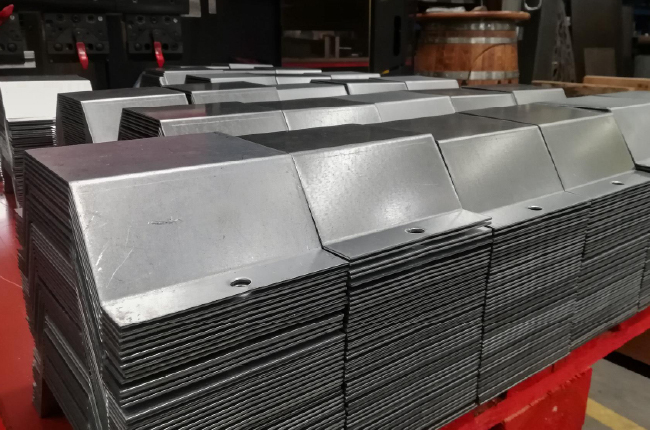
Forming is the final technique we'll discuss. While bending focuses on creating sharp angles, forming is more about shaping the metal in a broader sense. It's a process that changes the shape of the metal without adding or removing material.
Machines apply force to the metal in forming, causing it to stretch or compress until it takes the desired shape. Some standard forming techniques include:
Stamping: A machine stamps down on the metal to form patterns or shapes. Think of it like a cookie cutter for metal.
Deep Drawing: This process stretches the metal into a three-dimensional shape, like turning a flat circle into a cup.
Spinning: In spinning, a flat piece of metal is rotated on a lathe and shaped into a round object, like a bowl or a cone.
Forming is used in various applications, from simple items like kitchen sinks to complex components in the aerospace industry.
Conclusion
Sheet metal fabrication is a craft in which different techniques turn raw metal into something valuable and beautiful. Each step—cutting, bending, welding, and forming—plays a crucial role in shaping the metal into final products that are strong, durable, and functional.
Whether it's the car you drive, the aeroplane you fly in, or even the appliances in your home, sheet metal fabrication is all around us. Understanding these basic techniques helps us appreciate how raw metal is transformed into the everyday items we depend on.