Sheet metal fabrication- 2D Laser cutting
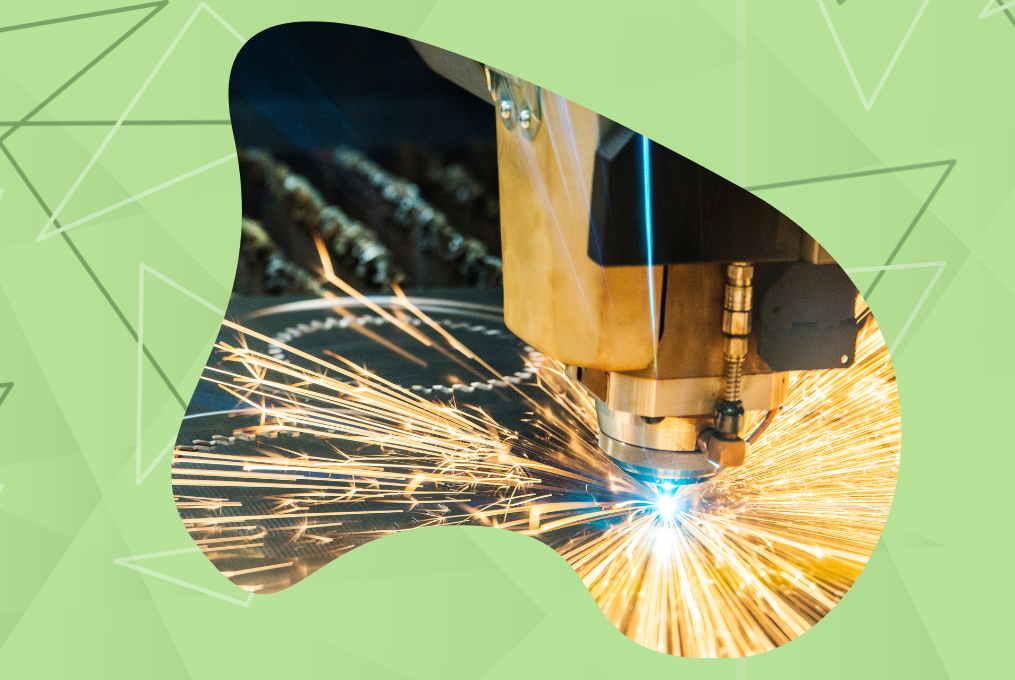
Sheet metal fabrication is an essential part of modern manufacturing. From automotive to aerospace and electronics, it helps build strong and accurate metal components. One of the most advanced techniques used in this process is 2D laser cutting. It has changed the way industries cut and shape metal, offering unmatched precision, quality, and speed. Let’s explore how 2D laser cutting works, its benefits, and why it’s a preferred choice for industries around the world.
What is 2D Laser Cutting in Sheet Metal Fabrication?
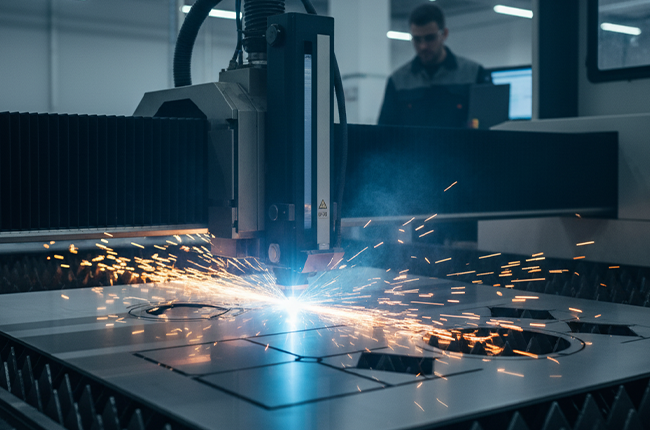
In simple words, 2D laser cutting is a technology that uses a high-powered laser beam to cut flat sheet metals into specific shapes. The “2D” refers to two-dimensional movement – the laser cuts along the X and Y axes, allowing it to create detailed and precise designs on a flat surface.
It’s widely used in sheet metal fabrication because it can handle different metals like stainless steel, aluminum, mild steel, copper, and brass with incredible accuracy.
The laser melts, burns, or vaporizes the material, leaving clean and smooth edges without the need for further finishing.
How 2D Laser Cutting Works
The process might sound complex, but it’s quite straightforward when broken down:
Design Preparation:
The design or pattern to be cut is created using CAD (Computer-Aided Design) software.Material Placement:
The sheet metal is placed on the machine bed, ready for cutting.Laser Cutting:
A focused laser beam follows the programmed design, cutting through the metal with extreme precision.Final Output:
The finished parts have fine edges and detailed cuts, reducing the need for manual trimming or polishing.
Because it’s digitally controlled, 2D laser cutting ensures high repeatability—every part cut is the same as the last.
Benefits of 2D Laser Cutting in Sheet Metal Fabrication
Let’s look at some of the biggest reasons why industries prefer 2D laser cutting:
1. Precision and Accuracy
The biggest advantage of 2D laser cutting is its high precision. The laser beam is extremely thin, allowing for tight tolerances and accurate results. This is crucial in industries like aerospace, automotive, and electronics, where even a small error can affect performance.
2. Speed and Efficiency
Laser cutting is much faster than traditional cutting methods. It reduces production time, improves workflow, and helps companies meet large orders on time.
3. Clean and Smooth Edges
Since the laser melts rather than cuts mechanically, it leaves behind smooth edges without burrs. This eliminates the need for additional finishing work, saving both time and cost.
4. Versatility in Materials
2D laser cutting can handle different metals and thicknesses. Whether it’s stainless steel, aluminum, or copper, the results are consistent and reliable.
5. Cost-Effective for Small and Large Projects
Because it’s automated and precise, there’s very little material waste. That makes it a cost-efficient choice for both custom prototypes and mass production.
6. Repeatability and Consistency
Once a design is programmed, it can be repeated multiple times with the same level of accuracy. This consistency makes it perfect for industries that rely on standardized components.
Applications of 2D Laser Cutting in Sheet Metal Fabrication
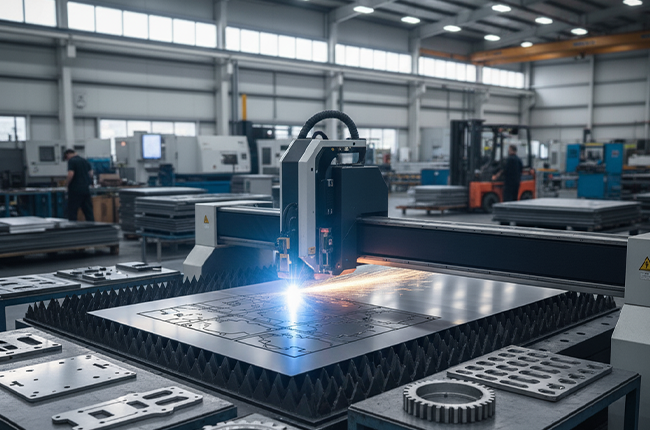
2D laser cutting plays a big role in several industries. Here are some examples of where it’s used:
Aerospace Industry
Used to cut lightweight yet strong materials for aircraft structures and engine components where precision is key.
Automotive Industry
Helps in creating car body panels, brackets, and intricate designs with consistent accuracy.
Electronics Industry
Ideal for producing thin metal parts and detailed electronic housing.
Architecture and Construction
Used to make decorative metal panels, railings, and custom structures with clean finishes.
Energy and Industrial Equipment
Ensures accuracy in manufacturing metal enclosures, machine components, and parts used in renewable energy systems.
No matter the industry, 2D laser cutting provides the flexibility and quality required for modern sheet metal fabrication.
Why 2D Laser Cutting is the Future of Metal Fabrication
As industries move toward automation and precision-based manufacturing, 2D laser cutting continues to stand out. It supports digital manufacturing, reduces manual labor, and allows complex designs to be completed in less time.
Moreover, it’s environmentally friendly. Since it creates minimal waste and uses energy efficiently, it’s a step toward sustainable fabrication processes.
With the continuous improvement of laser technology, 2D laser cutting is becoming even faster and more accurate—helping manufacturers stay competitive in the global market.
Finally!
2D laser cutting has truly transformed the sheet metal fabrication industry. It delivers precision, flexibility, and efficiency that traditional methods can’t match. From detailed designs to large-scale production, this technology helps industries save time, reduce costs, and achieve higher quality results.
If you’re looking for a trusted partner for your sheet metal fabrication needs, VmakeU is here to help.
Partner with VmakeU today and experience precision that powers your progress.