MIG vs TIG Welding: Which One is the Right Choice?
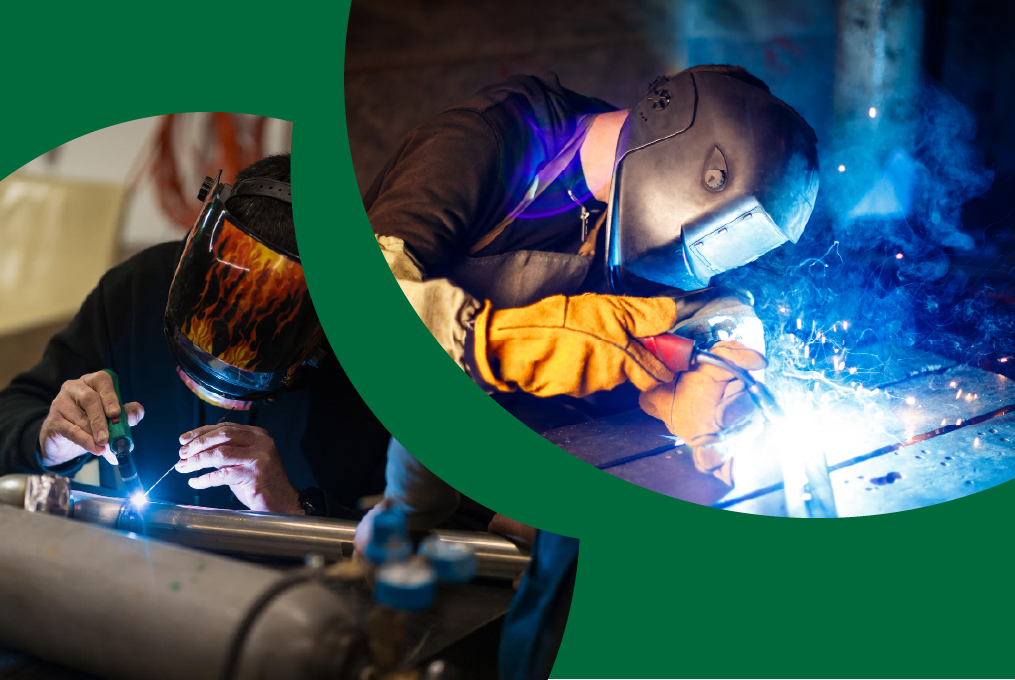
When it comes to welding, you may hear two common terms: MIG and TIG welding. If you're trying to decide which one is the right choice for your project, don't worry! We're here to explain the differences between MIG and TIG welding in a simple, easy-to-understand way. Both MIG (Metal Inert Gas) and TIG (Tungsten Inert Gas) welding are widely used, but they have different strengths and are better suited for specific tasks. In this blog, we'll explore what each type is, how they differ, and how you can decide which one works best for your needs.
What is MIG Welding?
MIG welding is a type of welding that uses a wire feeding system to continuously supply a wire electrode to the weld. The wire melts and fuses two pieces of metal together. As the wire melts, it creates a protective gas shield around the weld, preventing contamination from the air.
MIG welding is known for being relatively easy to learn, making it a popular choice for beginners or for projects that require speed and efficiency. It is great for large projects that don’t need as much precision.
Key Features of MIG Welding
Speed: MIG welding is fast because the wire feeds continuously. This means you can weld large sections quickly, which is helpful when working on bigger projects.
Ease of Use: This method is easy to pick up, even if you don’t have a lot of experience in welding. Many people prefer MIG welding because it allows for smooth and steady welding.
Material Variety: MIG welding works well with thicker metals, like steel and aluminum. It can handle materials of varying thicknesses with ease.
Ideal For: Large-scale projects, industrial work, and tasks that require quicker completion. MIG welding is often used in automotive repairs, construction, and manufacturing.
What is TIG Welding?
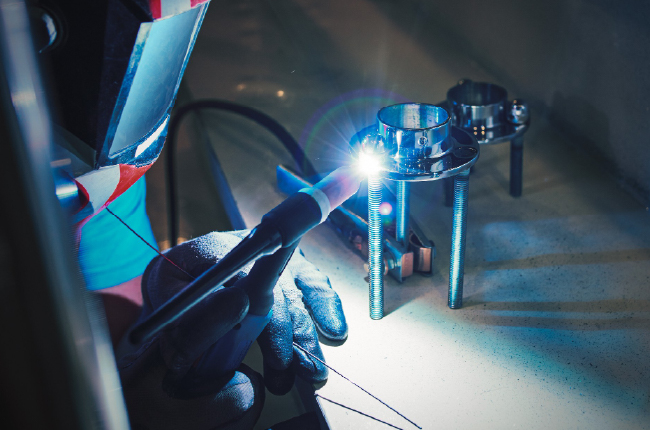
TIG welding, on the other hand, uses a tungsten electrode that doesn’t melt as it welds. Instead of a continuous wire feed, you manually feed a separate filler rod into the weld, if needed. TIG welding is known for producing cleaner, more precise welds, but it requires more skill and time.
Because of its precision, TIG welding is ideal for delicate and detail-oriented work. It’s commonly used for thin materials and jobs where the appearance of the weld is important.
Key Features of TIG Welding
Precision: TIG welding allows for more control, making it easier to create neat, detailed welds. This makes it great for smaller, more intricate tasks.
Clean Welds: TIG welding produces very clean welds with minimal splatter. This is important if you need the final weld to look good, without too much cleanup afterward.
Manual Control: Since you control both the electrode and the filler material separately, TIG welding can be slower but allows for more accuracy.
Ideal For: Small-scale projects, precision work, and jobs that require high-quality welds. TIG welding is often used in industries like aerospace, art, and delicate metal fabrication.
Differences Between MIG and TIG Welding
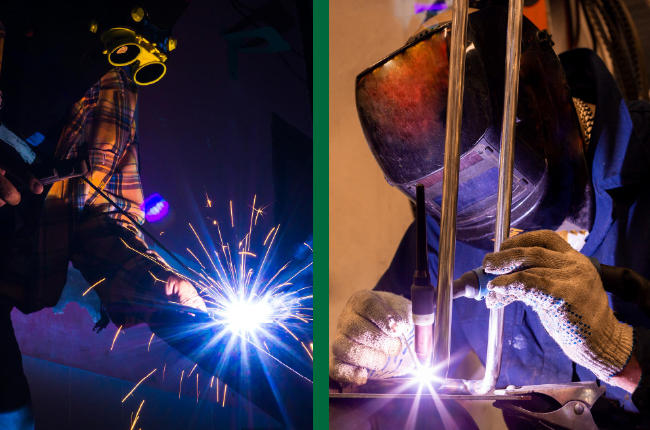
Now that we know the basics of MIG and TIG welding, let’s look at the main differences:
Speed vs. Precision:
a. MIG Welding is faster and better suited for larger jobs where speed is important.
b. TIG Welding takes more time but delivers higher precision and cleaner welds.
Skill Level:
a. MIG Welding is easier to learn, even if you’re a beginner.
b. TIG Welding requires more skill and experience, as it involves manually controlling the weld.
Material Thickness:
a. MIG Welding handles thicker materials well, making it ideal for jobs like car repairs or structural work.
b. TIG Welding works better on thin materials or delicate projects where precision is key.
Weld Appearance:
a. MIG Welding can sometimes result in more splatter and may need more cleaning after the welding.
b. TIG Welding produces clean, beautiful welds that often don’t require much finishing work.
Which Welding Method is Best for You?
Choosing between MIG and TIG welding depends on the type of project you're working on and what matters most to you—speed or precision. Here are a few scenarios to help you decide:
If you have a large project like fixing a car body or building a structure, MIG welding is probably your best bet. It’s faster, easier to learn, and perfect for welding thicker metals.
If you're working on a delicate project like a bicycle frame, a piece of artwork, or any job that requires fine detail and a neat finish, TIG welding is the better choice. It gives you the control and precision you need for high-quality results.
If time is a factor, and you need to get the job done quickly, go with MIG welding. However, if the quality and appearance of the weld are more important, take your time with TIG welding.
Final Thoughts!
MIG and TIG welding both have their strengths and are useful for different kinds of work. MIG welding is fast and great for bigger projects, while TIG welding provides precise and clean results for smaller, more detailed tasks.
So, when choosing between MIG and TIG welding, think about the size of your project, the materials you're working with, and how important precision is for the result. Whether you need speed or accuracy, both methods have their place, and picking the right one can help ensure a successful project!