Mechanical Equipment Manufacturing: Leveraging Sheet Metal for Efficiency
Materials play a significant role in how products are made and how well they perform in mechanical equipment manufacturing. One material that stands out for its versatility and efficiency is sheet metal. This blog will explore how sheet metal is used in manufacturing, its benefits, and why it is essential for making high-quality mechanical equipment.
Why is Sheet Metal Used in Manufacturing?
There are several reasons why sheet metal is a popular choice in manufacturing:
Strength and Durability: Solid metal is strong and durable despite being thin. It can withstand pressure and weight, making it ideal for creating sturdy mechanical equipment.
Flexibility: Sheet metal can be cut, bent, and shaped into almost any form. This flexibility allows manufacturers to create complex designs and intricate parts with precision.
Lightweight: Compared to other materials, sheet metal is relatively lightweight. This makes it easier to handle and transport, which can reduce shipping costs and improve efficiency in the manufacturing process.
Cost-Effective: Sheet metal is often more affordable than other materials. Its availability and ease of use also help keep production costs low.
Recyclable: Many types of sheet metal can be recycled. This makes it an environmentally friendly choice for manufacturers who want to reduce waste and promote sustainability.
How is Sheet Metal Used in Manufacturing?
Sheet metal is used in various stages of the manufacturing process. Here are some typical applications:
Cutting: Sheet metal can be cut into different shapes and sizes using tools like shears, lasers, or plasma cutters. This allows manufacturers to create parts that fit together perfectly.
Bending: After cutting, sheet metal can be bent at different angles and curves. This is done using machines like press brakes, which apply pressure to the metal to create the desired shape.
Forming involves shaping sheet metal into specific designs using tools like dies and molds. This process is often used to create complex parts that require precise dimensions.
Joining: Different pieces of sheet metal can be joined together using welding, riveting, or adhesives. This helps create strong and durable assemblies.
Finishing: Once the parts are formed and joined, they can be finished with painting, coating, or polishing. This not only improves the appearance of the parts but also adds extra protection against wear and corrosion.
Benefits of Using Sheet Metal in Mechanical Equipment
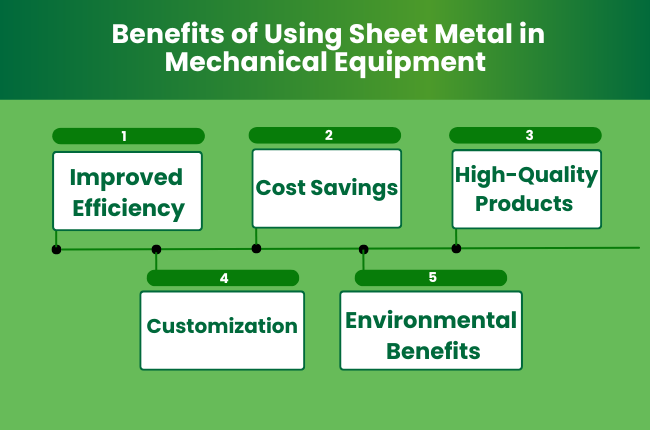
Using sheet metal in mechanical equipment manufacturing offers several benefits:
Improved Efficiency: The flexibility and ease of working with sheet metal can speed up the manufacturing process. This allows manufacturers to produce parts quickly and meet tight deadlines.
Cost Savings: The affordability and recyclability of sheet metal help reduce material costs. Additionally, its lightweight nature can lower transportation expenses.
High-Quality Products: The strength and durability of sheet metal ensure that the final products are robust and reliable. This is crucial for mechanical equipment that needs to withstand heavy use and harsh conditions.
Customization: Sheet metal can be easily customized to meet specific requirements. This is important for creating specialized equipment that fits the unique needs of different industries.
Environmental Benefits: Manufacturers can minimize waste and contribute to environmental sustainability by using recyclable sheet metal. This is becoming increasingly important as industries strive to reduce their carbon footprint.
Examples of Mechanical Equipment Made with Sheet Metal
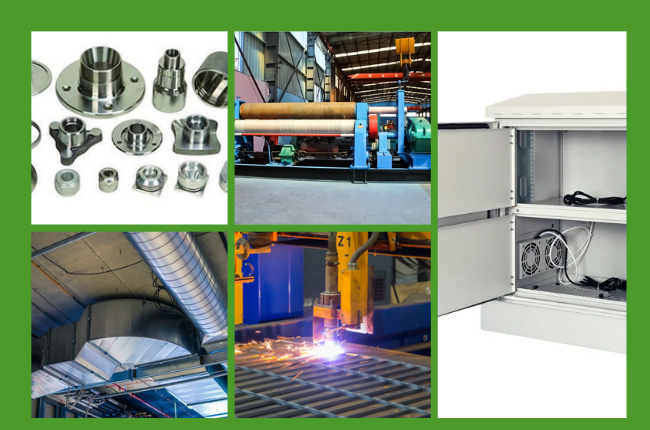
Sheet metal is used to create a wide range of mechanical equipment, including:
Automotive Parts: Many car parts, such as body panels, engine components, and exhaust systems, are made from sheet metal. Its strength and lightweight nature make it ideal for improving vehicle performance and fuel efficiency.
Industrial Machinery: Sheet metal is used to construct machines and equipment in factories and production lines. This includes enclosures, frames, and support structures.
HVAC Systems: Heating, ventilation, and air conditioning (HVAC) systems often use sheet metal for ducts, vents, and other components. Its ability to be formed into different shapes ensures efficient airflow and proper ventilation.
Appliances: Household appliances like refrigerators, ovens, and washing machines often have parts made from sheet metal. Its durability ensures these appliances can withstand daily use.
Electronics: Enclosures and casings for electronic devices like computers and smartphones are often made from sheet metal. This protects the internal components while maintaining a sleek and modern look.
Conclusion
Sheet metal is a vital material in mechanical equipment manufacturing. Its strength, flexibility, and cost-effectiveness make it ideal for creating high-quality and efficient products. By leveraging sheet metal, manufacturers can improve their processes, reduce costs, and produce equipment that meets the demands of various industries.
As technology advances, sheet metal use in manufacturing will continue to grow, driving innovation and efficiency in mechanical equipment production.