Machining Safety: Best Practices and Guidelines for a Secure Work Environment
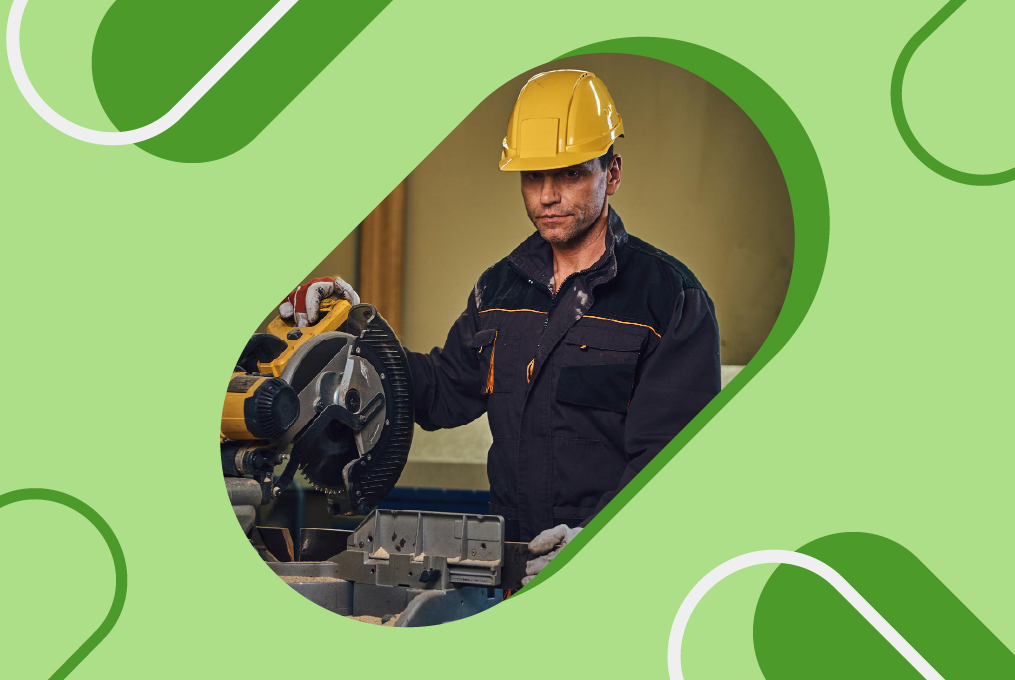
When working in the machining industry, safety should always come first. Machining involves working with heavy equipment, sharp tools, and moving parts, which can be dangerous if proper care isn't taken. Whether you're using a milling machine, lathe, grinder, or drill, following machining safety guidelines is essential to protect yourself and others in the work environment. In this blog, we'll go through some important safety practices and guidelines that anyone working in machining should follow to keep the workspace safe.
Why Is Machining Safety So Important?
Machining can be risky because you’re working with equipment that can cause serious injuries, such as cuts, burns, or even worse. Having clear safety practices in place helps reduce the chances of accidents, protect workers, and keep machines working smoothly.
By following proper safety measures, you not only prevent accidents but also ensure that work continues without unnecessary interruptions or repairs. A safe workspace is also a more productive one!
Best Practices for Machining Safety
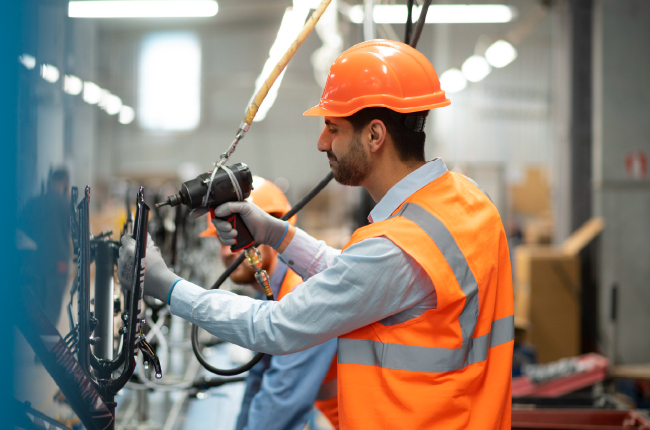
Here are some of the key safety practices you should always keep in mind:
Wear the Right Personal Protective Equipment (PPE)
The first and easiest way to protect yourself is by wearing the right personal protective equipment (PPE). Here's what you should wear:
Safety goggles or face shields: These protect your eyes from metal chips, debris, and sparks.
Hearing protection: Machines can be very loud, so earplugs or earmuffs are necessary to protect your hearing.
Gloves: Gloves should be worn when handling sharp objects but be careful around moving machines as gloves can get caught.
Proper clothing: Wear long sleeves, aprons, or coveralls to shield your skin from sharp edges or hot materials.
Before starting any task, make sure your PPE fits well and is in good condition.
Inspect Machines Before Use
Before operating any machine, it’s important to check it carefully. Look for loose parts, check if the safety guards are in place, and make sure everything is working correctly. Regular inspections help prevent accidents and unexpected machine breakdowns.
If you find something wrong with the machine, report it immediately and don't use it until it’s fixed.
Keep Your Workspace Clean and Organized
A cluttered or dirty workspace can lead to accidents. Spilled oil, loose tools, or scrap metal on the floor can cause slips or trips. After each task, clean up the area and put tools back in their proper places. This helps prevent unnecessary accidents.
Make sure walkways are clear, and that emergency exits are not blocked by any equipment or materials.
Follow the Correct Machine Operating Procedures
Every machine comes with specific operating instructions, and it’s important to follow them exactly. Here are a few general tips:
Read the manual: Before using any machine, read the user manual to understand how it works and the safety guidelines.
Use the right tool for the job: Never use the wrong tool or accessory for a task. Using the correct tools reduces the chance of an accident.
Stay focused: When operating a machine, focus on the task and avoid distractions. Losing focus for even a moment can led to serious accidents.
Lockout/Tagout Procedures
Lockout/Tagout (LOTO) is a safety procedure that ensures machines are turned off and cannot be started while they are being maintained or repaired. This prevents someone from accidentally starting a machine while someone else is working on it.
Before doing any maintenance, always follow the lockout/tagout procedures to ensure the machine is safe to work on.
Use Machine Guards and Safety Shields
Machine guards and shields are installed to protect you from moving parts, flying debris, and other hazards. Never operate a machine without its safety guard. If the guard is damaged or missing, do not use the machine until it has been repaired or replaced.
Take Breaks to Avoid Fatigue
Machining tasks can be tiring, and fatigue can increase the risk of accidents. Taking regular breaks helps you stay alert and focused. Make sure to drink water, eat properly, and take short rest periods during long shifts to avoid making mistakes caused by tiredness.
Ensure Proper Training and Awareness
One of the most important aspects of machining safety is proper training. Workers should receive training on how to use each machine safely and follow safety protocols. This training should cover machine operation, emergency procedures, and general safety tips.
Regular safety training should be given to keep workers up to date with the latest safety procedures and to remind them of the importance of following these guidelines.
Be Prepared for Emergencies
No matter how careful you are, accidents can still happen. That's why it’s important to have an emergency plan in place. Make sure everyone knows where the first aid kit is located, where the fire extinguishers are, and how to exit the building in case of an emergency.
In case of an accident, it’s important to know how to report it and where to find help quickly.
Build a Culture of Safety
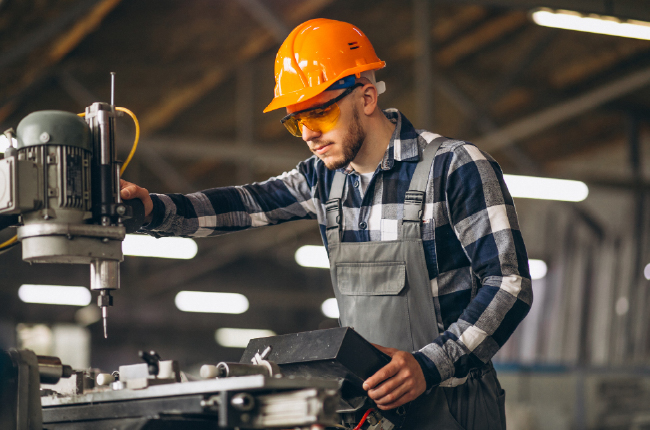
Machining safety isn’t just about following rules; it’s about making safety a priority in every part of the job. Encourage open communication about safety issues, report hazards as soon as they are noticed, and always look out for the safety of others in the workspace.
Creating a work environment where safety is valued by everyone reduces accidents and makes the workplace more efficient.
Supervisors and managers should lead by example by following all safety rules and ensuring that workers have the right training and equipment. Regular safety meetings are also a good way to keep everyone focused on staying safe.
Wrapping Up!
Machining safety is essential to maintaining a secure, productive work environment. By following basic safety practices—like wearing PPE, inspecting machines, keeping the workspace clean, and following operating procedures—you can greatly reduce the risk of accidents.
Remember, safety is everyone’s responsibility. Whether you are new to machining or have been working in the industry for years, always keep safety in mind. It protects you, your coworkers, and keeps your work running smoothly.
So always take safety seriously, follow the best practices, and make sure your workplace is a safe one for all!