Introduction to Topology Optimization
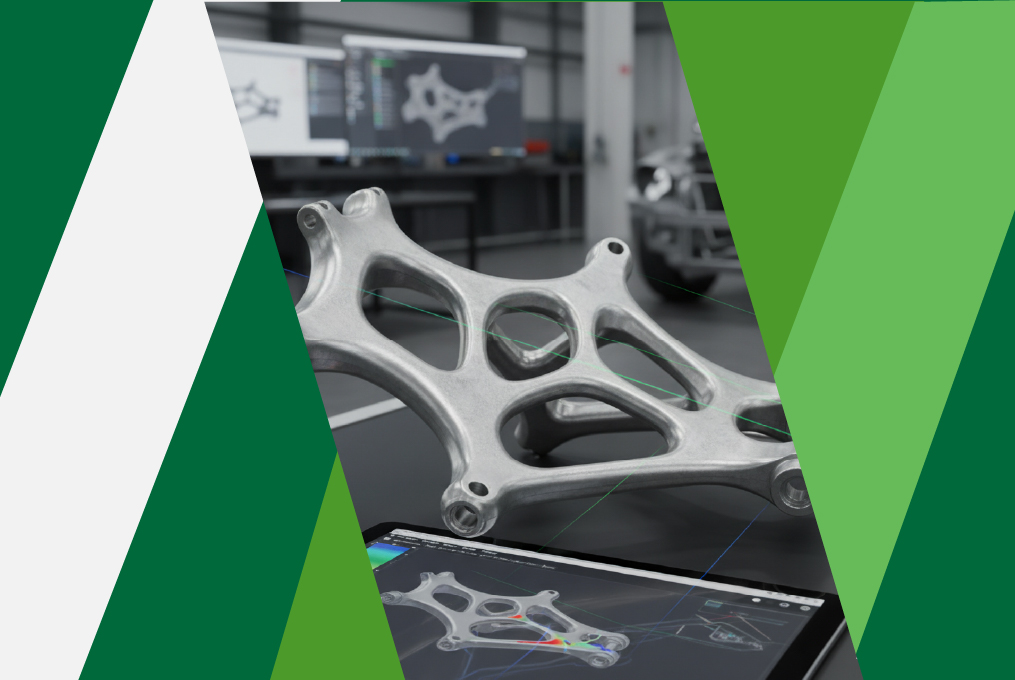
Have you ever looked at a bridge, a car, or even an aircraft and wondered how engineers decide the exact shape and structure of each part? That’s where a technique called topology optimization comes into play. Topology optimization is a powerful process that helps engineers and designers create structures that are both strong and efficient, using the least amount of material possible. It’s like giving a structure a makeover to make it lighter, stronger, and more efficient. This approach has become very popular in recent years, especially as industries focus on creating sustainable and cost-effective designs. In this blog, we’ll explore what topology optimization is, how it works, and why it's becoming a go-to technique in modern engineering. We’ll keep things simple and easy to understand, so you can see why topology optimization is such an exciting development in engineering and design.
What is Topology Optimization?
To put it simply, topology optimization is a technique used to find the best possible shape for a structure. It helps engineers figure out the most effective way to distribute material within a specific space to meet certain performance goals.
For example, if you’re designing a part of a car, you want it to be as light as possible while still being strong enough to handle everyday use. Topology optimization helps by telling you where material is needed most and where you can reduce or remove material without compromising the part’s strength.
The technique involves a lot of math and computer modeling. Engineers set up a “design space,” which is essentially a 3D model of the area where the material can go. Then, using software, they set certain rules or goals, like how much weight the part should bear or how light it should be. The software then tries thousands of possibilities, testing each one to find the best shape that meets all these conditions.
Why Use Topology Optimization?
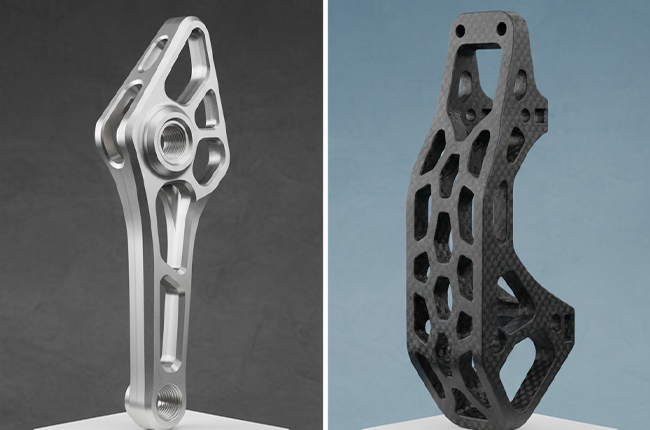
You might wonder why engineers would go through all this effort instead of just designing things the traditional way. There are several key benefits to topology optimization:
Material Savings: It helps to reduce the amount of material used, which can save a lot of money, especially for large-scale production.
Lighter Parts: Lighter parts are especially valuable in industries like aerospace, automotive, and transportation. Lighter planes and cars consume less fuel, making them more efficient and environmentally friendly.
Strong and Sturdy Designs: Even though topology-optimized designs use less material, they are usually as strong—or sometimes even stronger—than traditional designs.
Sustainability: Using less material also means a lower environmental impact. Less material production means fewer resources consumed and less waste.
How Does Topology Optimization Work?
Topology optimization follows a step-by-step process that usually goes like this:
Define the Design Space: Engineers start by defining the shape and area in which they can add material. This is like setting boundaries for the design.
Set Goals and Constraints: Next, they define what they want the design to achieve (like maximum strength) and any limits it should follow (like a specific weight).
Run Simulation Software: With the design space and goals set, engineers use specialized software to run simulations. The software tries out many different arrangements of material within the design space to find an optimal structure.
Analyze and Refine: The software presents an optimized design, but engineers may need to tweak and refine it to ensure it meets practical requirements for manufacturing and usage.
Final Design: Once the design is tested and confirmed, it’s ready for production. Engineers can now create the part using methods like 3D printing or CNC machining.
Examples of Topology Optimization in Real Life
Topology optimization is used in many fields. Here are a few real-world examples to give you a better idea:
Aerospace: Aircraft parts are carefully optimized to be as light as possible. Even a small reduction in weight can lead to big fuel savings over time. In some cases, topology optimization has helped to reduce the weight of airplane parts by 30% or more.
Automotive: Car manufacturers use topology optimization to create parts that reduce weight without sacrificing strength. Lighter cars are more fuel-efficient, so topology optimization helps make cars more environmentally friendly.
Architecture and Construction: Bridges, towers, and buildings use topology-optimized designs to ensure stability with less material. This not only saves costs but also allows for creative and unique architectural designs.
The Role of 3D Printing in Topology Optimization
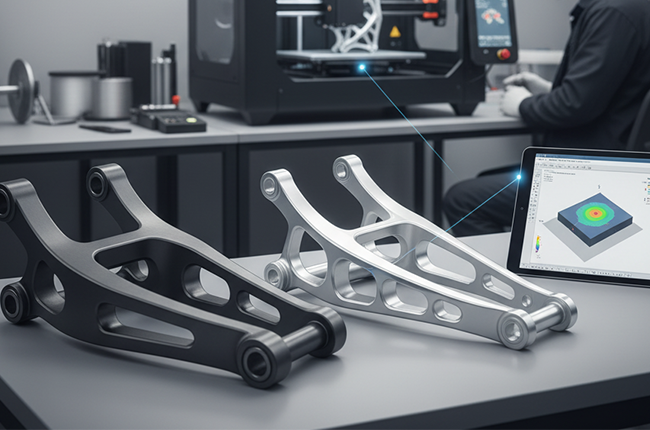
One of the exciting aspects of topology optimization is its compatibility with 3D printing. In traditional manufacturing, certain shapes can be very difficult or expensive to create. However, with 3D printing, engineers can produce complex and unique designs that would be challenging to make with traditional methods. This has opened new doors for creative, optimized designs that were once impossible to manufacture.
3D printing also allows for more sustainable production. Instead of creating excess material that’s later discarded, 3D printing builds parts layer by layer, minimizing waste.
The Future of Topology Optimization
Topology optimization is quickly becoming a standard approach in various industries. As technology advances, software is getting faster and more accurate, making topology optimization more accessible for companies of all sizes. We can expect to see even more optimized designs in everyday products, from household items to large structures.
This trend is also helping companies become more environmentally responsible. With a focus on reducing material use and improving energy efficiency, topology optimization aligns perfectly with the global push towards sustainability.
Conclusion
Topology optimization is a powerful tool for modern engineers, offering a smart way to design products that are lighter, stronger, and more efficient. This technique helps reduce costs, save materials, and push the boundaries of what’s possible in design. With the help of 3D printing and advanced software, topology optimization is leading the way toward a more sustainable future in manufacturing and engineering.
Whether you’re an engineer or just curious about modern technology, topology optimization shows how creative problem-solving can make a big difference in our world.