Improving Supply Chains with Design

Supply chains are like the lifelines for any business that deals with products. Imagine a supply chain as a series of connected steps—getting raw materials, turning them into products, and getting those products to customers. But to make sure all these steps flow smoothly, we need good design. Design can make a huge difference, helping supply chains run faster, smarter, and with fewer problems. In this blog, we’ll explore how design improves supply chains and why it’s so important for companies worldwide.
What Does "Design" Mean for Supply Chains?
When we talk about "design" in supply chains, it’s not about logos or packaging; it’s about planning how everything moves from one point to another. Good design helps decide:
Who should handle each part of the process.
Where things should be stored or sent.
How to get products from one place to another quickly and safely.
When to deliver products to meet demand without delays.
Design in supply chains also includes choosing the best routes, picking the right suppliers, and organizing warehouses. All of this means thinking ahead to reduce waste, save money, and ensure customers get what they need on time.
Why Design Matters for Supply Chains
Supply chains have become more complex, especially as companies source materials and sell products all over the world. A well-designed supply chain can:
Reduce Costs: With good planning, businesses can avoid unnecessary costs, such as high transportation fees, storage costs, or wasted materials.
Save Time: By organizing each step in the best way possible, products move faster, leading to quicker deliveries.
Improve Customer Satisfaction: When customers get their products on time, they’re happy. Efficient design helps companies meet these expectations.
Lower Risks: A smartly designed supply chain prepares for disruptions, like bad weather, supplier delays, or unexpected demand.
In short, good design doesn’t just make things look better; it makes things work better.
Key Design Strategies for Better Supply Chains

Let’s dive into some key strategies that companies use to design better supply chains.
a) Mapping the Entire Supply Chain
Mapping means creating a visual guide of each step in the supply chain. This includes everything from suppliers to warehouses to transportation routes. With a clear map, businesses can spot any weak points or delays in the process. A good supply chain map makes it easier to fix problems and plan for growth.
b) Optimizing Inventory Management
Inventory management is about having the right number of products in stock—not too much, not too little. If there’s too much stock, storage costs go up. If there’s too little, there could be delays. By designing an inventory system that tracks demand and adjusts stock levels, companies can avoid these issues. This helps keep costs down and makes sure customers get what they want without long waits.
c) Using Smart Technology
Today, technology is one of the biggest assets in supply chain design. Companies use software to predict demand, track shipments, and manage inventory in real time. With this data, they can adjust the supply chain quickly when there are changes in demand or unexpected issues. Automation and artificial intelligence (AI) are also making supply chains faster and more accurate by reducing human error.
d) Choosing the Right Suppliers
Suppliers play a big role in the success of a supply chain. If a supplier is unreliable, it can cause delays for the whole chain. Good design means carefully choosing suppliers based on quality, cost, and reliability. Some companies even work with multiple suppliers to reduce the risk of delays.
e) Improving Warehouse Layouts
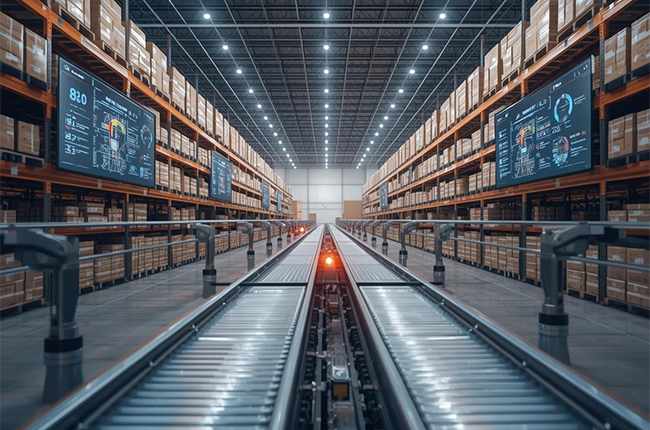
Efficient warehouses can make a big difference in the speed of a supply chain. By designing a smart warehouse layout, companies can reduce the time it takes to find and pack products. This might include organizing items based on demand, using automated picking systems, or improving storage space. A well-designed warehouse keeps things moving smoothly.
f) Creating Flexible Delivery Options
Flexibility is key in today’s fast-paced market. By designing flexible delivery options, companies can better handle changing demands. This might include using multiple shipping methods, like air and sea, to meet delivery targets. Having backup options ready means fewer delays and happier customers.
Real-Life Examples: How Design Improves Supply Chains
Some well-known companies have already improved their supply chains through good design.
Amazon: Amazon’s supply chain is known for its speed and efficiency. By using automated warehouses and smart delivery routes, they can deliver products quickly, often within hours.
Walmart: Walmart uses technology to keep track of inventory in real time. This means they always have the right amount of stock on hand and can avoid waste.
These companies are examples of how smart design can transform a supply chain, keeping costs down while meeting high customer expectations.
The Future of Supply Chain Design
As we look ahead, supply chain design will continue to evolve. We’ll see even more technology like AI and machine learning, making supply chains more efficient and adaptable. Sustainability is also becoming important. Companies are designing eco-friendly supply chains by using renewable energy, reducing waste, and finding greener ways to transport goods.
Conclusion
Design might seem like a small part of the supply chain, but it’s a powerful tool that shapes the entire process. By improving design, companies can save money, avoid delays, and keep customers happy. For any business, investing in supply chain design is worth it.
It’s about more than moving products; it’s about creating a system that works smoothly, no matter where in the world you’re operating. With the right design, companies can turn challenges into opportunities and build a supply chain that’s ready for the future.