How VMC and Turning Centers Are Revolutionizing Production
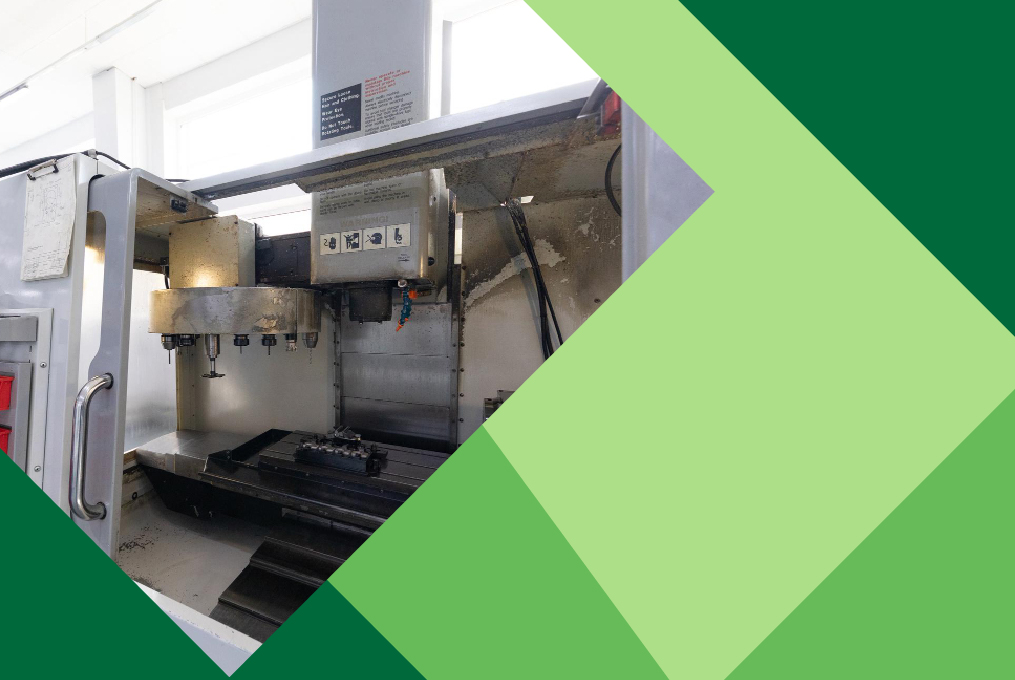
The manufacturing world is evolving faster than ever. With the growing need for precision, speed, and efficiency, industries are now depending on advanced machines like Vertical Machining Centers (VMCs) and Turning Centers. These machines are transforming how parts are made — from small components in electronics to large aerospace structures. If you’re in the manufacturing or engineering sector, understanding how VMC and Turning Centers are changing production can help you stay ahead in a competitive global market.
What Is a VMC (Vertical Machining Center)?
A Vertical Machining Center (VMC) is a type of CNC (Computer Numerical Control) machine used to cut, drill, mill, and shape metal parts. The spindle of the VMC is placed vertically, which makes it perfect for precise and detailed machining work.
VMCs are widely used in industries such as aerospace, automotive, electronics, and medical equipment manufacturing. What makes them so powerful is their ability to produce high-quality parts quickly and consistently — all controlled by advanced computer software.
What Is a Turning Center?
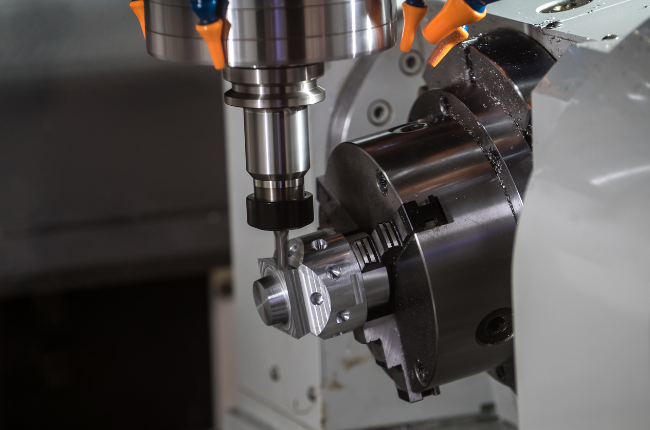
A Turning Center is another type of CNC machine but designed mainly for rotating parts. Unlike the VMC, where the tool moves around the part, in a Turning Center, the part itself rotates while the cutting tool shapes it.
Turning Centers are ideal for producing cylindrical parts such as shafts, rods, and pipes with perfect roundness and smooth finishes. With advanced multi-axis control, modern Turning Centers can handle even the most complex designs with accuracy and speed.
How VMC and Turning Centers Work Together in Production
When VMCs and Turning Centers are used together, they create a seamless and highly efficient production line.
For example:
A Turning Center can first shape a cylindrical part.
Then, a VMC can perform milling or drilling operations to add features or holes.
This combination reduces manual handling, saves time, and ensures that every part meets exact design specifications.
For industries that demand both high precision and quick turnaround times, this integration is a game-changer.
Key Benefits of Using VMC and Turning Centers in Manufacturing
1. Precision and Accuracy
Both VMCs and Turning Centers use CNC technology, meaning they follow exact digital instructions. This ensures every part is made with perfect dimensions, reducing human error.
2. Increased Productivity
These machines can run for long hours, even overnight, with minimal supervision. This continuous operation increases output and reduces production costs.
3. Faster Production Cycles
Automation and high-speed machining help in completing jobs much faster compared to manual methods. For businesses, this means quicker deliveries and better customer satisfaction.
4. Consistent Quality
Each product made through CNC VMC and Turning Centers maintains the same quality, no matter the production volume. Consistency is key, especially for industries like aerospace and automotive.
5. Cost-Effectiveness
Although the initial setup cost may be high, these machines save money in the long run by reducing labor costs, waste material, and rework time.
Industries Benefiting from VMC and Turning Centers
The impact of VMC and Turning Centers is visible across several sectors:
Aerospace: For manufacturing lightweight yet strong components with complex shapes.
Automotive: For producing engine parts, transmission systems, and custom components.
Electronics: For machining small and precise components.
Medical Devices: For creating surgical instruments and implants that require extreme accuracy.
Energy and Oil & Gas: For producing heavy-duty and high-performance parts.
These machines allow companies in every industry to maintain global production standards while reducing operational time and cost.
Technological Advancements in VMC and Turning Centers
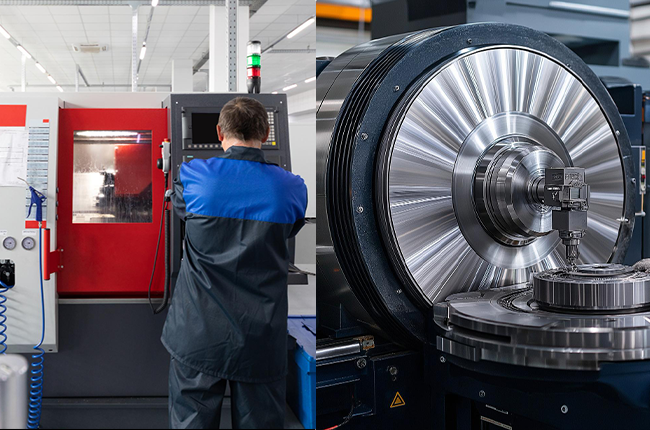
The latest VMCs and Turning Centers come with smart features that make production even more advanced:
Multi-axis machining: Enables complex operations in a single setup.
Tool monitoring systems: Prevent tool wear and breakage.
Real-time data control: Tracks performance and reduces downtime.
Automatic tool changers: Boost efficiency and flexibility.
These innovations are not only improving performance but also making manufacturing more sustainable by reducing material waste and energy consumption.
Why VMC and Turning Centers Are the Future of Production
The global manufacturing industry is shifting towards automation and precision. VMCs and Turning Centers represent this future. They are helping companies achieve:
Better design flexibility
Higher efficiency in production lines
Reduced dependence on manual labor
Enhanced scalability for large orders
With these benefits, it’s clear that investing in VMC and Turning Centers is no longer just an option — it’s a necessity for modern manufacturers who want to stay globally competitive.
Conclusion
The rise of VMC and Turning Centers is redefining manufacturing worldwide. These machines bring speed, precision, and innovation to every stage of production — helping businesses scale faster and deliver better products.
If you’re looking to improve your manufacturing process, it’s time to partner with experts who know how to use this technology to its full potential.
Contact VmakeU today to explore how our advanced machining services can transform your business!