How to Generate Ideas for Product Design

Engineering is evolving at a rapid pace, and one of the most exciting advancements is generative design. This new technology is reshaping how products are designed, making the process faster, more efficient, and highly creative. Generative design is not just a trend; it's the future of engineering, and it's changing the way we think about designing products, structures, and even entire systems. In this blog, we’ll explore what generative design is, how it works, and why it’s so important for the future of engineering.
What is Generative Design?
Generative design is an innovative approach to product design that uses algorithms and artificial intelligence (AI) to generate a wide variety of design solutions based on specific parameters and constraints. Unlike traditional design, where an engineer manually creates a product or structure based on their experience and knowledge, generative design uses computer algorithms to explore many possibilities in a very short time.
In simple terms, you tell the computer what you need—like the size, strength, materials, and other important factors—and the AI system will automatically create multiple design options for you to choose from. These designs can be more complex, efficient, and optimized than anything a human could come up with on their own.
How Does Generative Design Work?
Generative design starts with a basic idea or concept, but instead of a designer drawing the shapes and lines manually, they define the design goals and constraints. These constraints could be weight limits, material choices, strength requirements, or environmental factors. Once the parameters are set, the computer generates various design alternatives by running simulations and calculations to find the best solutions.
The AI evaluates each option based on performance and manufacturability. This means that not only do the designs meet the functional requirements, but they are also optimized for cost and ease of production. The engineer can then review the options, refine them, and select the one that best suits the project.
Why is Generative Design Important?
Generative design is important for several reasons. First, it allows for faster design iterations. Instead of spending weeks or months refining one design, engineers can quickly explore hundreds of potential solutions. This can lead to innovative designs that might not have been considered in a traditional design process.
Second, generative design helps to optimize products for performance, material usage, and manufacturing costs. Traditional design often involves trial and error, which can lead to wasted materials and time. Generative design uses data-driven simulations to ensure that every design is the most efficient possible.
Lastly, generative design opens the door to more sustainable products. By optimizing material usage and reducing waste, generative design can lead to more eco-friendly products and manufacturing processes. This is especially important in industries where sustainability is a growing concern, such as the automotive, aerospace, and construction industries.
Applications of Generative Design in Engineering
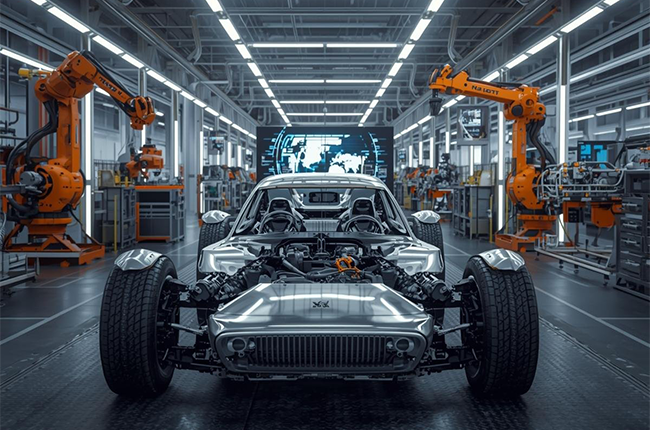
Generative design has already made a significant impact in various engineering fields. Here are some of the industries where it’s being used:
1. Aerospace
In the aerospace industry, weight is a critical factor. The lighter the components, the more efficient the aircraft is. Generative design has helped engineers create lighter and more efficient parts, leading to cost savings and better fuel efficiency. For example, NASA used generative design to develop a lighter, stronger, and more efficient engine bracket, which would have been impossible to create with traditional methods.
2. Automotive
The automotive industry has also embraced generative design to create lighter, stronger, and more fuel-efficient vehicles. Companies like General Motors are already using generative design to produce car parts that are optimized for performance and cost. For example, GM used generative design to create a lightweight seat bracket that was 40% lighter than the original design but just as strong.
3. Construction
In construction, generative design can help optimize the design of buildings and structures. By considering factors like load-bearing requirements, materials, and environmental impact, generative design can create more efficient and sustainable building designs. For example, a generative design algorithm might generate the most efficient shape for a building frame, minimizing the amount of steel or concrete needed while still maintaining strength.
4. Consumer Products
Generative design is also being used in the design of everyday consumer products, from furniture to electronics. By using generative design, manufacturers can create products that are both functional and aesthetically pleasing, while also being optimized for cost and sustainability.
The Benefits of Generative Design
Generative design offers several benefits over traditional design methods:
Faster Design Process: Instead of manually creating and testing designs, generative design allows engineers to quickly generate and test multiple solutions.
Cost and Material Efficiency: Generative design helps reduce material waste by optimizing the use of materials, leading to cost savings.
Innovation: By exploring a wide range of design options, generative design encourages innovation and new ideas that might not have been considered with traditional methods.
Customization: Generative design can create highly customized products tailored to specific needs, making it ideal for industries where personalization is important.
Sustainability: The process reduces waste and energy consumption, making it an eco-friendlier alternative to traditional design methods.
The Future of Generative Design
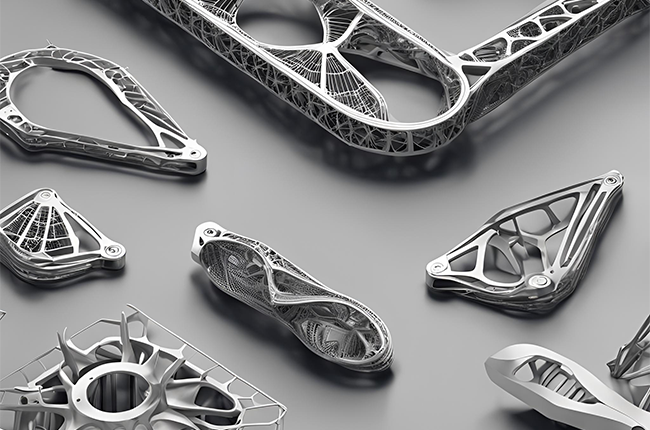
As technology continues to advance, generative design is only going to become more powerful. With the rise of artificial intelligence, machine learning, and 3D printing, generative design will allow engineers to create even more complex and optimized designs. This will open new possibilities in industries like healthcare, robotics, and energy production.
Generative design is not just the future of engineering; it’s the future of creativity in design. It allows engineers to push the boundaries of what’s possible and come up with innovative solutions that might have seemed impossible just a few years ago.
Generative design is a game-changing technology that is revolutionizing how we approach engineering. By harnessing the power of AI and simulation, engineers can create designs that are faster, more efficient, and more sustainable. As generative design becomes more accessible and widespread, we can expect to see even greater advancements in how we build and innovate in the world of engineering.