How to Design for Sustainability

Designing for sustainability is no longer just a trend; it's a necessity. With resources dwindling and environmental concerns growing, businesses and individuals alike are recognizing the importance of designing products, services, and systems in a way that benefits the planet. But what exactly does design for sustainability mean, and how can you get started? Let's investigate some simple ideas that can help you make a positive impact through sustainable design.
Understand What Sustainability Means in Design
At its core, sustainable design means creating with the future in mind. It's about thinking beyond the immediate look and function of a product and considering how it affects the environment throughout its lifecycle. This includes everything from the materials used, how it’s manufactured, and how it’s disposed of, to the energy it uses over time.
So, the first step in designing for sustainability is simply understanding that every design choice you make has a lasting impact. Once you keep that in mind, you’re already on your way to designing more sustainably.
Choose Eco-Friendly Materials
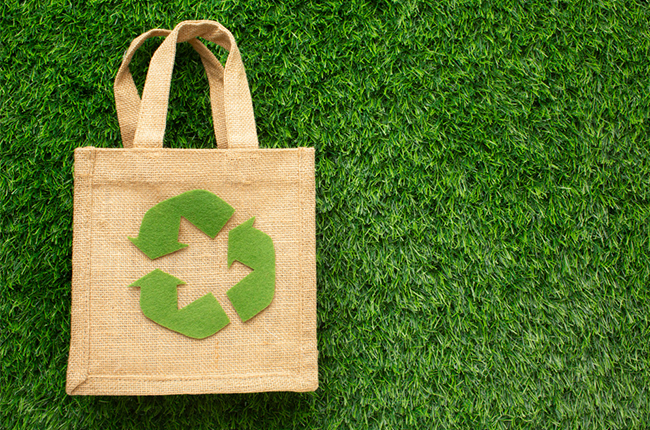
One of the easiest ways to start designing for sustainability is by choosing eco-friendly materials. Traditional materials like plastic or metals can take hundreds of years to break down, and their production often harms the environment. Sustainable materials are better because they either come from renewable sources, are biodegradable, or have a lower impact on the earth.
For example:
Biodegradable Plastics – Made from natural materials, they break down faster than traditional plastics.
Recycled Materials – Using recycled metals, glass, or plastic cuts down on the need for new resources.
Natural Fibers – Materials like bamboo, hemp, and organic cotton are renewable and often require less water and chemicals to grow.
When choosing materials, think about how easy it is to recycle them and if they can be reused for other purposes. The less we rely on non-renewable resources, the more we can contribute to a sustainable future.
Think About the Product's Life Cycle
A sustainable design doesn’t just focus on how something looks or works; it also considers the product’s entire life cycle. This means thinking about what happens to the product at every stage—from production to disposal.
For example, when designing a piece of furniture, consider these questions:
Can it be made from materials that won’t damage the environment?
How much energy does it take to make and transport?
How long will it last?
Can it be easily repaired if it breaks?
When it’s no longer usable, can it be recycled?
By thinking through these stages, you can ensure that your design remains sustainable from start to finish.
Embrace Minimalism
The less you use, the less waste you create. Minimalist design can be very sustainable because it focuses on simplicity, efficiency, and durability. Instead of creating products with multiple parts or unnecessary features, keep things simple.
Minimalist design isn’t just about having fewer elements; it’s about designing smarter and making every part serve a purpose. For instance, if you’re designing packaging, can it be made from a single, recyclable material? Can it be easy to open and dispose of? When you use only what you need, you help reduce waste, making your design more sustainable.
Make Durability a Priority
In a world where products are often made to be thrown away quickly, designing durable items is a sustainable choice. Products that last longer reduce the need for frequent replacements and keep waste out of landfills. If you’re designing electronics, for example, prioritize parts that are sturdy and long-lasting. A well-built product might cost a bit more initially, but it saves resources and money over time because customers won’t need to replace it as often.
Durability also means considering repairability. If a product can be easily fixed when it breaks, it will last longer and reduce the need for a replacement.
Focus on Energy Efficiency
Whether designing an app or a household appliance, energy efficiency should be a top consideration. Products that use less energy are better for the environment and are also cost-effective for users. For example, when designing a light fixture, using LED bulbs that consume less power is a sustainable choice. The same goes for appliances like refrigerators, washing machines, and computers, where energy-efficient options significantly reduce overall power consumption.
Encourage Reusability and Recycling

To make your design truly sustainable, consider how it can be reused or recycled. If people can reuse or repurpose a product, it has a second life, which means less waste overall. Think about multi-functional products or items that have a purpose even after their primary function is over.
For example, if you’re designing packaging, consider if it can be reused for storage or if it's made from recyclable materials. Products that can be taken apart and sorted into recyclable components are a great step toward sustainability.
Educate Your Customers
Sustainable design isn’t just about what you create; it’s also about how you communicate. Educate your customers on the benefits of your sustainable choices. Explain how they can take care of the product to make it last longer, or how to dispose of it responsibly. When people understand the positive impact of sustainable products, they’re more likely to choose them over less eco-friendly options.
For example, if you’re creating a website for an eco-friendly brand, include a section on why you chose sustainable materials or how your product’s life cycle benefits the environment. This helps build a community of like-minded individuals who care about the planet.
Conclusion
Designing for sustainability may seem like a big task, but it’s all about making small, thoughtful choices that add up to a greater impact. Whether you’re a professional designer, a business owner, or just someone looking to make eco-friendly decisions, remember that every choice you make counts.
So, start today—choose better materials, think about the full life cycle of your designs, and remember that even small, simple changes can make a big difference for our planet. Sustainability in design is not just about saving resources; it’s about creating a future where both people and nature can thrive together. Let’s all do our part to make it happen.