How to Build a Temperature-Controlled Quality Lab for Accurate Measurements

Precision starts with control. In modern industries, even a one-degree temperature change can distort results and compromise product quality. A Temperature Controlled Quality Lab provides the stability needed for repeatable, error-free testing. It ensures instruments perform under ideal environmental conditions—vital for industries like manufacturing, pharmaceuticals, and electronics. Let’s explore how you can design one that supports Accurate Measurements and long-term reliability.
Why Temperature Control Matters?
Temperature impacts almost every material and instrument in a lab. When heat changes, metal expands, and measurements shift. This makes results unreliable. A Temperature Controlled Quality Lab ensures that all instruments perform under consistent conditions, giving you dependable and repeatable results.
Industries like manufacturing, pharmaceuticals, and electronics rely on such labs to maintain quality and compliance. Without proper control, even the best instruments can produce inconsistent outcomes.
Core Components of a Temperature-Controlled Lab
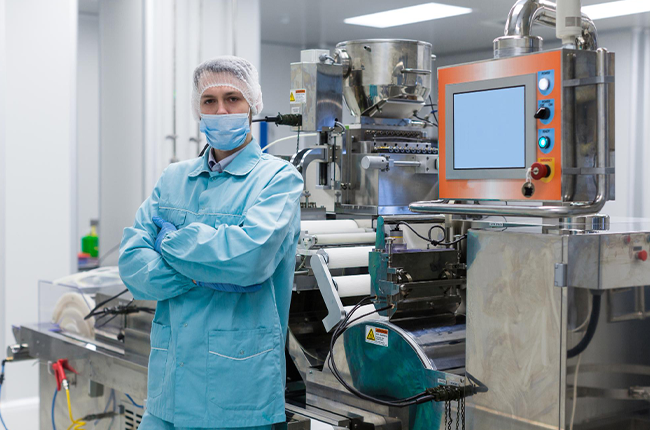
Building a Temperature Controlled Quality Lab requires the right design and systems:
Insulation: Keeps internal temperature stable.
HVAC System: Balances temperature and humidity.
Monitoring Tools: Sensors and data loggers track variations in real time.
Lighting & Layout: Proper planning prevents extra heat generation from equipment or lights.
Each component plays a role in maintaining Environmental Control in Laboratories, ensuring minimal fluctuation and high precision.
Steps to Build Your Quality Lab
Building a Temperature Controlled Quality Lab requires careful planning and precision. Every step contributes to achieving consistent, reliable, and high-quality results.
1. Define Requirements
Start by identifying the temperature and humidity range your processes need. Each test or instrument has its own environmental tolerance. Defining these parameters early helps you design the right control system and prevents costly modifications later.
2. Choose the Right Location
Pick a location with minimal exposure to sunlight, vibration, or outside air. These factors can disrupt temperature balance and measurement stability. A well-insulated, isolated space gives your Temperature Controlled Quality Lab a strong foundation for consistent performance.
3. Install HVAC and Sensors
Set up a dedicated HVAC system built for laboratory precision. It should maintain stable temperatures and humidity within narrow limits. Add sensors, data loggers, and alarms to track conditions in real time. This setup ensures complete Environmental Control in Laboratories, giving you instant alerts if parameters shift.
4. Validate the Setup
After installation, test the lab for stability and repeatability. Run temperature mapping and humidity tests across multiple days. Make sure all readings stay within your set range. Validation confirms that your environment can support Accurate Measurements under all working conditions.
5. Calibrate Instruments
Calibration is critical to achieving and maintaining precision. Regularly test and adjust instruments to ensure accurate readings under controlled conditions. Even small temperature changes can affect measurements. Frequent calibration builds reliability and trust in your results.
6. Automation & Monitoring
Modern labs use automation to simplify environmental control and improve data accuracy. Automated monitoring systems can adjust HVAC settings, log data continuously, and generate reports for audits. This real-time control reduces human error and ensures your Temperature Controlled Quality Lab always performs at its peak. Smart dashboards and AI-based alerts make it easier to detect and fix issues before they affect outcomes.
Maintenance and Best Practices
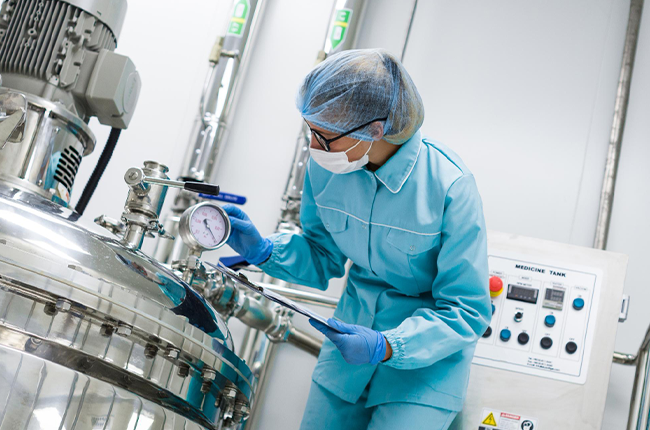
Once your Temperature Controlled Quality Lab is operational, regular maintenance keeps performing at its best.
Monitor temperature and humidity constantly.
Service HVAC systems every few months.
Avoid overcrowding instruments in one area.
Keep records of temperature logs for audits.
Good maintenance prevents small variations that could affect precision. It also keeps your Environmental Control in Laboratories consistent and reliable.
Compliance and Standards
Every Temperature Controlled Quality Lab must follow global standards like ISO/IEC 17025, which defines strict requirements for temperature, humidity, and measurement of traceability.
Compliance builds credibility and trust. It shows your lab’s commitment to precision and quality, assuring clients and auditors of reliable results.
Keep proper documentation—temperature logs, calibration data, and validation reports—to support audits and track performance. Following these standards helps maintain Accurate Measurements and ensures your lab meets international best practices.
Overcoming Common Challenges
Even the best Temperature Controlled Quality Lab faces challenges like seasonal changes, humidity shifts, and equipment heat. Planning ahead helps maintain stability and precision.
Here’s how to manage common issues:
Power Fluctuations: Use UPS or backup power to keep HVAC systems running.
Seasonal Variations: Adjust HVAC settings and test regularly.
Insulation Gaps: Seal walls and doors to prevent air leaks.
High Foot Traffic: Limit entry during sensitive testing.
Equipment Heat: Space instruments for better airflow.
Monitoring Alerts: Install sensors for instant fluctuation detection.
With proper control and quick response, your Temperature Controlled Quality Lab will stay consistent and deliver Accurate Measurements year-round.
Final Words
A Temperature Controlled Quality Lab ensures consistent results and protects data integrity. When designed right, it offers long-term accuracy and compliance. With careful planning, the right tools, and ongoing maintenance, you can create a lab that delivers precision every single time.