How Rust Affects Your Stainless Steel
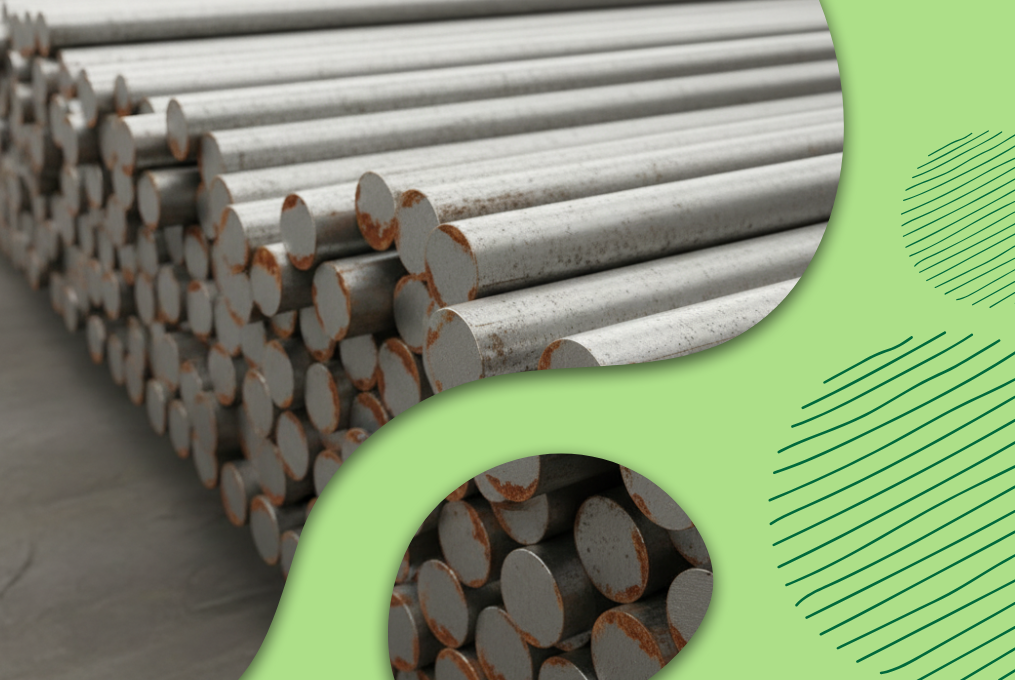
When we think of stainless steel, we imagine a shiny, rust-free surface that can withstand years of wear and tear. But did you know that stainless steel can actually rust? Yes, even though it’s made to resist corrosion, certain conditions can lead to rust formation. In this blog, we’ll dive into why stainless-steel rusts, what rust does to it, and most importantly, how you can prevent it from happening. Let’s get started!
Why Does Stainless Steel Rust?
Stainless steel is designed to be resistant to rust, thanks to the chromium in its composition. Typically, stainless steel contains around 10.5% or more chromium. This chromium reacts with oxygen in the air to form a thin, invisible layer of chromium oxide on the surface. This layer acts like a shield, protecting the metal from moisture and preventing rust. However, if this protective layer is damaged or if certain conditions are present, rust can still occur.
Here are some common reasons why stainless steel might rust:
Exposure to Harsh Environments: If stainless steel is exposed to saltwater, chemicals, or high humidity, it’s more likely to rust. These elements can break down the protective chromium layer, allowing rust to form on the surface.
Scratches or Damage: Any physical damage, like scratches, dents, or even fingerprints, can weaken the chromium oxide layer. When this layer is damaged, moisture and oxygen can reach the steel underneath, leading to rust.
Low Chromium Content: Not all stainless steel is created equal. Some types contain less chromium, which means they have a weaker protective layer. This makes them more vulnerable to rust, especially in challenging environments.
Poor Cleaning Practices: Using the wrong cleaning products or failing to clean stainless steel regularly can lead to rust formation. Some cleaning chemicals are too harsh and can damage the protective layer, leaving the steel exposed to corrosion.
How Does Rust Affect Stainless Steel?
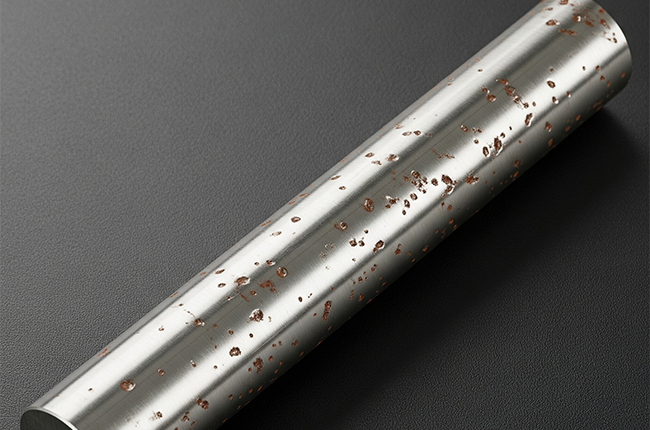
Now that we understand why stainless steel rusts, let’s look at what rust actually does to stainless steel. Rust affects stainless steel in a few important ways:
Loss of Appearance: Rust can make stainless steel look dull, worn, and unattractive. The shiny surface you expect from stainless steel may become blotchy or discolored due to rust. This can be a big issue for applications where appearance matters, like kitchen appliances or decorative fixtures.
Weakening the Material: Over time, rust eats away at the steel, which can weaken its structure. For example, if stainless steel is used in construction or machinery, rust could reduce its strength and durability. In the long run, this can lead to cracks or even breakage, which can be dangerous in certain applications.
Health and Hygiene Concerns: In places like kitchens or hospitals, rust can be a hygiene risk. Rusty surfaces can harbor bacteria, which could contaminate food or medical equipment. That’s why it’s crucial to keep stainless steel clean and rust-free, especially in places where hygiene is a priority.
Tips to Prevent Rust on Stainless Steel
The good news is that rust on stainless steel can be prevented with a few simple steps. Here’s how you can keep your stainless steel looking new and rust-free:
Regular Cleaning: Regularly cleaning stainless steel with mild soap and water is one of the best ways to prevent rust. Avoid using harsh chemicals or abrasive scrubbers, as these can damage the protective layer.
Use the Right Cleaners: Some cleaners are specially designed for stainless steel. These cleaners help maintain the chromium oxide layer while removing dirt, grease, and fingerprints. Look for non-abrasive cleaners and avoid bleach, which can damage the surface.
Avoid Scratches and Damage: When using stainless steel, try to avoid scratching or denting the surface. For example, if you’re cleaning with a brush, choose a soft-bristled one instead of a rough one. Minimizing physical damage will help keep the protective layer intact.
Rinse with Clean Water: If your stainless steel is exposed to saltwater or chemicals, rinse it thoroughly with clean, fresh water to remove any residues. Then, dry it off with a soft cloth. This is particularly important for stainless steel used outdoors or in coastal areas.
Apply Protective Coatings: In environments where rust is more likely to form, you can add a protective coating to your stainless steel. Some wax or oil-based coatings can help create an extra barrier, reducing the chances of rust.
Choose the Right Grade of Stainless Steel: If you know that the stainless steel will be used in a tough environment, choose a grade with higher chromium content or one specifically designed for corrosion resistance. For example, marine-grade stainless steel (often called 316 stainless steel) is highly resistant to rust and is ideal for outdoor or coastal use.
What to Do if Rust Appears on Stainless Steel
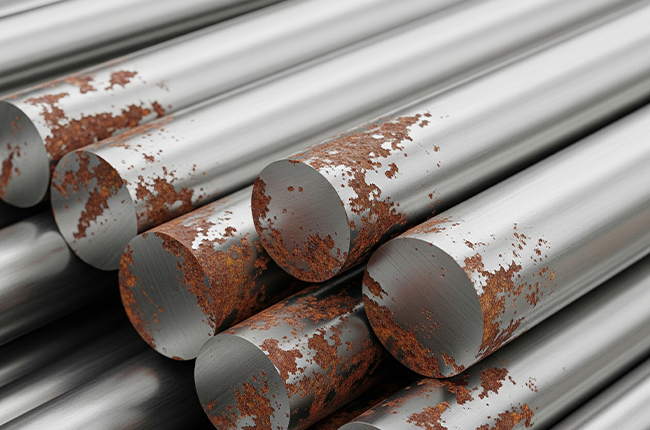
If you notice rust forming on your stainless steel, don’t panic. Here’s how you can remove it and restore the surface:
Try a Baking Soda Paste: A paste made of baking soda and water can be applied to the rusted area. Gently scrub with a soft cloth or sponge, rinse with water, and dry thoroughly.
Use White Vinegar: White vinegar is also effective for removing rust. Soak a cloth in vinegar, apply it to the rusted area, let it sit for a few minutes, then wipe it off. Rinse and dry as usual.
Commercial Rust Removers: There are many rust-removal products available that are safe for stainless steel. Be sure to follow the manufacturer’s instructions, and rinse thoroughly to prevent any residue from damaging the steel.
Final Thoughts
While stainless steel is known for its resistance to rust, it’s not completely immune. Understanding why rust forms and how to prevent it can go a long way in keeping your stainless steel looking great and performing well.
Regular maintenance, careful cleaning, and choosing the right grade for your environment are simple steps that make a big difference. By following these tips, you can ensure that your stainless steel remains rust-free for years to come, adding both beauty and durability to any space or project.
Keep your stainless-steel shining and remember: a little care goes a long way in preventing rust!