How Predictive Maintenance Influences Engineering Design
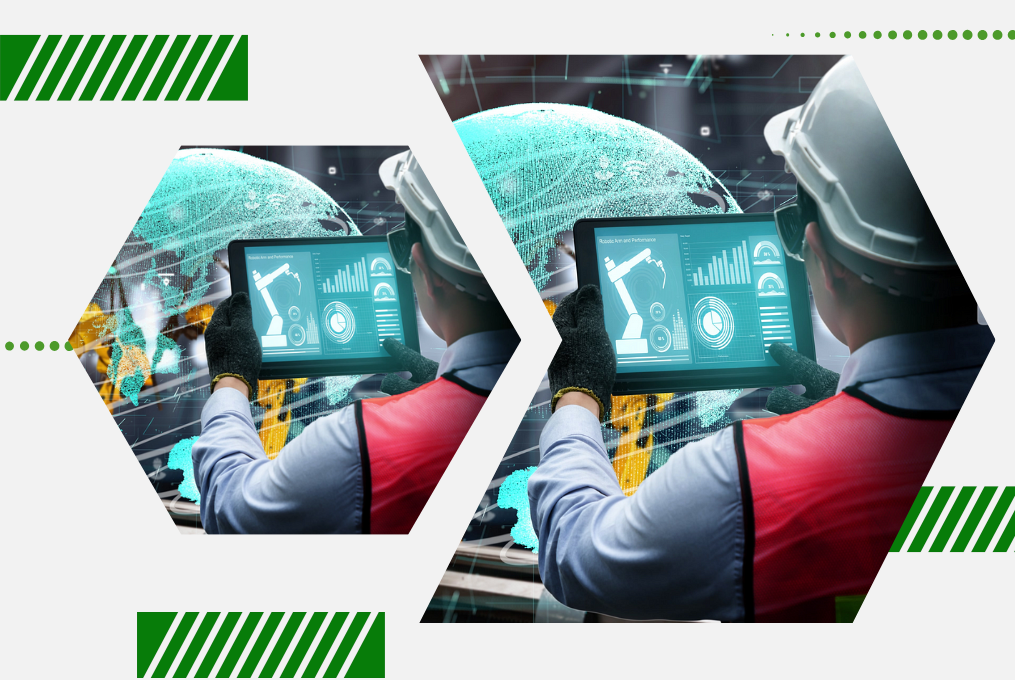
Gone are the days of relying only on fixed maintenance schedules. With Predictive Maintenance, industries now use live data to prevent failures and shape smarter engineering designs that extend product life and improve performance. This shift doesn’t just cut costs—it also changes how engineers think about design. By connecting sensors, analytics, and smart systems, predictive methods are helping engineers create products that last longer, perform better, and adapt to the future.
What is Predictive Maintenance?
Predictive Maintenance refers to monitoring equipment in real time and forecasting failures before they happen. Unlike traditional or preventive approaches, it focuses on actual machine conditions instead of assumptions. With the help of sensors and advanced analytics, it provides accurate insights into when a component is likely to fail. This knowledge allows engineers to design equipment that is easier to monitor, repair, and upgrade, setting a new standard in product reliability.
The Link Between Predictive Maintenance and Engineering Design
Engineering design today is no longer limited to drawings and prototypes. Designers must account for how machines will be maintained throughout their lifecycle. Predictive Maintenance gives engineers data-driven feedback, helping them design components that are stronger, easier to access, and better suited for real operating conditions. For example, automotive companies now design engines with sensor placements in mind, making diagnostics simpler and more accurate.
Role of Machine Learning in Predictive Maintenance
One of the biggest enablers of Predictive Maintenance is Machine Learning. By analyzing large volumes of performance data, algorithms can identify patterns that human monitoring might miss. This allows engineers to design smarter systems that can predict wear and tear automatically. For instance, turbines and robotics are now being developed with predictive algorithms built into their control systems, ensuring safety and reliability over longer operating cycles.
Condition-Based vs. Predictive Maintenance in Design
Condition-Based Maintenance reacts to real-time equipment data, while Predictive Maintenance forecasts failures before they happen. For engineers, condition data highlights weak points, guiding design improvements such as stronger parts or easier sensor access. A clear example is IoT-enabled systems, where sensors track wear and let machines adjust speed or load automatically, keeping equipment efficient and reliable.
Benefits for Engineers and Manufacturers

Integrating Predictive Maintenance into design offers multiple advantages that go beyond just cutting repair costs. It improves the entire product lifecycle, from development to customer experience.
Longer product lifespans – engineers can design components with durability in mind, using insights from real-world performance data.
Reduced downtime – manufacturers face fewer unexpected stoppages, keeping operations smooth and efficient.
Lower maintenance costs – predictive insights help prevent unnecessary repairs, saving money on spare parts and service.
Improved customer satisfaction – reliable performance builds trust and ensures equipment works when it’s needed most.
Competitive advantage – industries that adopt predictive strategies early gain efficiency and reliability benefits over competitors.
Challenges and Future Directions
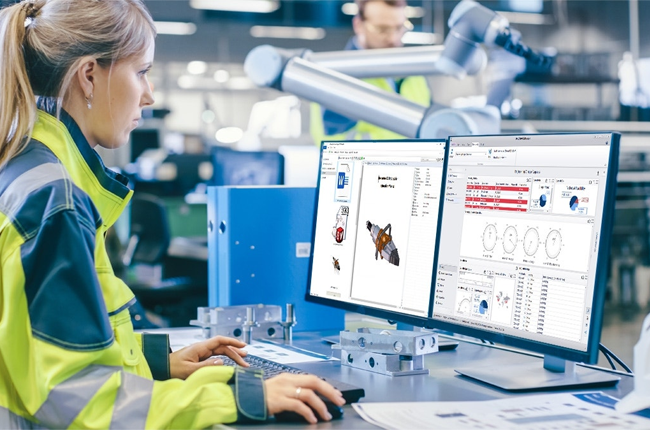
While the benefits are strong, the adoption of Predictive Maintenance in engineering design still comes with challenges that need to be addressed for long-term success.
Data management – large volumes of sensor data require proper storage, processing, and analysis systems.
High implementation cost – advanced sensors, connectivity, and analytics demand significant upfront investment.
Standardization issues – industries still lack universal guidelines for integrating predictive methods across different sectors.
Technology evolution – progress in analytics, AI, and smarter materials will make predictive design more practical and affordable.
Future outlook – the next generation of industrial products will likely include predictive features as a built-in standard.
Final Thoughts
Predictive Maintenance is no longer just a maintenance strategy—it is shaping the very foundation of engineering design. With support from Machine Learning and Condition-Based Maintenance, engineers can now create smarter, safer, and more efficient systems. By planning for real-time insights from the very beginning, industries are designing products that perform better and last longer, setting a new benchmark for modern innovation.