How Precision Stamping and Drawing Improve Product Consistency
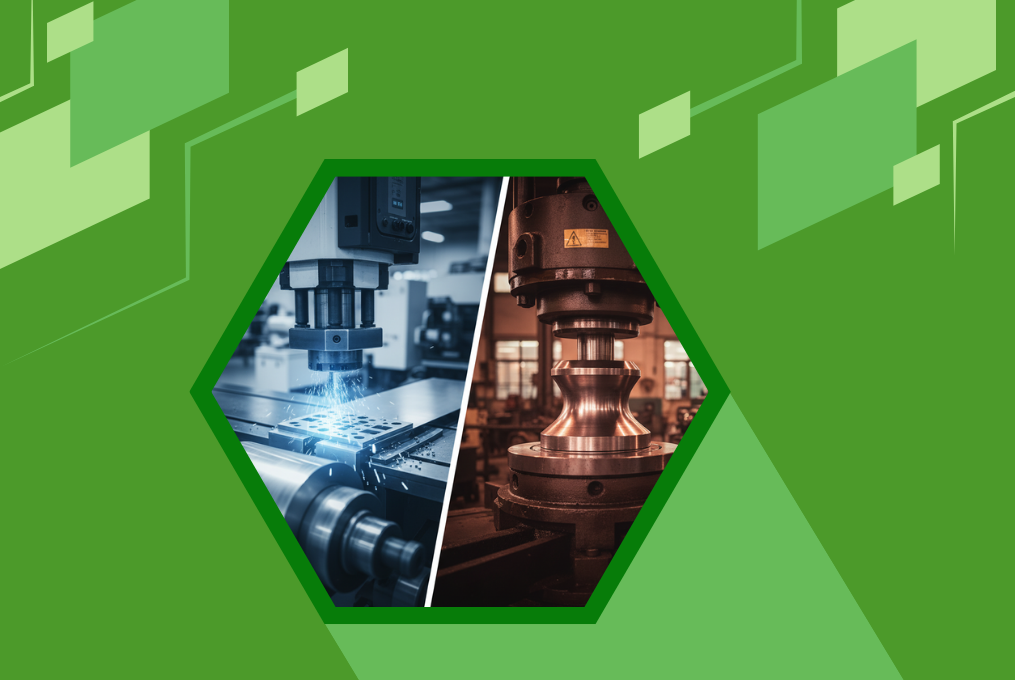
Whether it’s in automotive, aerospace, electronics, or consumer goods, every component must meet exact standards. This is where precision stamping and drawing come into play. These processes are not just about shaping metal — they are about creating reliable, repeatable, and accurate parts every single time. In this blog, we’ll explore how precision metal stamping and deep drawing help improve product consistency, reduce waste, and ensure top-quality production.
What Is Precision Stamping?
Precision stamping is a manufacturing process that uses high tonnage presses and specially designed dies to shape sheet metal into precise components. These components can range from small electronic contacts to large automotive panels.
The key to precision stamping lies in accuracy and repeatability. Each stamped part is almost identical to the last, which is vital for mass production and product reliability.
Main Benefits of Precision Stamping
High accuracy: Tight tolerances ensure consistent part quality.
Faster production: Automated machines create thousands of identical parts quickly.
Lower cost per unit: Ideal for large-volume production.
Less material waste: Optimized cutting reduces scrap.
These benefits make precision stamping a favorite among global manufacturers looking for quality and efficiency.
Understanding the Deep Drawing Process
Deep drawing is another essential metal forming technique. In this process, a metal sheet is stretched into a die to create hollow or cup-shaped parts. It’s commonly used for producing items like automotive fuel tanks, kitchen sinks, or aerospace components.
The beauty of deep drawing lies in its ability to maintain uniform wall thickness and strength across the entire product. It also allows for creating complex shapes without seams, joints, or welding — all of which can affect consistency.
Why Deep Drawing Is Important for Product Consistency
Smooth surface finish: Ensures better performance and aesthetics.
Strong structure: The metal’s grain flow remains intact, giving more durability.
Repeatability: Each part formed is identical, even in large batches.
How Precision Stamping and Drawing Improve Product Consistency
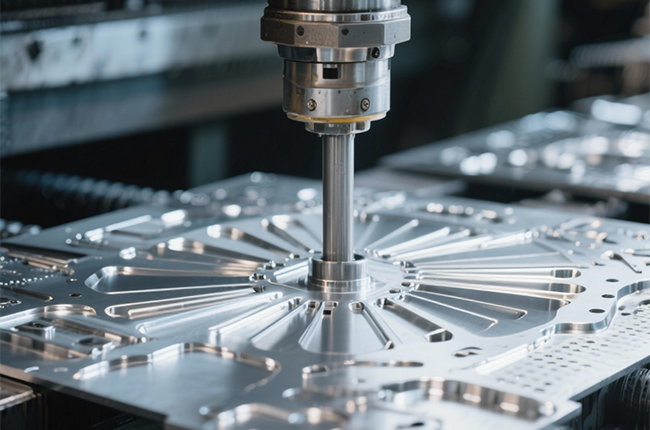
Let’s dive into how these two metal forming techniques directly contribute to consistent and high-quality products.
1. Tight Tolerances Mean Fewer Errors
Precision stamping and deep drawing operate with extremely tight tolerances. This means every part is created within exact measurements, minimizing dimensional variations. The result? Components fit perfectly during assembly, reducing rework or rejection rates.
2. Automated Production for Uniform Results
Automation plays a big role in both stamping and drawing. With computer-controlled machines and smart sensors, the process stays consistent from start to finish. Automation ensures uniform pressure, speed, and positioning, leading to identical outputs every time.
3. Consistent Material Flow
In deep drawing, controlling how the metal flows during forming is critical. Precision tools ensure that the metal stretches evenly without tearing or thinning. This control results in stronger and more reliable parts.
4. Reduced Human Error
By minimizing manual handling and relying on automated machinery, the chances of human error go down significantly. This not only improves productivity but also maintains steady product quality across every batch.
5. Enhanced Quality Control
Modern manufacturers use real-time monitoring systems in stamping and drawing operations. These systems track dimensions, surface quality, and mechanical strength, allowing quick adjustments when needed. It’s a perfect blend of technology and precision engineering for consistent results.
Industries That Rely on Precision Stamping and Drawing
The use of precision stamping and drawing extends across multiple industries worldwide.
Automotive Industry: Producing engine components, connectors, and body panels that meet strict safety and performance standards.
Aerospace Industry: Manufacturing lightweight yet strong components that require exact shapes and thickness.
Electronics: Creating tiny, precise parts like terminals and connectors.
Medical Devices: Ensuring parts are consistent, clean, and reliable for sensitive applications.
Consumer Products: From kitchenware to hardware tools, every product benefits from dimensional accuracy.
In all these industries, product consistency means brand reliability, and that’s exactly what precision stamping and drawing deliver.
The Role of Advanced Technology in Precision Manufacturing
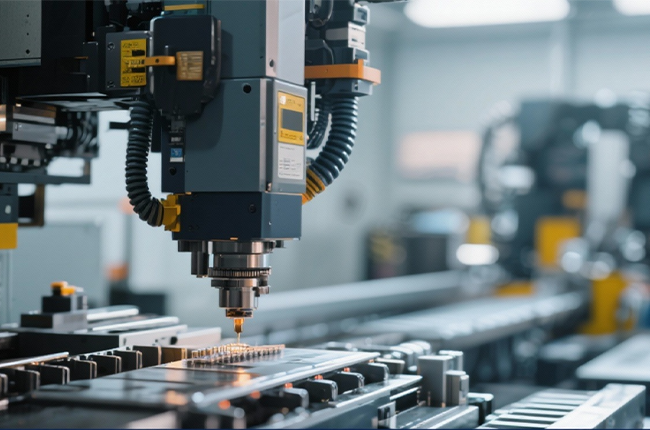
Modern CNC machinery, laser cutting tools, and automated inspection systems have taken precision stamping and drawing to new heights. Computer-aided design (CAD) and computer-aided manufacturing (CAM) allow engineers to design and simulate the entire process before production begins.
This technology-driven approach helps in:
Predicting material behavior.
Reducing waste and defects.
Maintaining dimensional uniformity.
Increasing production speed without losing quality.
By combining innovation and precision, manufacturers can now achieve global standard quality at competitive costs.
Why Product Consistency Is the Key to Global Competitiveness
For international clients and industries, product consistency is not just a manufacturing goal — it’s a competitive advantage. When every part fits perfectly, performs reliably, and meets quality standards, businesses build trust and brand reputation across markets.
Inconsistent parts can cause delays, quality issues, and customer dissatisfaction. But with precision stamping and drawing, manufacturers can promise — and deliver — the same excellence every time, no matter the scale.
Conclusion: Precision Is the Foundation of Reliability
To sum up, precision stamping and drawing play a vital role in ensuring product consistency, durability, and quality. From automotive to aerospace, these advanced metal forming processes help businesses maintain global standards while optimizing cost and time.
If your business demands high-quality metal components with consistent performance, it’s time to partner with a trusted precision manufacturing expert.