How Multi-Axis CNC Machines Cut Time & Costs
Manufacturing industries around the world are under constant pressure to improve efficiency, reduce costs, and deliver high-quality products faster. One of the best solutions to achieve this is through multi-Axis CNC machines. These machines have changed how modern manufacturing works, helping industries make complex parts quickly and with high precision. In this blog, let’s explore how multi-Axis CNC machining helps save both time and cost, while improving production quality and efficiency for global manufacturers.
What is a Multi-Axis CNC Machine?
Before we go deeper, let’s understand what multi-Axis CNC machines are.
Traditional CNC machines, like 3-axis ones, move cutting tools in three directions—X, Y, and Z. But a multi-Axis CNC machine can move and rotate the tool or workpiece in additional directions—like 4, 5, or even more axes.
For example, a 5-Axis CNC machine can work from five sides of a part of one setup. This advanced movement allows for more accurate, detailed, and complex machining operations that would take much longer with standard machines.
1. Multi-Axis CNC Machining Reduces Setup Time
One of the biggest advantages of multi-Axis CNC machining is the reduced setup time.
With a regular CNC machine, operators often need to stop the process, reposition the part, and start again to machine on different sides. Each setup takes time and increases the chances of human error.
In contrast, a multi-Axis CNC machine can complete multiple operations in one go. The part doesn’t need to be moved or adjusted multiple times, which means fewer interruptions and much faster production.
Result: You save valuable hours that can be used to complete more projects and meet delivery deadlines easily.
2. Higher Precision and Accuracy Save Rework Costs
Every manufacturer knows that rework costs can quickly add up. When a part doesn’t meet quality standards, it wastes both time and materials.
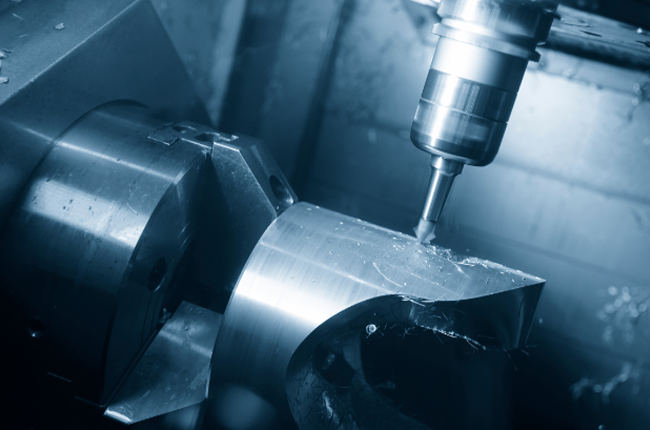
Multi-Axis CNC machines are known for their extreme accuracy. They can achieve tight tolerances, often within microns, because all sides of a part are machined in one continuous setup. This reduces alignment errors and ensures consistent quality.
Result: Less scrap, fewer rejected parts, and lower rework costs—all leading to better profit margins.
3. Multi-Axis CNC Machines Increase Productivity
When a machine can cut, drill, and mill multiple sides of a component at once, the production rate increases naturally.
Multi-Axis CNC machining allows manufacturers to handle complex parts in less time, without sacrificing precision. This means more parts can be produced in a single shift, leading to higher output and faster order completion.
For industries like aerospace, automotive, or electronics—where timelines are tight—this improve in productivity can make a major difference in overall efficiency.
4. Reduces Labor Costs and Human Errors
Manual machining or even 3-axis CNC setups often require constant operator attention. But multi-Axis CNC machines can run automated programs with minimal supervision.
Once the program is loaded, the machine performs all the operations by itself—cutting, shaping, and finishing parts with perfect precision.
This automation not only reduces the need for multiple skilled operators but also cuts down on human error.
Result: Lower labor costs and consistent, high-quality output—every single time.
5. Multi-Axis CNC Machining Maximizes Material Utilization
Material waste is another hidden cost in manufacturing. Traditional machines often involve multiple setups that lead to more waste during adjustments.
Multi-Axis CNC machining solves this problem by machining efficiently from different angles in one setup. The advanced tool paths and optimized cutting strategies ensure that every bit of material is used effectively.
Result: Better material utilization, less waste, and lower raw material expenses.
6. Handles Complex Parts Easily
Modern industries demand intricate designs and custom components. Whether it’s for medical implants, aircraft parts, or precision electronics, complex shapes are now the norm.
With multi-Axis CNC machines, these parts can be manufactured easily without extra fixtures or multiple setups. The ability to cut from various angles helps create detailed geometries and curved surfaces that traditional machines struggle with.
Result: Faster delivery of complex parts without compromising accuracy or design quality.
7. Faster Prototyping and Product Development
In the competitive world of manufacturing, faster product development means faster time to market.
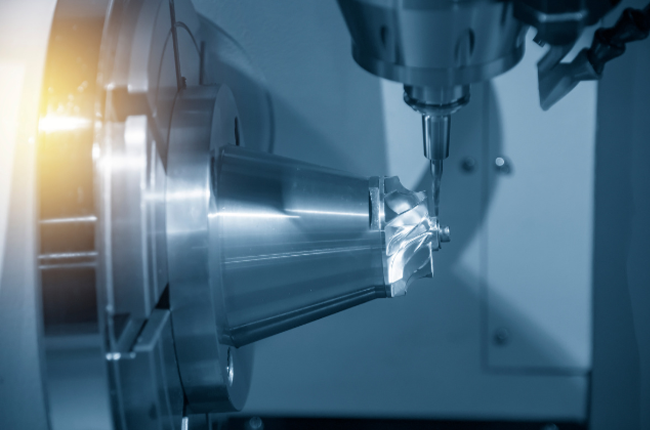
Multi-Axis CNC machining helps companies produce high-quality prototypes quickly. Designers and engineers can test new designs, make quick adjustments, and move to full-scale production faster than ever before.
Result: Reduced development cycles, quicker testing, and more innovation in less time.
8. Long-Term Cost Efficiency
While a multi-Axis CNC machine may seem like a big investment at first, it quickly pays for itself. The reduction in setup time, labor, material waste, and rework all combine to deliver huge savings over time.
Additionally, these machines last long and are built for heavy-duty, precise performance—making them a smart long-term investment for any manufacturing business.
Result: Lower operational costs and a strong return on investment (ROI) in the long run.
Conclusion
From reducing setup time to cutting down on errors, from handling complex parts to improving productivity—multi-Axis CNC machines are transforming the way industries operate.
They offer faster production, better quality, and significant cost savings, making them a must-have for manufacturers aiming to stay competitive in the global market.
If your goal is to improve efficiency and lower costs without compromising precision, then it’s time to switch to multi-Axis CNC machining.