How Generative Design is Changing the Future of Lightweight Product Development
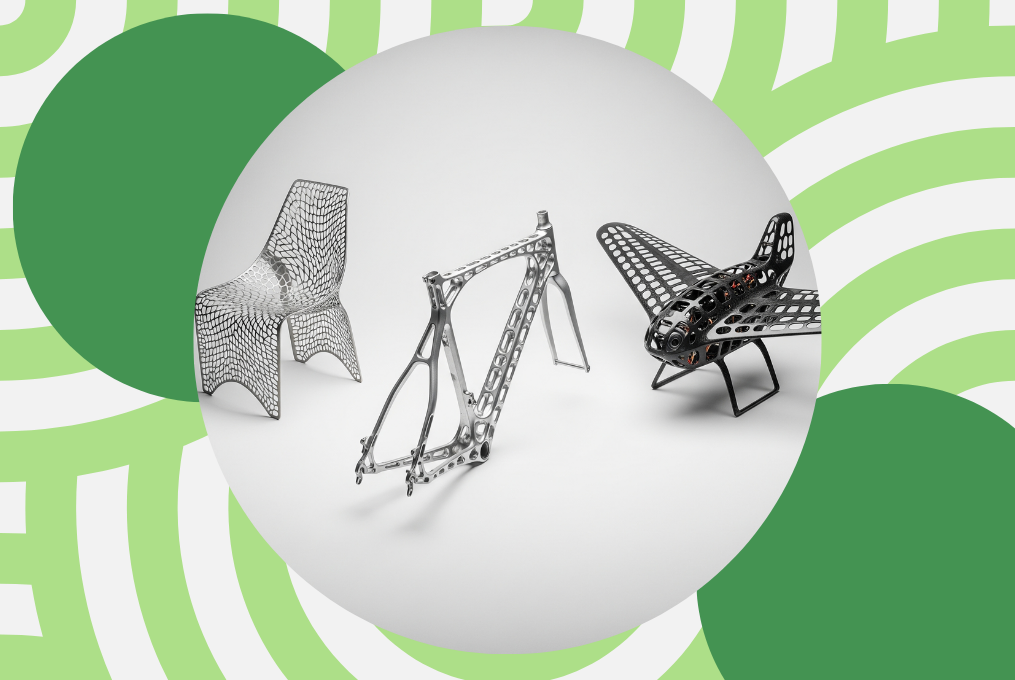
When we think about product design, one of the biggest challenges engineers and designers face today is how to create products that are strong but also light. A lighter product means less material, lower costs, better energy efficiency, and often a smaller environmental impact. This is especially important in industries like automotive, aerospace, and consumer electronics, where every gram counts. That’s where the exciting world of Generative Design comes into play, transforming the future of lightweight product development in a big way.
What is Generative Design?
Generative design is like having a super-smart digital assistant for designers. Instead of manually sketching and testing different designs, designers feed a computer a set of goals — like material type, size limits, strength requirements, and manufacturing methods. Then, the software runs thousands, sometimes millions, of simulations to come up with unique, optimized design solutions. These designs often look organic or nature-inspired, as if they were grown rather than built.
The magic lies in how generative design explores so many options in a short time — far beyond what a human designer could imagine on their own. This leads to innovative shapes and structures that are lighter, stronger, and more efficient.
Why Is It Important for Lightweight Product Development?

Lightweight products are not just a trend; they are a necessity in today’s world. Think about electric vehicles (EVs) — lighter cars mean better battery life and longer driving range. In aerospace, every extra kilo cost fuel and impacts emissions. Even in consumer goods, a lighter smartphone or laptop improves portability and user comfort.
Traditional design methods often focus on subtractive processes, where material is removed from solid blocks. This can be wasteful and inefficient. Generative design flips this idea around by focusing on adding or arranging material where it’s truly needed for strength and performance. This is crucial for the future of lightweight product development because it allows for much smarter material usage, saving costs and improving performance.
Real-World Impact: Industries Benefiting from Generative Design
Let’s look at a few industries where generative design is making a huge difference.
Automotive Industry
Several car manufacturers now use generative design to develop lightweight chassis and suspension components. These parts are not only lighter but also have improved structural performance. The result? Cars that are safer, more efficient, and more eco-friendly.Aerospace Industry
Airplanes benefit massively from generative design. Aerospace engineers use it to design parts with complex geometries that are both strong and ultra-light. Some structural parts created using generative design are up to 50% lighter than traditional designs, reducing fuel consumption and lowering emissions.Consumer Electronics
Even in the world of smartphones and laptops, companies are using generative design to reduce product weight without sacrificing strength. A lighter laptop means better portability, and a lighter phone feels better in hand and costs less to ship worldwide.Medical Devices
Generative design helps create implants and prosthetics that are not only tailored to individual patients but also lightweight and strong. This improves comfort and functionality for patients while also reducing production costs.
Sustainability and the Global Market

The future of lightweight product development is not just about efficiency and performance; it’s also about sustainability. Less material means fewer resources are consumed, and less weight often means lower energy use. For companies operating in global markets, this translates into lower shipping costs and smaller carbon footprints, which customers around the world appreciate more than ever.
Generative design is making it possible for businesses to compete on a global scale while remaining eco-friendly. Companies from Europe to Asia are adopting this technology to reduce waste and accelerate time-to-market, giving them a clear edge in today’s fast-paced industry.
Wrapping Up
Generative design is more than just a new tool — it’s a whole new way of thinking about product development. The focus on optimized material use, sustainability, and cutting-edge innovation is shaping the future of lightweight product development. Whether you’re in automotive, aerospace, consumer electronics, or medical devices, generative design helps you build smarter, lighter, and greener products for a global market.
Using this technology today means staying ahead in a competitive, environmentally conscious world tomorrow.