How Digital Thread Technology Ensures Continuity from Design to Production
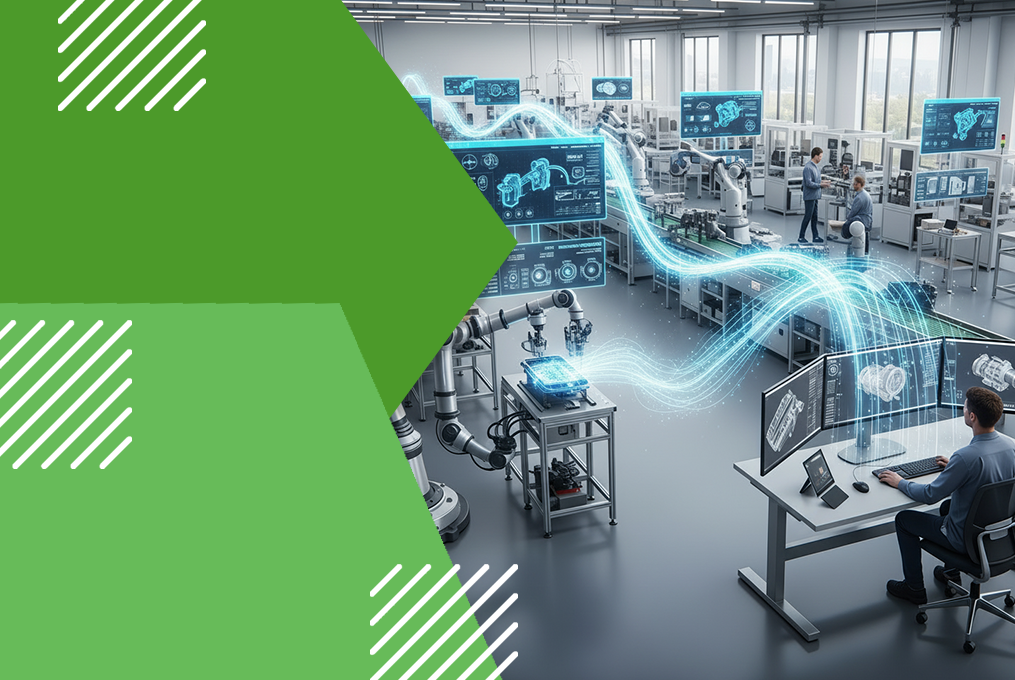
Have you ever wondered how a great idea turns into a finished product without losing its essence along the way? In today’s fast-moving world, creating new products is not just about great designs or powerful factories. It’s about keeping everything connected — from the first sketch on a computer screen to the final product on the shelf. This is where Digital Thread Technology comes into play. It helps companies worldwide maintain a smooth and continuous flow of information from design all the way to production.
What is Digital Thread Technology?
Let’s start simple. Think of Digital Thread Technology as a digital map that links every step in making a product. It connects the design, engineering, manufacturing, and even service stages by sharing data in real-time. Imagine you’re building a car. The engineer creates a design, the production team builds the parts, and the service department takes care of maintenance. Without a digital thread, these stages can feel disconnected, like separate islands. But with it, they’re all linked together, forming one continuous chain of information.
Why Do Companies Need Digital Thread Technology?
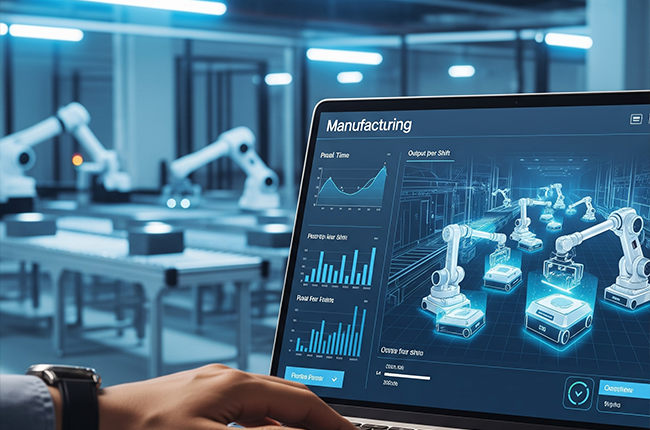
In the past, information about a product often stayed in separate silos. For example, the design team might create a blueprint, but when it was time for production, they handed over a paper or static digital file. If something went wrong during manufacturing, it took a lot of time to figure out what happened. This slowed down production and led to costly mistakes.
But the world has changed. Customers now want products faster and at lower costs. They also expect high quality. That’s why companies everywhere, whether in Europe, Asia, or the Americas, are turning to Digital Thread Technology. It helps them stay competitive by making the whole process faster, smarter, and more efficient.
How Does Digital Thread Technology Work?
Here’s a simple way to think about it. Every time someone works on the product — from the designer making the first model, to the engineer testing materials, to the factory building the part — they add important information to the digital thread. This creates a live, always-updated digital record of the product’s life.
Let’s say a designer changes the material for a smartphone case to make it lighter. That information automatically updates the digital thread. The production team sees the change instantly and adjusts their machines accordingly. No waiting for emails or meetings. Everything happens in real-time.
This connected approach helps avoid errors, reduces rework, and ensures that the final product matches the original design perfectly. It’s like having a well-organized digital diary that everyone can read and update.
Real-World Benefits of Digital Thread Technology

Better Collaboration: Teams in different countries can work together as if they are in the same room. A company in Germany can design a machine part, and a factory in India can build it, all using the same digital thread.
Faster Time to Market: Since all information flows without delay, companies can make decisions faster and produce products more quickly. This helps them respond to market demands and customer needs right away.
Higher Quality: By keeping data connected, companies reduce the risk of mistakes. This leads to better products and happier customers.
Cost Savings: Fewer errors mean fewer costly reworks or wasted materials. Plus, teams don’t need to spend extra time chasing missing data.
Who Benefits from Digital Thread Technology?
Digital thread is not just for big companies. Small and medium businesses can use it too. Whether you’re making medical devices in the USA, industrial equipment in Japan, or consumer electronics in Brazil, this technology helps ensure your product moves smoothly from idea to production.
Industries like aerospace, automotive, and electronics are leading the way because their products are complex and require close attention at every step. But even simple products can benefit. For example, a furniture maker can use the digital thread to connect designs to cutting machines in a workshop, improving speed and accuracy.
Wrapping Up
In today’s global market, staying connected is more important than ever. Digital Thread Technology plays a key role in creating a continuous flow of data from design to production. It removes the barriers between departments, locations, and time zones, helping businesses deliver better products faster and at lower costs.
So, whether you are designing the next big smartphone or creating a new industrial machine, digital thread is your secret weapon. It keeps the whole process connected, transparent, and efficient.
By using Digital Thread Technology, businesses around the world are not only improving their products but also making their future smarter.