How CMMs Enable Reverse Engineering and CAD Validation
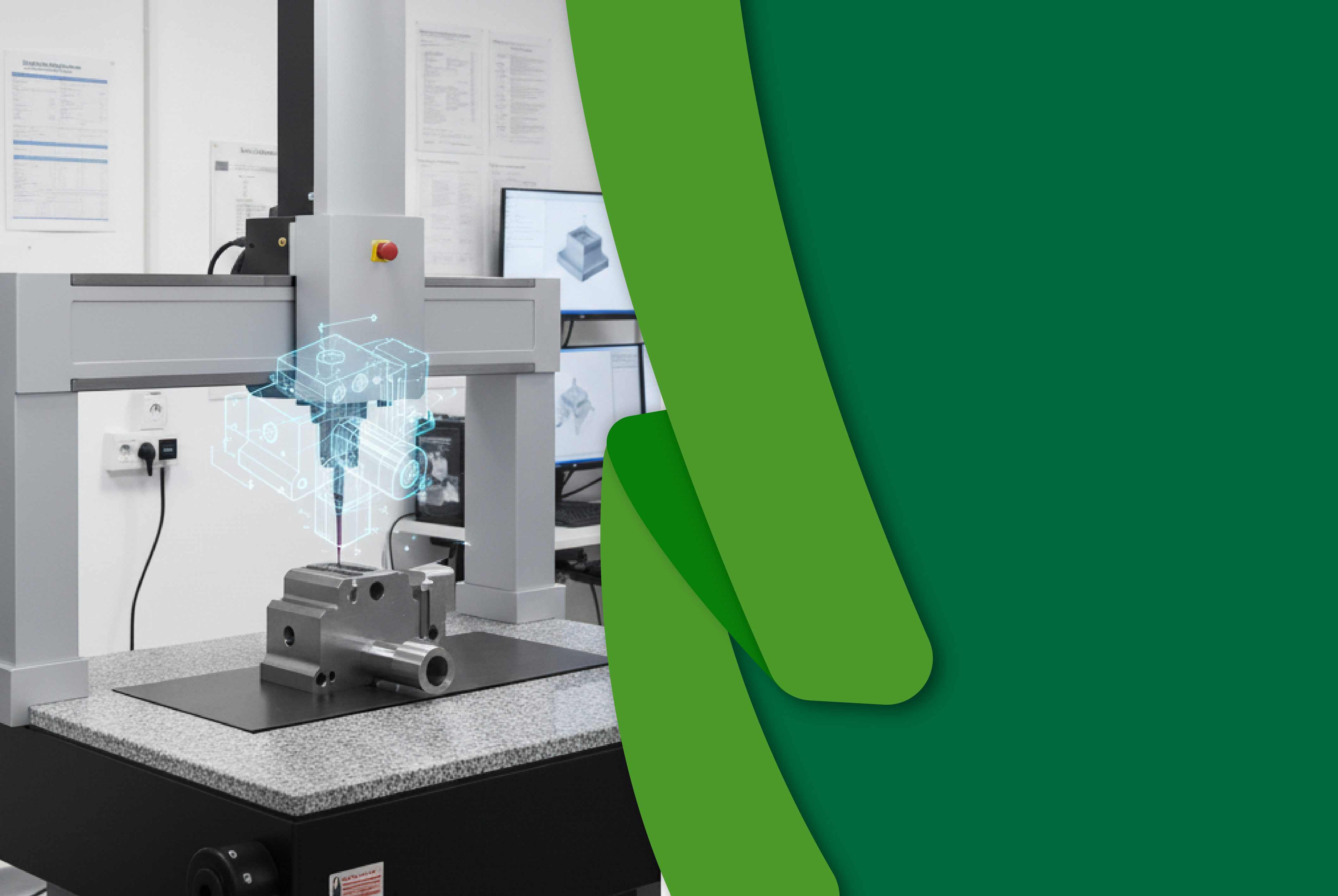
Precision and efficiency are more important than ever when it comes to the fast-paced manufacturing world. Engineers need accurate digital models to make informed decisions when developing new products or improving existing designs. This is where CMM reverse engineering comes in. Using a Coordinate Measuring Machine (CMM), engineers can capture exact 3D measurements of physical parts, recreate digital replicas, and validate designs against CAD models. The result is faster product development, reduced errors, and reliable design verification. In this blog, we explore how CMMs enable reverse engineering and CAD model validation, their benefits, and the industries that rely on them.
Understanding Reverse Engineering
Reverse engineering is the process of analyzing an existing product to recreate its design. It is widely used to develop replacement parts, improve products, or study competitors’ designs. Accurate measurements are crucial, and this is where CMM reverse engineering comes into play. By capturing exact dimensions, engineers can convert physical objects into digital models, which serve as the foundation for further design work.
Role of CMMs in Reverse Engineering
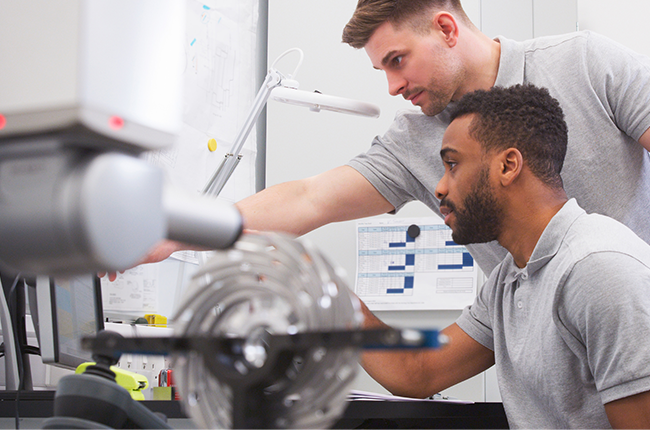
Here are the keyways a Coordinate Measuring Machine (CMM) supports reverse engineering and design accuracy:
1. Capturing Precise 3D Measurements
A CMM accurately records 3D coordinates from a part’s surface. This allows engineers to capture the exact dimensions, shapes, and intricate features of even the most complex components.
2. Creating a Digital Replica
The measurement data collected by a CMM is used to recreate a highly accurate digital model of the object. This digital replica becomes a reliable reference for design, modification, or reproduction of the part.
3. Advanced Scanning and Probing
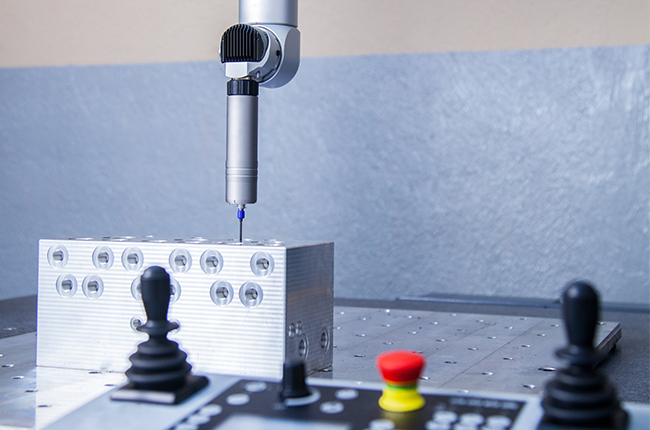
Modern CMMs come with advanced scanning and probing capabilities. Scanning collects continuous surface data, while probing ensures precise point measurements, making it easier to measure complex geometries and fine details.
4. Ensuring Design Fidelity
CMM reverse engineering guarantees that the digital model closely matches the original physical part. Capturing every nuance of the object helps reduce discrepancies and maintain design integrity.
5. Reducing Errors and Improving Accuracy
Using CMMs for reverse engineering minimizes production errors and enhances overall design accuracy. Early detection of deviations prevents costly mistakes and ensures high-quality standards throughout product development.
CAD Model Validation Using CMM
Once a digital model is ready, it must be validated against the original CAD design. CMMs allow engineers to perform CAD model validation by comparing measured data with the design specifications. Any deviations can be quickly identified and corrected, ensuring that the final product meets tolerance requirements. This process improves quality control and boosts confidence in the manufacturing workflow.
Benefits of Using CMMs for Reverse Engineering and CAD Validation
Here are the key advantages of using CMM reverse engineering in modern manufacturing and design processes:
High Accuracy: CMMs can measure parts down to the micron level, capturing every small detail with incredible precision. This ensures that both physical parts and their digital models match design specifications perfectly, leaving little room for error.
Faster Product Development: By quickly converting physical objects into detailed CAD models, CMMs significantly speed up the product development process. Engineers can work with accurate digital replicas without having to rely on manual measurements, saving both time and effort.
Reduced Errors: Automated measurements performed by CMMs minimize human mistakes that can occur during manual inspections. This improves consistency, ensures reliability, and reduces the chances of costly rework during production.
Digital Compatibility: CMMs integrate seamlessly with modern CAD/CAM systems. This allows engineers to transfer precise measurement data directly into design software for further analysis, modifications, or manufacturing planning, creating a smooth and efficient workflow.
Common Industries Utilizing CMMs
Several industries rely heavily on CMM reverse engineering to maintain high standards of design and manufacturing:
Aerospace: Engineers use CMMs to recreate legacy or custom parts that may no longer have original CAD files. This ensures that aircraft components meet strict safety and performance standards.
Automotive: Automotive companies use CMMs to validate prototype components, check tolerances, and ensure that new parts align perfectly with existing assemblies.
Medical Devices: Precision is critical in the medical field, and CMMs help verify that medical instruments, implants, and devices meet exact specifications.
Tooling and Manufacturing: In industries producing complex tools or molds, CMM reverse engineering ensures that the final products match design requirements and function flawlessly.
Final Thoughts
In conclusion, CMM reverse engineering bridges the gap between physical products and digital designs. It ensures precise CAD model validation, reduces errors, and speeds up development. Companies using CMMs can maintain high-quality standards and stay competitive in demanding markets.