How a Coordinate Measuring Machine (CMM) Guarantees Product Accuracy
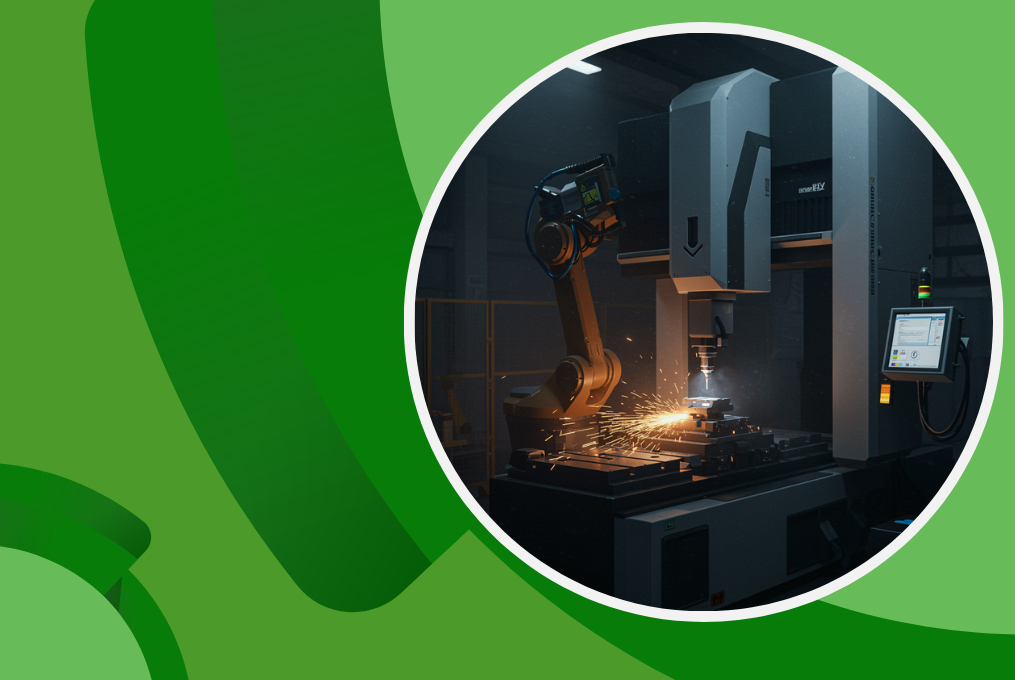
Precision and reliability are critical in modern manufacturing, and a Coordinate Measuring Machine (CMM) ensures both. This advanced tool measures parts with extreme accuracy, capturing exact X, Y, and Z coordinates to maintain product accuracy. In this blog, we explore how a CMM works, its key components, and the importance of calibration for consistent dimensional inspection. We also highlight its applications across industries like automotive, aerospace, and medical devices, and discuss the benefits of using a CMM, from reducing errors to building client trust.
What Is a Coordinate Measuring Machine?
A Coordinate Measuring Machine is a precision tool used to measure the exact dimensions of a part. It records the X, Y, and Z coordinates of points on an object to compare them with design specifications. CMMs come in different forms, including bridge, gantry, horizontal arm, and portable types, each suited for specific measurement needs.
Key Components of a CMM
A typical CMM system includes:
Probe Systems: Touch probes, scanning probes, and optical sensors capture exact measurements.
Control Software: Converts raw measurements into accurate data for analysis.
Granite Base and Measuring Table: Provide stability, preventing errors due to vibrations or uneven surfaces.
These elements work together to maintain precision and deliver consistent results.
How a CMM Ensures Product Accuracy
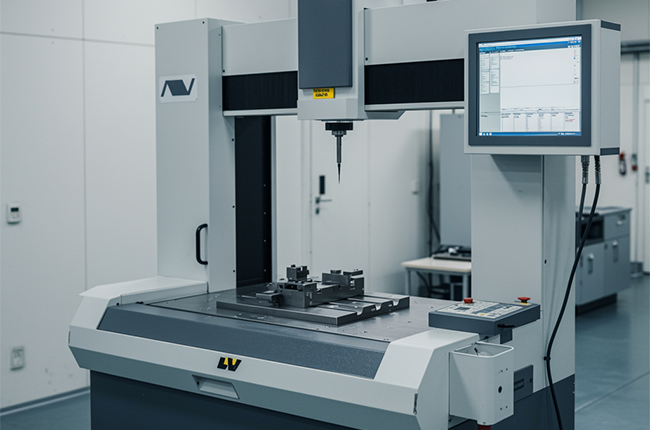
A Coordinate Measuring Machine guarantees precise measurements by following a structured process:
Probe Measurement – The CMM uses a highly sensitive probe (touch or scanning) to touch or trace the surface of the part, recording exact points in 3D space. This captures the true shape and dimensions of the object.
Software Calculation – Specialized CMM software takes the recorded points and calculates the dimensions, angles, and other geometric features of the part with high precision.
Tolerance Verification – The calculated measurements are compared against the design specifications or tolerances. This helps identify deviations, ensuring that the part meets quality standards and design requirements.
Using a CMM reduces human error, which is common in manual measurements. Its ability to provide reliable readings ensures that every component meets product accuracy standards.
Importance of Calibration and Maintenance
Regular calibration is essential for maintaining the precision of a CMM. Without it, reading can drift, affecting quality. Proper maintenance, including cleaning the probes and checking the granite base, keeps the machine reliable. A well-maintained CMM guarantees consistent performance in dimensional inspection.
Applications of CMM in Various Industries
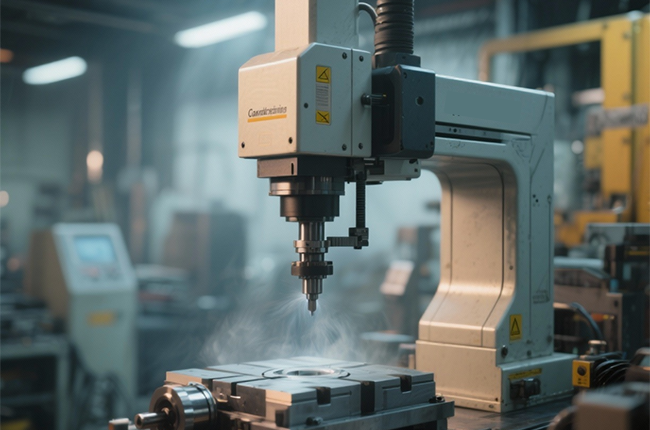
CMMs are widely used across industries that demand high precision:
Automotive:
CMMs measure engine parts and complex assemblies with high precision, ensuring perfect fit and smooth operation. This reduces mechanical failures and improves vehicle performance.
Aerospace:
CMMs verify aircraft components like turbine blades and landing gear meet strict tolerances. Accurate measurement ensures safety and reliability in flight operations.
Medical Devices:
CMMs check surgical tools and implants for exact dimensions. This guarantees proper functionality and enhances patient safety.
Precision Engineering:
CMMs inspect small, intricate parts like micro-gears and electronic connectors. Precise measurements prevent assembly errors and maintain quality standards.
Benefits of Using a CMM
Benefits of a Coordinate Measuring Machine (CMM) include:
1. Reduces production errors and scrap:
By providing precise measurements, CMMs identify defects early in the production process. This prevents defective parts from reaching assembly lines, reducing scrap and saving material costs. Companies benefit financially while improving overall efficiency.
2. Saves time compared to manual measuring methods:
Manual measurement methods can be slow and error-prone, especially for complex parts. CMMs automate the process, capturing thousands of data points quickly. This speeds up inspections and allows manufacturers to meet tight deadlines without sacrificing accuracy.
3. Provides accurate data for quality control and reporting:
CMMs generate detailed reports with precise measurements that document compliance with design specifications. This data is invaluable for quality audits, traceability, and continuous improvement programs. Manufacturers can make data-driven decisions to enhance production processes.
4. Builds trust with clients through consistent dimensional inspection results:
Clients and partners rely on consistent quality. By using CMMs to ensure accurate measurements, manufacturers demonstrate commitment to quality control. This strengthens client confidence, supports long-term business relationships, and enhances brand reputation.
Final Thoughts
A Coordinate Measuring Machine is more than just a measuring tool. It is a vital part of modern manufacturing that ensures parts meet design specifications. By integrating a CMM, companies improve product accuracy, reduce rework, and maintain a strong reputation for quality.