Heat Treatment Explained: Hardening, Tempering, Stress Relief
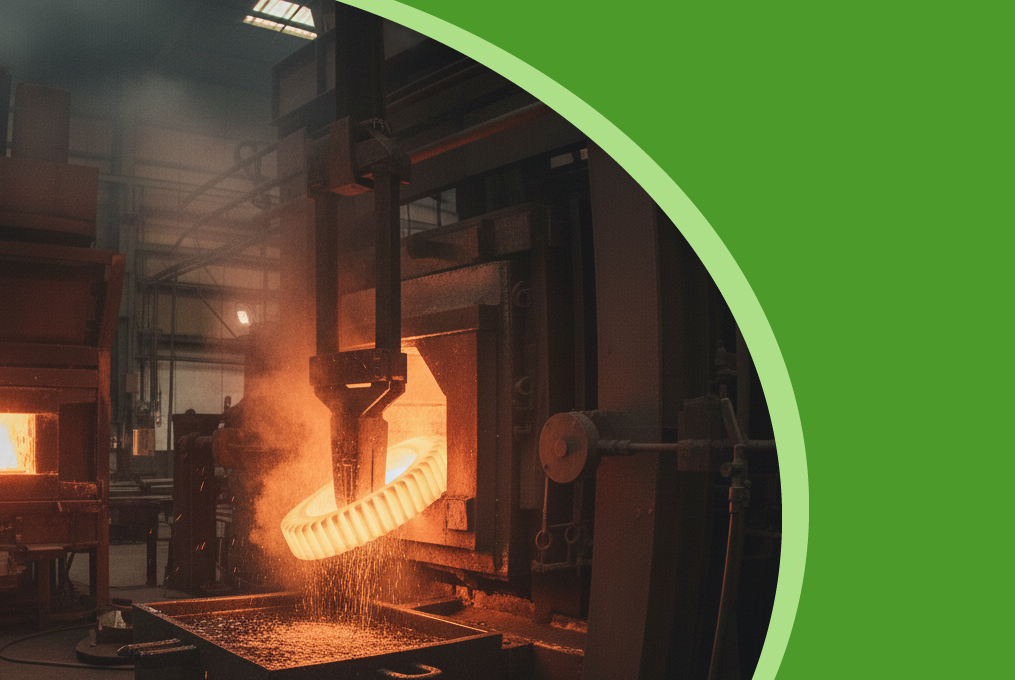
Modern manufacturing depends on strength, accuracy, and durability. Metals must perform under pressure, heat, and constant use. This is where the Heat Treatment Process plays a vital role. It changes the internal structure of metals to improve hardness, strength, and toughness. Without proper heat treatment, many components would fail quickly. This blog explains the three most important stages—hardening, tempering, and stress relief—in simple terms. You will also understand how each method improves metal performance in real-world applications.
What Is the Heat Treatment Process?
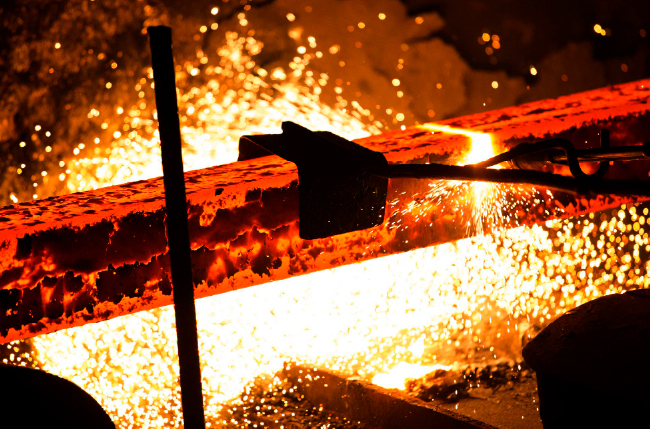
The Heat Treatment Process refers to controlled heating and cooling of metals to alter their physical and mechanical properties. It does not change the shape of the metal. Instead, it changes how the metal behaves under stress, load, and temperature.
Manufacturers use this process to:
Increase strength and hardness
Improve ductility
Reduce internal stress
Extend service life
Different industries use heat treatment daily, from automotive and aerospace to heavy machinery and medical equipment.
Hardening: Building Strength into Metal
Hardening stands as the first major step in most heat treatment cycles. It increases the hardness of metal by heating it to a specific temperature and then cooling it rapidly, usually in oil, water, or air.
The goal of hardening is simple—make the metal strong and wear-resistant. Cutting tools, gears, shafts, and bearings all rely on this method. During this stage, the metal structure changes at the atomic level. This change allows the material to resist deformation and surface wear.
However, hardening alone can make metal brittle. That is why it always works together with Hardening and Tempering of Steel. Without tempering, hardened parts would crack under impact.
Manufacturers often select hardening when components face:
High friction
Heavy load
Constant mechanical movement
The Heat Treatment Process ensures consistent hardness across batches and reduces failure rates in demanding environments.
Tempering: Restoring Balance and Toughness
After hardening, metal becomes strong but brittle. Tempering restores balance between hardness and toughness. During tempering, manufacturers heat the hardened metal to a lower temperature and then cool it slowly.
This step reduces brittleness while keeping most of the hardness intact. That is why Hardening and Tempering of Steel always work together in real applications. One builds strength. The other adds durability.
Tempering improves:
Shock resistance
Flexibility
Impact strength
Overall reliability
Without tempering, hardened steel tools would shatter instead of bending under stress. The Heat Treatment Process depends on precise temperature control at this stage. Even small changes can affect performance.
Industries like automotive and tool manufacturing rely on tempering to ensure long product life and safety.
Stress Relief: Removing Internal Metal Tensions
Machining, welding, and forming create internal stress inside metal parts. These hidden stresses can cause distortion, cracking, and early failure. Stress relief solves this problem by heating metal to a moderate temperature and cooling it slowly.
The goal here is not to change hardness but to stabilize the metal structure. Stress Relief Heat Treatment helps components maintain their shape during use. It also prevents sudden failures caused by residual stress.
Common uses include:
Welded structures
Precision machined parts
Large castings
Heavy frames and housings
Many industries perform Stress Relief Heat Treatment before final machining. This step avoids dimensional changes after manufacturing. The Heat Treatment Process becomes incomplete without proper stress control.
Why the Heat Treatment Process Matters in Manufacturing
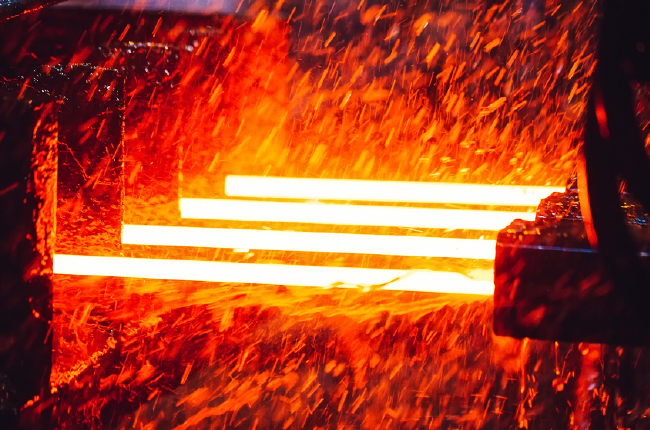
The Heat Treatment Process directly affects performance, safety, and lifespan of metal components. Proper heat treatment reduces material waste and increases reliability. It also allows manufacturers to meet strict quality standards.
Some key benefits include:
Improved mechanical strength
Controlled hardness and toughness
Reduced risk of cracking
Better wear and fatigue resistance
Stable performance under temperature changes
Each industry selects specific treatment cycles based on product function and workload. The process does not follow one single formula. Engineers design heat cycles based on material type and intended use.
Industrial Applications of Heat Treatment
The Heat Treatment Process supports almost every heavy industry today. Without it, many machines would fail within months.
Automotive industries use heat-treated parts for gears, crankshafts, camshafts, and suspension systems. Aerospace relies on treated alloys for aircraft frames and turbine parts. Medical tools need heat treatment for both strength and hygiene safety.
Even household products such as knives, hinges, and fasteners go through heat treatment cycles. The result is safer, longer-lasting products used in everyday life.
Final Thoughts
The Heat Treatment Process forms the backbone of reliable metal performance. Hardening creates strength. Tempering adds toughness. Stress relief ensures stability. Together, these three steps build components that perform under pressure and last longer.
From automotive engines to surgical tools, heat treatment quietly supports modern life. When manufacturers use the right methods, they improve safety, performance, and cost efficiency at the same time.
If your goal is to produce durable, high-quality metal parts, mastering heat treatment is not optional—it is essential.