Exploring the Properties and Applications of Liquid Oxygen
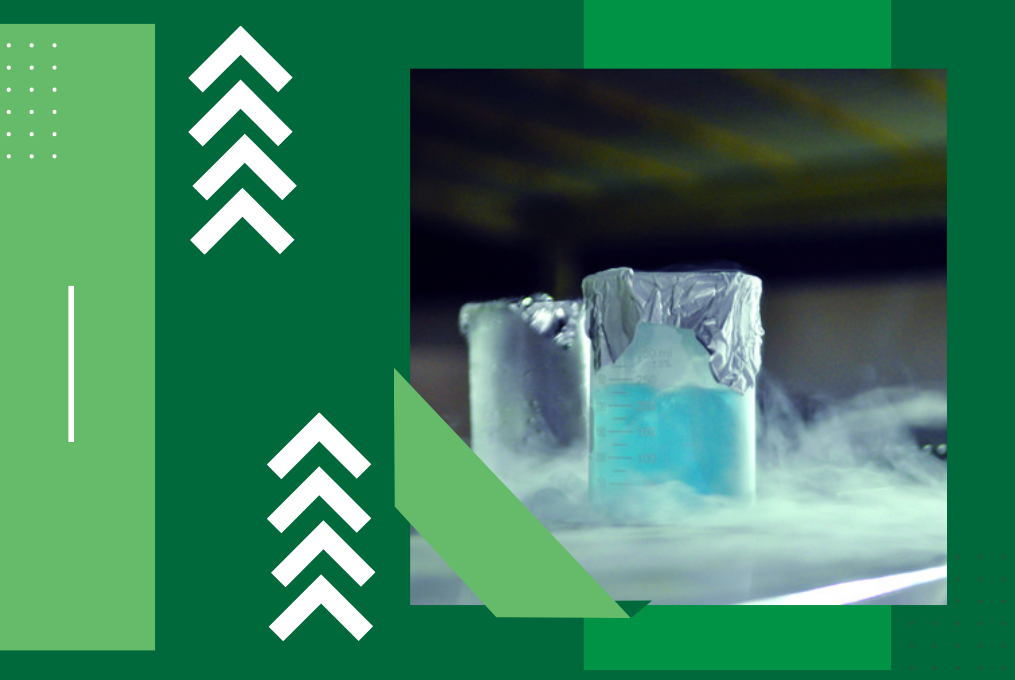
Liquid oxygen, often abbreviated as LOX, is an incredible substance with unique properties and many applications. In this blog, we will explore what liquid oxygen is, its properties, and how it is used in different fields.
Exploring Liquid Oxygen
Liquid oxygen is oxygen in its liquid state. Under normal conditions, oxygen is a gas that we breathe every day. However, it turns into a pale blue liquid when cooled to extremely low temperatures.
Making liquid oxygen involves cooling the gas to around -183 degrees Celsius (-297 degrees Fahrenheit). Oxygen becomes a cryogenic liquid at this temperature, meaning it remains liquid only at very low temperatures.
Properties of Liquid Oxygen
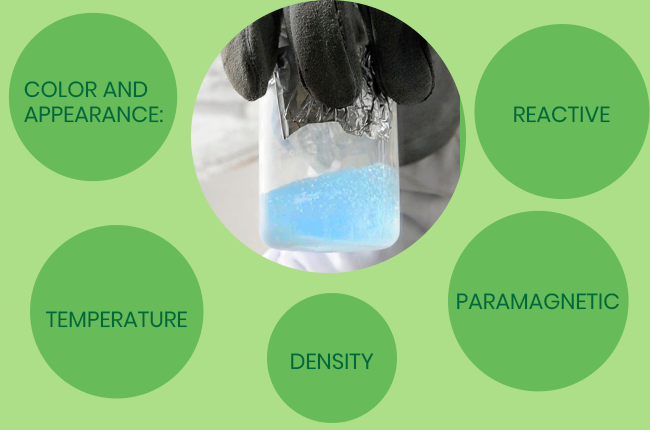
Liquid oxygen has several exciting and essential properties:
Color and Appearance: It is a light blue color and is transparent. This color is due to the way oxygen molecules absorb and reflect light.
Temperature: As mentioned, it remains liquid at extremely low temperatures. This makes it a cryogenic liquid, requiring special equipment to store and handle it safely.
Density: Liquid oxygen is denser than its gaseous form. This means a small volume of liquid oxygen can hold much oxygen gas.
Paramagnetic: Liquid oxygen is weakly attracted to magnets. This property is known as Para magnetism and is unique to materials like oxygen.
Reactive: Oxygen is highly reactive and supports combustion. This means that it can make other materials burn more vigorously. This property is even more pronounced when in liquid form, so it must be handled with care.
Applications of Liquid Oxygen

Liquid oxygen is used in various fields due to its properties. Here are some of the most common applications:
Medical Use: Oxygen is essential for life, and liquid oxygen is used in hospitals and for medical treatments. It is used in oxygen therapy to help patients with breathing difficulties. It is also used in ambulances and at home for patients who need supplemental oxygen.
Rocket Fuel: One of the most exciting uses of liquid oxygen is in the aerospace industry. It is a critical component of rocket fuel. Rockets use liquid oxygen along with liquid hydrogen or kerosene as a fuel. Liquid oxygen helps the fuel burn more efficiently, providing the thrust to launch rockets into space.
Industrial Use: In various industries, liquid oxygen is used for processes that require high temperatures. For example, in steelmaking, it is used to help burn impurities out of the metal. It is also used in welding and cutting torches, where a high-temperature flame is needed.
Environmental Applications: Liquid oxygen is used in wastewater treatment plants to help break down organic matter. The oxygen supports the growth of bacteria that decompose waste, making the water cleaner.
Scientific Research: In laboratories, liquid oxygen is used in experiments that require extremely low temperatures. It is also used to create a controlled atmosphere for various types of research.
Safety Considerations
While liquid oxygen is beneficial, it must be handled with great care. Its low temperature can cause severe frostbite when contacted with skin. Additionally, it supports combustion and can make fires burn much more intensely.
Proper storage and handling equipment, such as insulated containers and protective gear, are essential when working with liquid oxygen.
Final Thoughts!
Liquid oxygen is a fascinating substance with unique properties and numerous applications. It plays a crucial role in various fields, from medical treatments to space exploration. Its ability to support combustion and extremely low temperature makes it strong and dangerous, requiring careful handling and respect.
As technology advances, the use of liquid oxygen will likely continue to expand, making it an even more integral part of our lives.