Collaborative Product Design: Involving Teams Across the Value Chain

Industries today move too quickly for isolated approaches. Collaborative product design integrates voices from across the value chain—helping companies reduce risks, shorten cycles, and deliver products that meet market demands. By connecting engineers, designers, suppliers, and customers, businesses can reduce risks, shorten timelines, and build products that truly match market needs. This blog highlights why collaboration matters, who the key stakeholders are, the role of suppliers, the tools that enable teamwork, and best practices for successful product design.
What is Collaborative Product Design?
At its core, collaborative product design is about moving away from siloed processes and ensuring every stakeholder has a voice in shaping the product. Unlike traditional methods where designers hand over work to engineers or suppliers late in the cycle, collaboration ensures shared input from day one. This is where cross-functional team collaboration plays a key role, bridging knowledge gaps and driving better decision-making.
Why Collaboration Matters in Product Design

Collaboration is more than just cooperation—it’s the foundation of successful innovation. By bringing diverse expertise together, companies can solve problems faster, uncover fresh ideas, and avoid costly redesigns. Teams that participate early can highlight technical challenges, market demands, or supply chain risks, ensuring that collaborative product design leads to smarter solutions and stronger outcomes.
Key Stakeholders and the Role of Suppliers in Value Chain Product Development
In collaborative product design, every stakeholder plays a vital role—designers shape the concept, engineers ensure technical feasibility, marketing connects products with customer needs, and end users provide insights that guide functionality. Among these, suppliers are especially important. Involving them early in value chain product development helps teams select the right materials, estimate realistic production costs, and identify potential supply risks before they become costly problems. Their early input strengthens decision-making, reduces delays, and ensures that the final product is both practical and market-ready.
Tools and Technologies that Enable Collaboration
Modern tools make collaboration easier than ever. Cloud-based platforms allow real-time access to designs, while Product Lifecycle Management (PLM) systems keep workflows transparent. Digital simulations and virtual prototyping also support collaborative product design, helping teams identify flaws before manufacturing starts. When combined with continuous communication, these technologies ensure that feedback moves quickly across the entire network.
Challenges in Collaborative Product Design
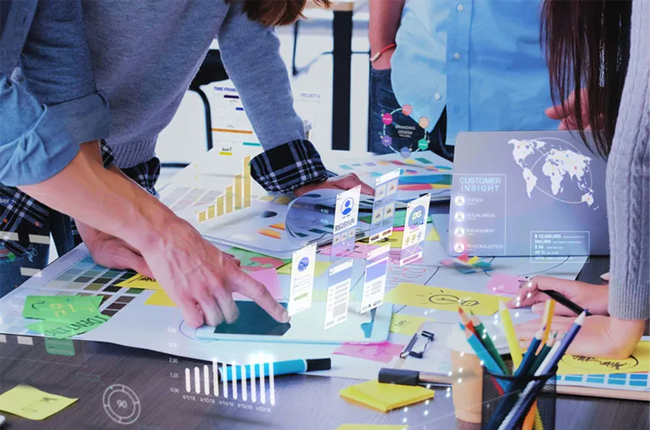
Of course, collaboration is not without challenges. Misaligned goals, communication barriers, and cultural differences can slow progress. To overcome these issues, organizations need clear processes, strong leadership, and shared performance indicators. Structured reviews and open communication help prevent misunderstandings, making cross-functional team collaboration smoother and more productive.
Best Practices for Successful Collaboration
To get the best results, teams should focus on:
Building transparency and trust across departments and partners
Establishing clear workflows and defined responsibilities
Involving every team early across the value chain
Holding regular reviews and incorporating feedback
These practices ensure that collaborative product design becomes a consistent and reliable process rather than a one-time initiative.
The Future of Collaborative Product Design
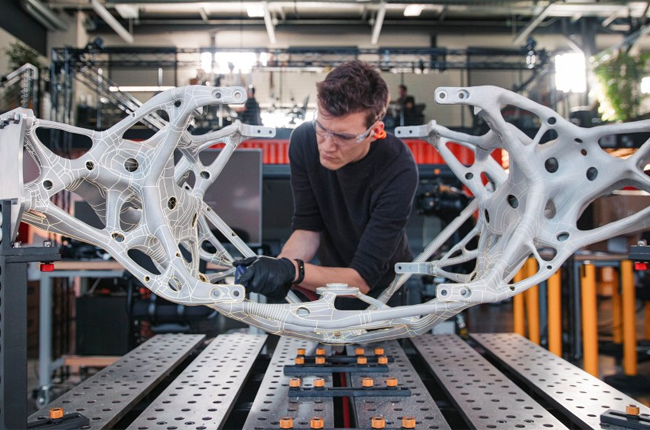
As industries evolve, the importance of collaboration will only increase. Global teams are working together across time zones, sustainability goals are shaping design choices, and predictive tools are helping teams anticipate challenges. The future of collaborative product design lies in deeper integration, where every partner in the value chain contributes knowledge to create products that meet real-world demands.
Final Words
Collaborative product design is transforming how businesses create, test, and deliver products. By involving all stakeholders across the value chain, companies gain efficiency, reduce risks, and design with greater accuracy. With the help of cross-functional team collaboration and stronger value chain product development, organizations can stay ahead of competition and deliver products that truly matter.