CNC Waterjet vs. CNC Router
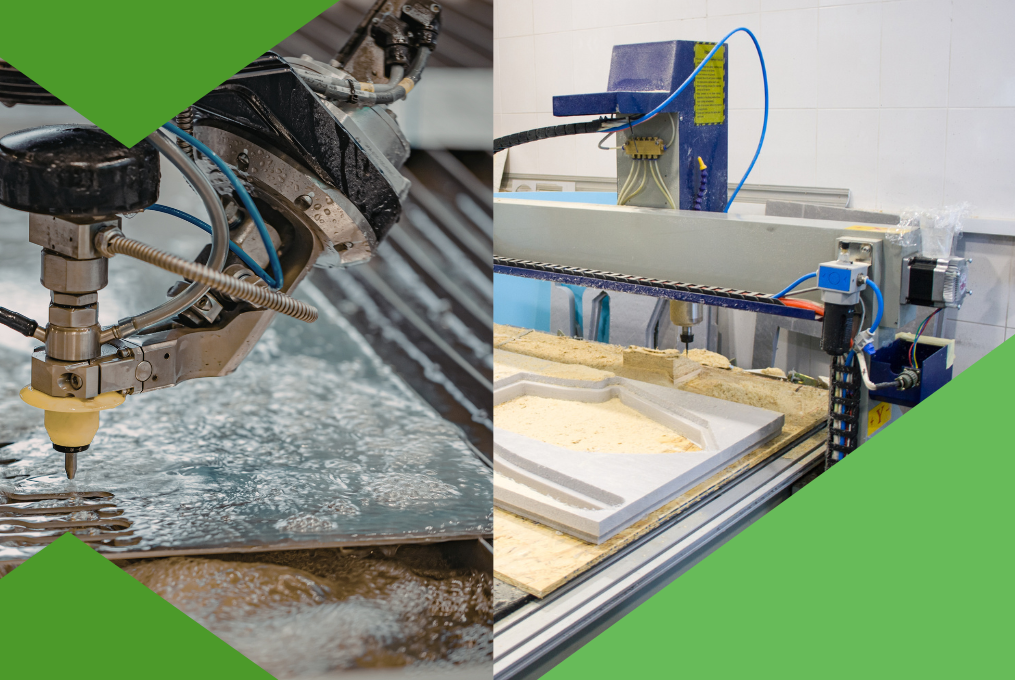
When it comes to precision cutting in modern manufacturing, two powerful machines often take the spotlight — the CNC Waterjet and the CNC Router. Both are popular, both accurate, and both play important roles in industries like automotive, aerospace, construction, and fabrication. But which one is the right choice for your project? Let’s break it down in simple words and explore how CNC Waterjet cutting and CNC Router cutting differ — and how each can help you achieve the best results.
Understanding CNC Waterjet Cutting
A CNC Waterjet uses a high-pressure stream of water, sometimes mixed with abrasive materials, to cut through different materials. The water moves at extremely high speed and cuts cleanly without generating heat.
The biggest advantage of CNC Waterjet cutting is that it doesn’t use heat — making it ideal for materials that could melt or warp with other cutting methods. It’s widely used for metals, glass, stone, composites, plastics, and ceramics.
Key Benefits of CNC Waterjet Cutting
No Heat Distortion: Since there’s no heat involved, materials retain their original properties.
Versatile Material Cutting: Works on almost any material, from soft rubber to hard steel.
Smooth and Precise Edges: Cuts are clean, requiring minimal finishing.
Environmentally Friendly: Uses water and abrasives, with minimal waste.
If you need to cut materials that are delicate or heat-sensitive, CNC Waterjet cutting is your best option.
Understanding CNC Router Cutting
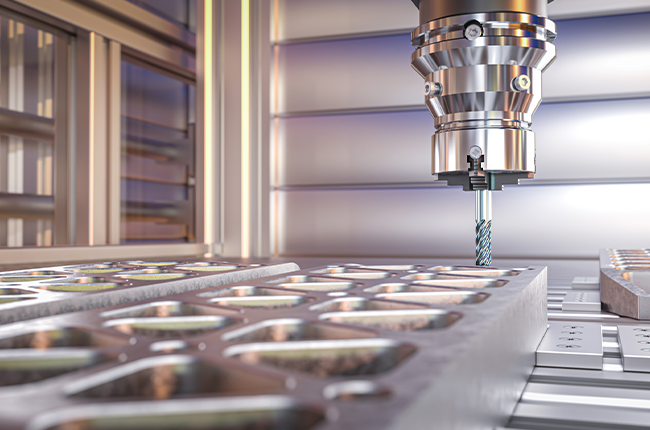
A CNC Router uses a rotating cutting tool or spindle to remove material. It’s best known for cutting softer materials like wood, plastic, foam, and aluminum sheets. The router moves along programmed paths to shape, carve, or drill materials with high precision.
CNC Routers are extremely fast and efficient, especially projects requiring detailed engraving, 3D carving, or large production runs.
Key Benefits of CNC Router Cutting
Perfect for Non-Metal Materials: Ideal for wood, MDF, plastic, and composites.
High-Speed Operation: Cuts faster than most other machines.
Excellent for Design Work: Great for detailed engraving, shaping, and prototyping.
Cost-Effective: Lower operational and maintenance costs.
If your business works with wood or plastic components, a CNC Router is often the smarter investment.
CNC Waterjet vs. CNC Router
Now, let’s compare both technologies side by side to understand where each one shines.
| Aspect | CNC Waterjet | CNC Router |
| Cutting Method | Uses high-pressure water (with abrasives) | Uses rotating cutting tools |
| Material Compatibility | Works on metal, glass, stone, composites, plastics | Works on wood, foam, plastic, soft aluminum |
| Heat Generation | No heat (cold cutting process) | Generates heat (mechanical friction) |
| Edge Finish | Smooth and precise | May need post-finishing |
| Speed | Slower cutting speed | Faster cutting speed |
| Maintenance Cost | Higher | Lower |
| Accuracy | Extremely precise | High precision but material-dependent |
Both are precise and computer-controlled, but the CNC Waterjet handles more materials and produces cleaner cuts. Meanwhile, the CNC Router is faster, more affordable, and ideal for softer materials.
When to Choose CNC Waterjet Cutting
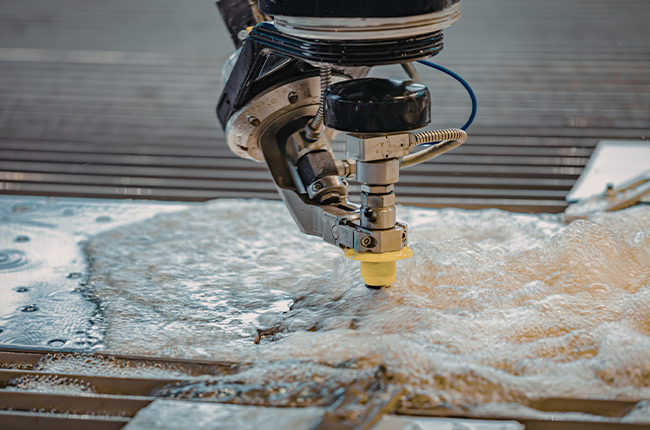
Choose CNC Waterjet when:
You are working with thick or hard materials like steel, titanium, or granite.
The project requires high precision and no heat distortion.
You need a smooth edge finish with minimal post-processing.
Your business serves industries like aerospace, architecture, or heavy equipment.
The CNC Waterjet is a go-to for industries where accuracy and surface finish matter more than speed.
When to Choose CNC Router Cutting
Choose CNC Router when:
You are cutting wood, foam, acrylic, or light metals.
The project needs speed, design flexibility, and cost efficiency.
You produce signs, furniture, panels, or decorative parts.
You want a high-speed cutting process for high-volume production.
The CNC Router is perfect for businesses looking for fast, repeatable, and economical cutting in non-metal applications.
CNC Waterjet vs. CNC Router: Which One is Right for You?
The choice between CNC Waterjet and CNC Router depends on your material type, cutting precision, and production needs.
If you’re cutting hard metals or heat-sensitive materials, a CNC Waterjet machine is ideal. It gives you excellent accuracy, clean edges, and no risk of thermal damage.
But if you’re handling softer materials like wood or plastic and need speed and design flexibility, a CNC Router is the better option. It’s cost-effective and perfect for creative designs and high-volume manufacturing.
Both machines are essential in today’s modern sheet metal fabrication and manufacturing industries, and many companies use both to cover all material types and project requirements.
Contact VmakeU today to discuss your project or learn more about our CNC Waterjet and CNC Router cutting services.