CMM vs. Traditional Measuring Tools: What’s the Difference?
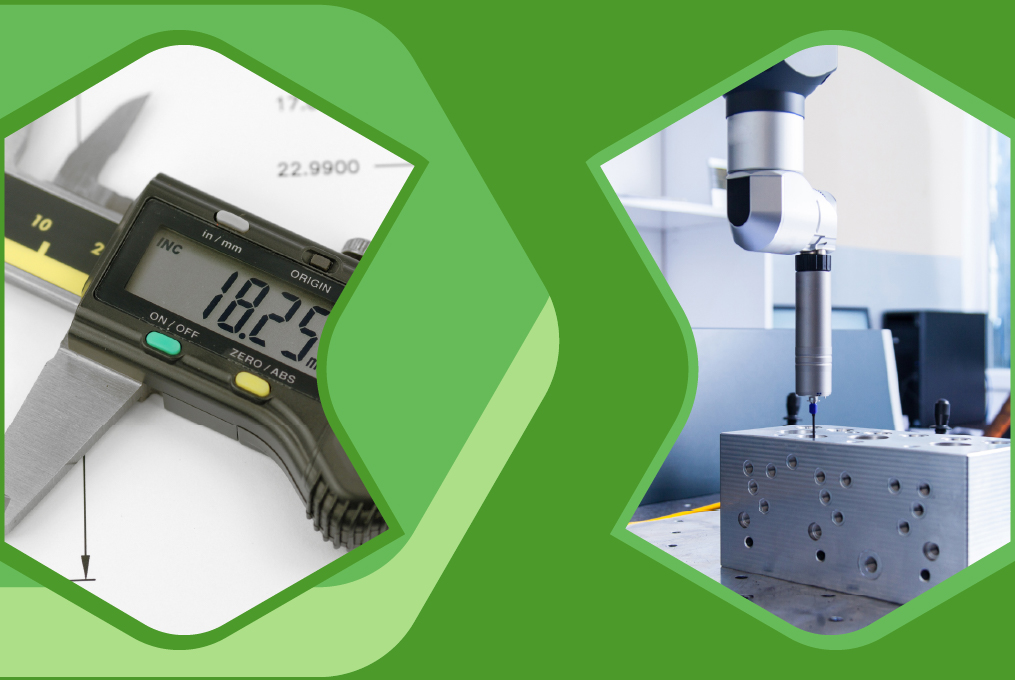
Choosing the right measurement tool is essential in manufacturing and quality control. CMM vs Traditional Measuring Tools differ in precision, efficiency, and application. Coordinate Measuring Machines offer high accuracy, automation, and digital data integration, making them ideal for complex parts and high-volume production. In contrast, traditional tools are portable, cost-effective, and simple to use, suitable for smaller batches or straightforward measurements. Understanding the coordinate measuring machine benefits and the importance of manual measuring tools' accuracy helps manufacturers make smarter decisions and maintain high product quality.
What Is a Coordinate Measuring Machine (CMM)?
A Coordinate Measuring Machine (CMM) is a precision instrument used to measure the exact dimensions of a part. It works by recording X, Y, and Z coordinates on the object and comparing them to design specifications. CMMs come in several types: bridge, gantry, horizontal arm, and portable models.
One of the main benefits of coordinate measuring machines is their ability to measure complex shapes accurately. They reduce human error and provide repeatable results, making them ideal for high-precision industries.
What Are Traditional Measuring Tools?
Traditional measuring tools include callipers, micrometres, height gauges, and dial indicators. They are simple, portable, and cost-effective. Their strength lies in versatility and ease of use, especially for small-scale operations.
However, manual tools have limits in precision. The manual measuring tools' accuracy depends heavily on the operator’s skill. Errors can occur due to human factors, tool wear, or environmental conditions.
Key Differences Between CMMs and Traditional Tools
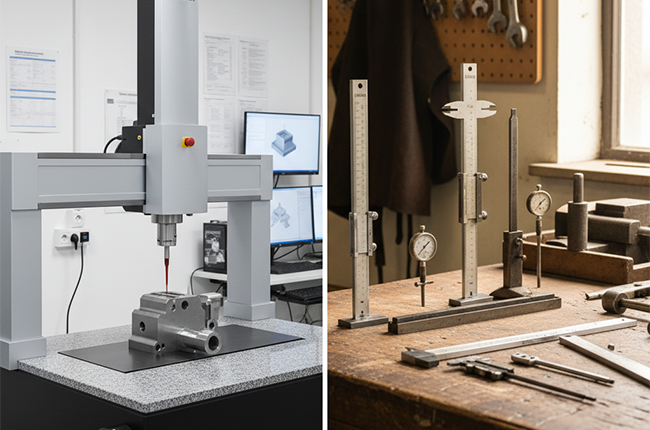
Look out, here is the key difference: CMM vs Traditional Measuring Tools: -
Accuracy and Precision:
CMMs provide highly precise and consistent measurements. Traditional tools depend on the operator’s skill, which can introduce errors and inconsistencies.Speed and Efficiency:
CMMs measure parts automatically and quickly, saving time for large or complex batches. Manual tools require slower, hands-on measurement.Data Handling:
CMMs produce digital outputs that integrate with CAD and quality systems, reducing errors. Traditional tools often need manual recording, which increases the risk of mistakes.Complex Geometry Measurement:
CMMs can accurately measure intricate, irregular, or 3D shapes. Traditional tools are limited to simpler geometries and may struggle with complex components.
Advantages of Using CMMs
A few key advantages are discussed below — take a look:
Consistent and Repeatable Measurements:
CMMs ensure that every measurement is precise, reducing variability between checks.
This consistency makes it ideal for industries where quality standards are strict.Reduced Errors:
Automation minimizes human mistakes that can occur with manual measuring tools.
Fewer errors mean less rework and higher confidence in measurement data.Time-Saving:
CMMs can measure multiple points quickly, which speeds up inspection processes.
Faster measurements increase production efficiency without compromising accuracy.Digital Integration:
Measurements from CMMs can be directly linked to CAD or quality management software. This helps in tracking changes, storing data, and maintaining traceability.Complex Component Handling:
CMMs can accurately measure intricate, irregular, or 3D parts. They are indispensable for modern manufacturing with complex geometry.Data Storage and Traceability:
Measurement results are stored digitally, ensuring easy access for audits or analysis.
This strengthens quality control and documentation processes.
Advantages of Traditional Measuring Tools
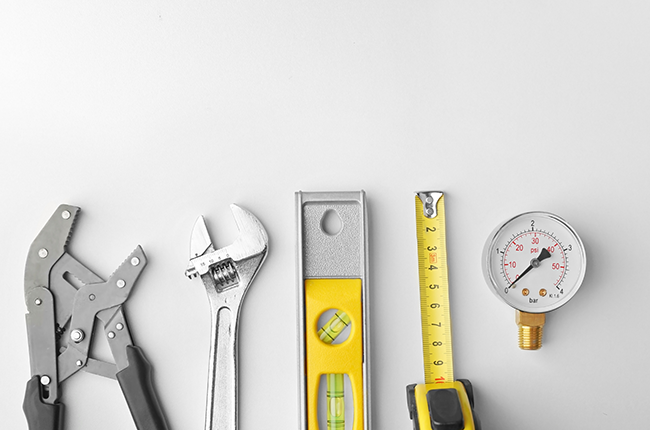
Check out here few advantages of Traditional Measuring Tools: -
Cost-Effective:
Traditional tools require a smaller investment compared to CMMs. This makes them suitable for startups or small-scale manufacturing units.
Ease of Use:
They do not need complex training or software to operate effectively. Operators can quickly measure parts without extensive setup
.Portability:
These tools are lightweight and easy to carry across the workshop or site. They allow quick measurements wherever needed, adding flexibility.
Quick Checks:
Ideal for small batches or simple parts where high automation is necessary. They help maintain efficiency in low-volume operations.
Reliable for Basic Measurements:
Manual tools provide accurate readings for standard shapes and dimensions. They remain a dependable choice for simpler quality checks.
Choosing the Right Tool
Depending on your choice, based on the criteria, you can choose the right tool for you!
Production Volume:
High-volume operations benefit from CMMs due to speed and consistency. Manual tools are more suited to small batches where automation isn’t critical.
Part Complexity:
Complex geometries and 3D components are best measured with CMMs. Simple shapes can be handled effectively using traditional tools.
Accuracy Needs:
Tight tolerances require the precision that only CMMs can deliver. For less demanding measurements, manual tools provide sufficient accuracy.
Budget Considerations:
CMMs have higher upfront costs but offer long-term efficiency. Traditional tools are budget-friendly and require minimal maintenance.
Portability Requirements:
Manual tools excel when measurements need to be taken in various locations. CMMs are fixed and better suited for controlled environments.
Final Words
In summary, the choice between a CMM vs Traditional Measuring Tools depends on your measurement requirements. CMMs offer high precision, repeatability, and digital data handling, while traditional tools are simple, portable, and cost-effective. Understanding the coordinate measuring machine benefits and manual measuring tools help manufacturers make smarter choices for better product quality.