Biomimicry in Design: Learning from Nature to Build Smarter Products
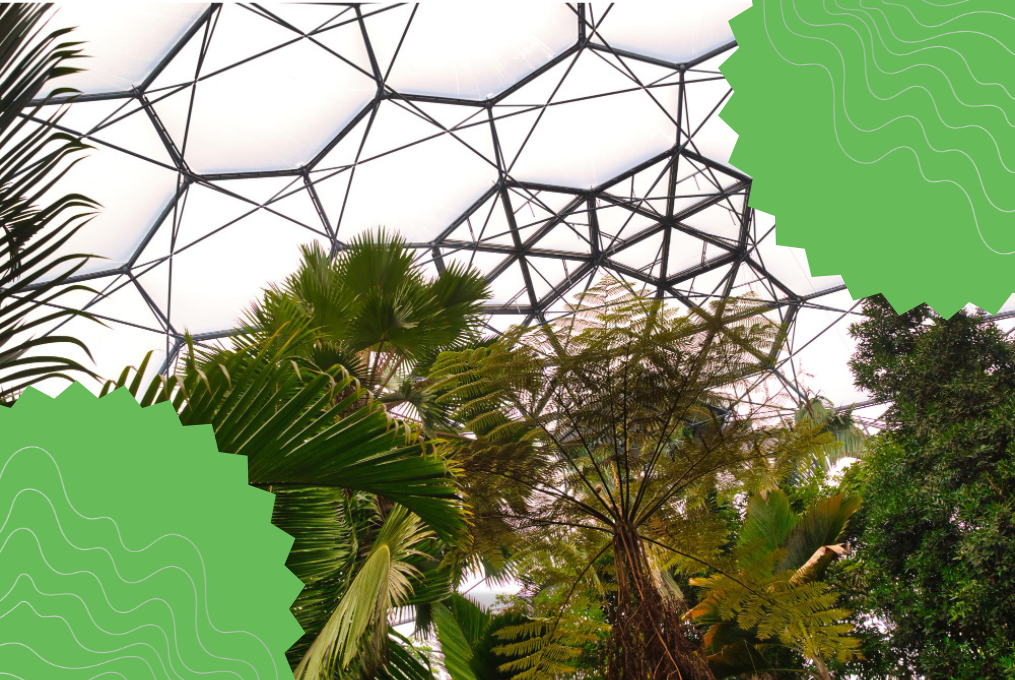
Have you ever stopped to wonder how nature creates such perfect designs? From the way birds fly to how plants capture sunlight; nature has spent millions of years finding smart and efficient solutions. This is where Biomimicry in Design comes into play. It is all about learning from nature’s smart ideas and using them to build better products and solutions for humans. In simple words, biomimicry means copying nature’s way of solving problems. Instead of inventing something completely new, designers and engineers observe plants, animals, and natural processes and try to apply those ideas to their work. This helps create products that are smarter, more efficient, and often more eco-friendly.
Why is Biomimicry Important in Design?
We live in a world full of challenges—climate change, resource shortage, and growing energy needs, just to name a few. Traditional design approaches sometimes focus only on human needs without considering the environment. But nature always balances things. Every plant, animal, and ecosystem works in harmony, solving problems without wasting energy or harming the environment.
This is why Biomimicry in Design is gaining popularity worldwide. Instead of using complicated technology, designers look at nature’s simple but powerful solutions. The results are smarter products that use less energy, last longer, and work better in the long run.
Real-Life Examples of Biomimicry in Design
Let’s take a few examples where Biomimicry in Design has changed the way we build products:
Velcro – One of the most famous examples. The idea for Velcro came from the way burrs stick to animal fur. A Swiss engineer noticed this and created a hook-and-loop fastening system that we use everywhere—from clothes to space suits.
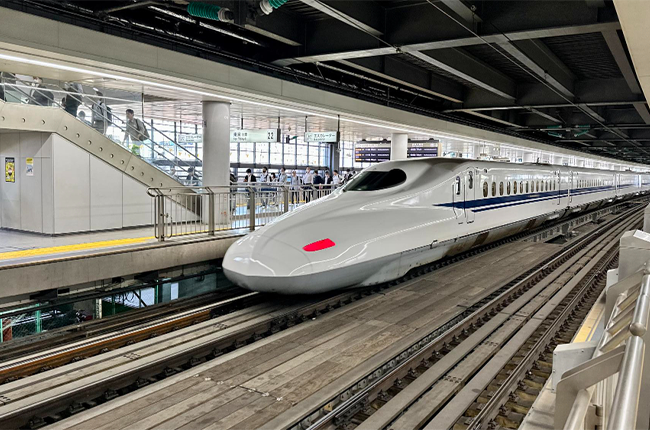
Bullet Train in Japan – The front of Japan’s bullet train was redesigned based on the beak of a kingfisher bird. Kingfishers can dive into the water without making a splash, and this helped engineers reduce noise and air resistance while making the train faster and more energy efficient.
Self-Cleaning Surfaces – The lotus leaf is known for repelling dirt and water naturally. Inspired by this, designers created self-cleaning paints and surfaces used in buildings, which reduce the need for cleaning chemicals and maintenance.
These examples show how Biomimicry in Design helps us make smarter choices by learning from nature’s tried-and-tested methods.
How Can Businesses Benefit from Biomimicry?
For businesses, adopting Biomimicry in Design isn’t just about being eco-friendly—it makes economic sense too. Smarter designs often mean using fewer materials, reducing waste, and improving product lifespan. This leads to lower production costs and happier customers.
For example, companies that design energy-efficient buildings can save on heating and cooling costs by mimicking termite mounds, which naturally regulate temperature without electricity. Similarly, creating water-efficient irrigation systems based on desert plants helps farmers grow crops with less water.
By embracing Biomimicry in Design, businesses not only innovate but also contribute to a greener planet. It becomes a win-win for companies, customers, and nature.
How to Start Using Biomimicry in Design
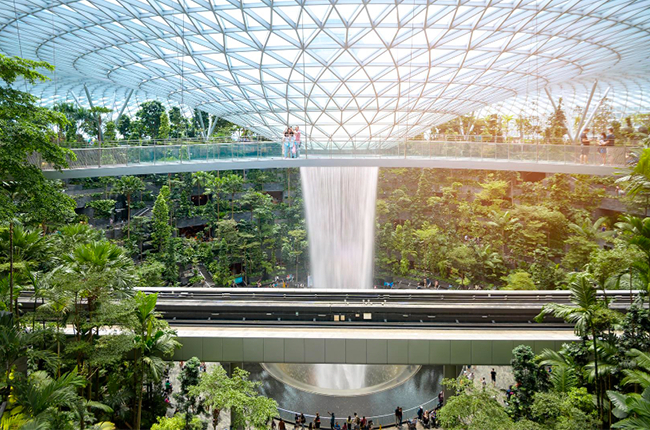
If you are a designer, engineer, or business owner wondering how to start, it’s actually easier than you think.
Observe Nature Carefully – Spend time looking at how plants and animals solve problems in their environment. Even something simple, like how a spider’s web holds together, can inspire a new way to design strong yet lightweight materials.
Ask Simple Questions – How does this plant survive in extreme heat? How does this animal move so efficiently? What materials does it use? These questions help break down nature’s secrets into useful insights.
Collaborate with Biologists – Often, biologists understand nature’s principles better. Working together helps turn biological observations into practical designs.
Prototype and Test – Once you have an idea, build simple prototypes and see if it works in the real world. Nature itself is all about trial and error, so don’t be afraid to experiment.
Finally
Biomimicry in Design is not just a trend—it is a smarter way of thinking. Nature has spent millions of years solving problems without wasting resources or harming the planet. By learning from nature, we can create smarter, more efficient, and eco-friendly products.
Whether it’s making quieter trains, self-cleaning surfaces, or energy-saving buildings, biomimicry helps us rethink design in a more sustainable way. In a world facing environmental challenges, adopting this approach becomes not only useful but essential.
So next time you design a product or solve a problem, look around. Nature might already have the perfect solution waiting for you.