Benefits of sheet metal bending process
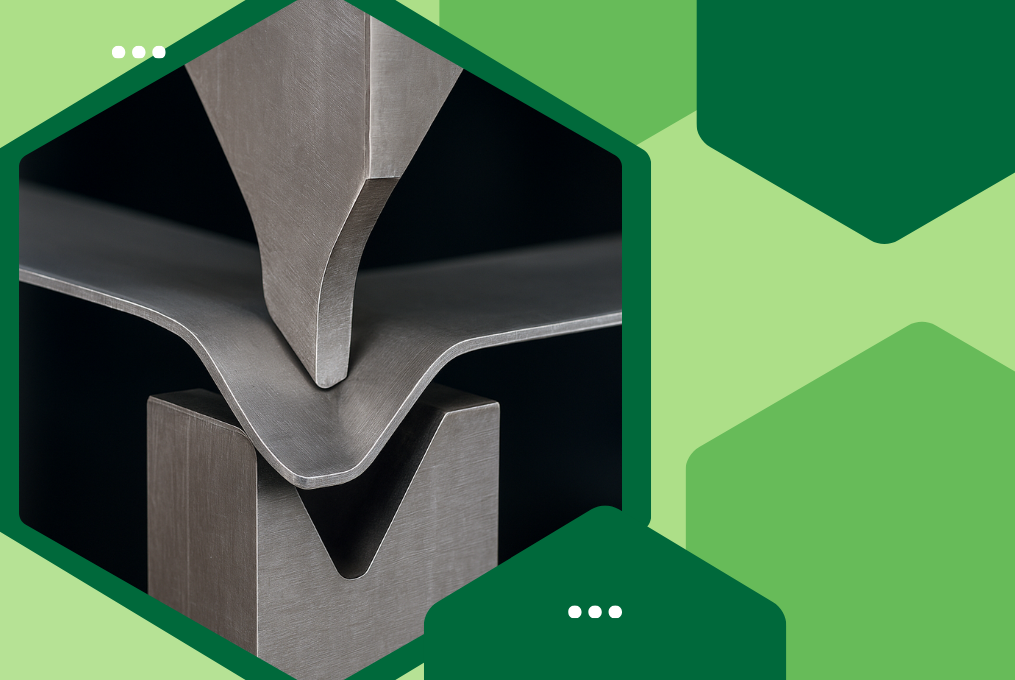
Sheet metal bending is a vital part of the manufacturing world. If you’ve ever seen a car, a kitchen appliance, or even certain parts of an airplane, chances are you’ve encountered the results of sheet metal bending. This process is used to shape metal into specific angles and forms, making it essential for many industries. But what makes it so important? And why do so many industries rely on it? Let's explore the benefits of the sheet metal bending process in simple terms.
Versatility in Design
One of the biggest benefits of sheet metal bending is its ability to create a wide range of shapes. Whether you need a simple 90-degree bend or a more complex shape, bending allows you to get the exact design you need. This versatility means manufacturers can create anything from tiny brackets to large metal panels with precise angles.
This flexibility makes sheet metal bending ideal for industries like automotive, aerospace, and electronics. Whether it’s for a car body, aircraft wing, or computer case, bending offers endless possibilities for design, ensuring the metal fits perfectly in any application.
Cost-Effective Manufacturing
The bending process itself is relatively simple, especially with the help of modern machines. This simplicity translates into lower production costs. Automated bending machines can handle large volumes of metal quickly and accurately, reducing the need for manual labor. This cost-efficiency is especially important for industries that need to produce large quantities of parts in a short amount of time.
Since the bending process doesn’t require expensive molds or complicated setups, it’s also great for smaller production runs. Whether you need hundreds of pieces or just a few, sheet metal bending can be adapted to meet your specific needs, without driving up costs.
Strengthening the Metal
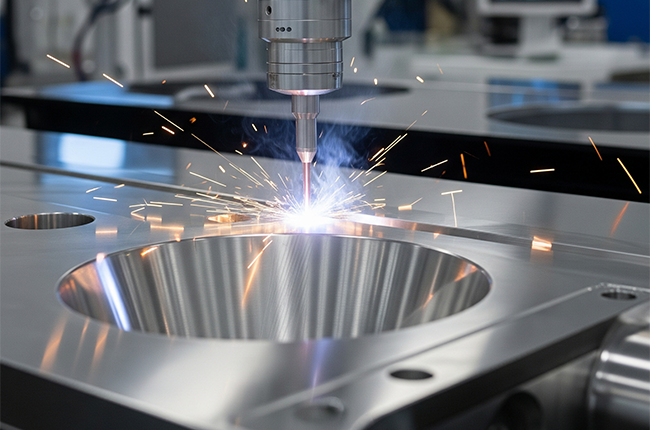
Bending doesn’t just shape the metal—it can make it stronger. When metal is bent, it undergoes a transformation that strengthens its structure. This is known as work hardening, and it happens because the metal’s internal structure becomes more tightly packed during bending.
Stronger metal means more durable products, which is critical in industries where parts are exposed to wear and tear, such as construction or automotive. So, when you choose sheet metal bending, you’re not just getting a piece of metal that fits perfectly; you’re also getting one that will last longer and perform better under stress.
Precision and Accuracy
In many industries, even the slightest mistake can cause problems down the line. For example, in aerospace or medical devices, parts must be made with exact precision to ensure safety and functionality. The good news is that sheet metal bending is a highly accurate process.
Modern bending machines, such as CNC (Computer Numerical Control) systems, allow manufacturers to create parts with incredible precision. These machines follow exact instructions, ensuring that every bend is perfect. The result? High-quality parts that meet strict industry standards and function as intended.
Less Material Waste
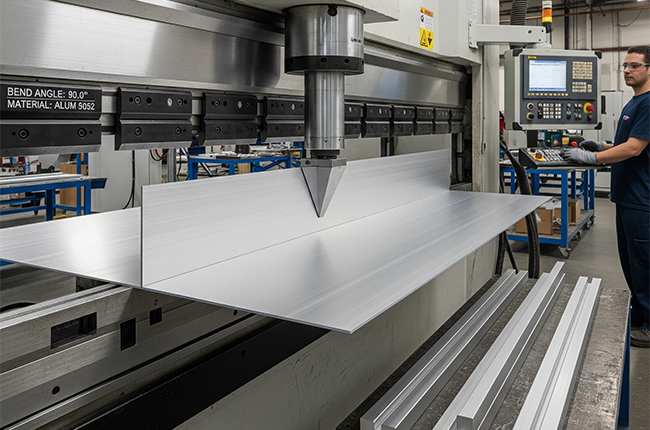
Sheet metal bending is also an environmentally friendly process. When you bend metal, you’re shaping it without cutting or removing any material. This means there’s less waste compared to other manufacturing methods like stamping or cutting, where excess metal may need to be trimmed off and discarded.
For companies looking to reduce their environmental footprint, bending is a great choice. Not only does it help cut down on waste, but it also reduces the need for extra material, saving money and resources in the long run.
Compatibility with Various Materials
Sheet metal bending isn’t limited to just one type of metal. Whether you’re working with steel, aluminum, copper, or even more specialized metals like titanium, bending can accommodate a wide range of materials. This makes it an excellent option for industries with diverse needs.
Different metals have different properties, such as flexibility, strength, or corrosion resistance. The ability to bend various materials means manufacturers can choose the metal that best suits their project’s requirements, whether it’s for a lightweight aerospace part or a corrosion-resistant piece for marine equipment.
Improved Aesthetics
In addition to its practical benefits, sheet metal bending can also improve the appearance of a product. A smooth, precisely bent piece of metal looks polished and professional. This is especially important for products that are visible to customers, such as appliances, furniture, or decorative elements in buildings.
A clean, well-bent piece of metal can enhance the overall design of a product, giving it a sleek and modern look. This aesthetic appeal is one reason why sheet metal bending is often used in industries like interior design or consumer electronics.
Faster Production Times
Finally, sheet metal bending can speed up production times. Automated bending machines can work around the clock, creating parts quickly and efficiently. This is especially beneficial for companies that need to meet tight deadlines or respond to sudden increases in demand.
Faster production times mean you can get your products to market more quickly, helping you stay competitive in fast-paced industries like technology or automotive.
Wrapping Up!
Sheet metal bending is more than just a way to shape metal. It offers a range of benefits, from cost savings and precision to durability and environmental friendliness. Whether you’re designing an aircraft part, a car component, or a piece of furniture, bending can provide the versatility and strength you need for your project. By choosing sheet metal bending, manufacturers can create high-quality, long-lasting products that meet the demands of today’s global market.
This simple, efficient process continues to be a key player in the world of manufacturing, making it an excellent choice for industries all around the world.