Automated Inspection with VMS: Enhancing Speed and Accuracy in Production
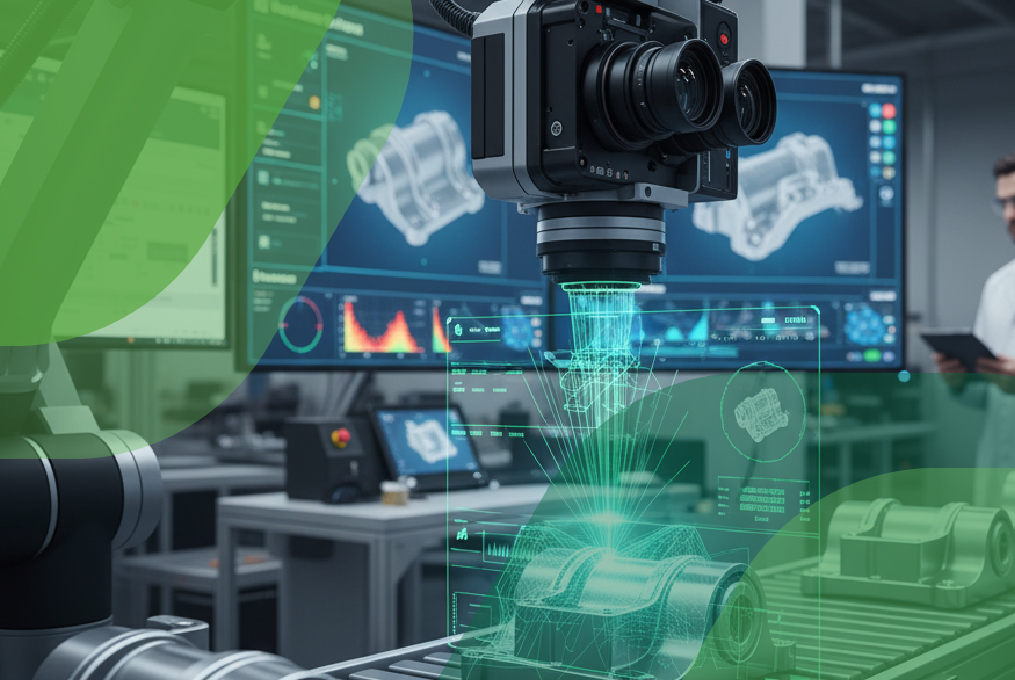
Automated visual inspection systems are transforming how factories inspect parts for defects, dimensions, and overall quality. These systems combine advanced cameras, optical sensors, and intelligent software to detect errors faster than manual inspection, ensuring every part meets design standards. Traditional inspection methods can be slow, prone to human error, and inefficient for large-scale production. Automated systems streamline the process by capturing precise measurements instantly, reducing downtime and increasing throughput. Manufacturers can maintain high consistency across batches while minimizing waste and rework. Explore how Automated visual inspection systems, especially when paired with a Video Measuring System, improve both speed and Production Accuracy, making manufacturing smarter, faster, and more reliable than ever before.
What is Automated Inspection?
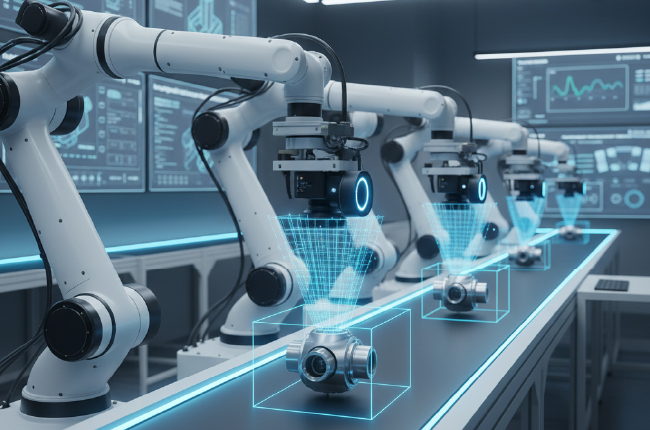
Automated visual inspection systems refer to the use of machines and software to check parts for defects, dimensions, and quality. Unlike manual checks, automated systems reduce human error and speed up production. These systems include tools like optical sensors, laser scanners, and cameras that work together to provide instant results. Some manufacturers call this approach “machine inspection” or “automated quality control,” but the goal remains the same: fast, accurate, and reliable inspection.
How does VMS work in automated inspection?
A Video Measuring System is at the heart of modern automated inspection. It captures high-resolution images of the part and uses software to measure dimensions with micron-level accuracy. The non-contact nature of VMS protects delicate components while maintaining precision. This technology not only measures edges, angles, and surfaces but also stores data for analysis. Using a Video Measuring System, manufacturers can ensure Production Accuracy across batches and reduce waste caused by defects.
How Automation with VMS Reduces Inspection Time?
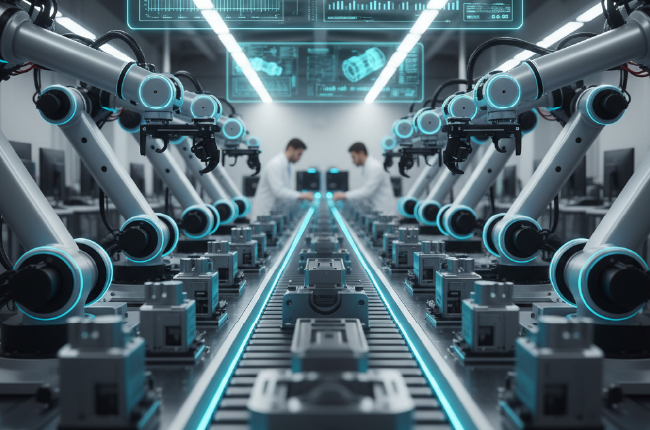
Check out the points here: How automated visual inspection systems with VMS reduce inspection Time:
1. Fast Multi-Feature Measurement
A Video Measuring System (VMS) can capture multiple dimensions of a part simultaneously. Unlike manual checks, which require measuring each feature separately, VMS processes all critical points in one scan. This reduces the inspection cycle significantly, allowing manufacturers to handle larger batches in less time without compromising precision.
2. Real-Time Data Analysis
Automation allows instant analysis of captured images. The software compares measurements with design specifications immediately, highlighting defects or deviations on the spot. This eliminates the need for manual calculations or repeated inspections, enabling quicker decision-making and faster production flow. Operators can act instantly, saving hours over multiple inspection cycles.
3. Consistent and Repeatable Process
Human inspections can vary due to fatigue or error. VMS automation ensures that the same measurement process is repeated for every part. This consistency reduces the need for re-inspection caused by mistakes, streamlining quality control, and cutting down time wasted on correcting errors or verifying measurements manually.
4. Integration with Production Lines
Automated inspection systems can integrate directly with manufacturing lines. Parts can be measured without stopping the production process. Real-time feedback allows immediate adjustments, reducing downtime caused by manual checks. This seamless integration ensures continuous operation and faster overall production while maintaining high-quality standards.
5. Elimination of Manual Setup Delays
Manual inspection requires a setup of gauges, fixtures, or micrometers for each part type. A Video Measuring System automates alignment and calibration, instantly adapting to different parts. This reduces downtime between inspections, saves operator effort, and accelerates throughput, allowing more parts to be inspected per hour with consistent accuracy.
6. Improving Accuracy and Consistency
One of the biggest advantages of Automated Inspection is the consistent precision it delivers. Machines follow the same process for every part, eliminating variations caused by human error. Measurements are repeatable, and results are recorded automatically, ensuring traceability. This level of accuracy is difficult to achieve with manual methods. A well-implemented Video Measuring System guarantees Production Accuracy, making sure every part meets specifications.
Challenges and Considerations
Although the benefits are clear, implementing automated inspections requires careful planning. Initial costs for equipment like a Video Measuring System can be high, and staff need training to operate the systems. Regular maintenance and calibration are also essential to maintain accuracy. Choosing the right technology for your specific production requirements ensures a faster return on investment and better results.
Final Thoughts
Automated Inspection is transforming the manufacturing industry. By combining speed, consistency, and precision, it ensures Production Accuracy and reduces waste. Investing in a Video Measuring System allows companies to stay competitive and meet the high-quality standards of modern production. Whether for small parts or complex assemblies, adopting automated inspection is a step toward smarter, faster, and more reliable manufacturing.