Anodizing Explained: How It Enhances Durability and Aesthetic Appeal in Metal Parts
Anodizing is more than just a coating—it’s a transformation. This process strengthens metals while improving their look and lifespan. It is widely used in industries like aerospace, architecture, and electronics where both performance and design matter. Let’s explore how anodizing adds durability and aesthetic appeal to metal parts.
What Is Anodizing?
Anodizing is an electrochemical process that thickens the natural oxide layer on metals, usually aluminum. This layer acts as a shield, protecting the surface from wear and corrosion. Unlike paint or plating, the anodized layer becomes part of the metal itself.
It’s one of the most trusted metal surface finishing techniques because it offers strength, style, and long-term protection. Besides aluminum, titanium and magnesium are also commonly anodized. Compared to polishing or powder coating, anodizing gives a more consistent and durable finish.
The Anodizing Process: Step-by-Step
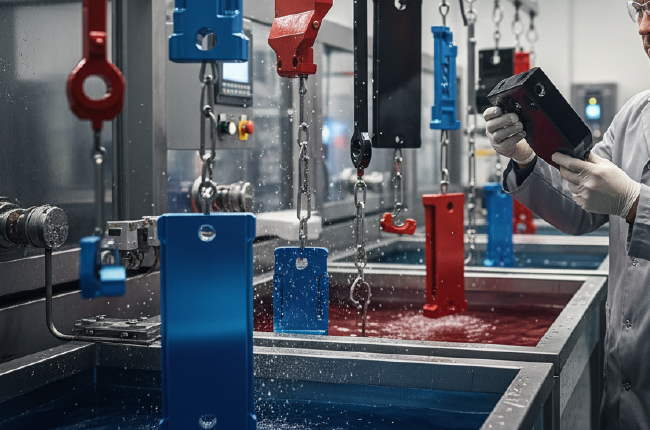
Look here, there are five steps which are discussed below:
Step 1: Surface Cleaning
The process begins with cleaning the metal surface. All dust, grease, and oils are removed using alkaline or acid-based cleaners. This step ensures that the metal is completely pure so that the anodizing layer bonds evenly and firmly.
Step 2: Etching and Desmutting
After cleaning, the metal is etched to remove a thin surface layer and achieve a uniform texture. Then, a desmutting solution removes any remaining impurities, leaving the metal ready for anodizing.
Step 3: Anodizing Bath
The cleaned part is submerged in an acid electrolyte bath, usually containing sulfuric acid. An electric current is passed through the bath, creating an oxide layer on the metal surface. This oxide layer is the foundation of anodizing—it becomes part of the metal, not just a coating.
Step 4: Coloring (Optional)
Once the anodized layer forms, the metal can be dyed in various colors. From sleek black to bright gold, color options depend on the thickness of the oxide layer and the dye used. This step enhances the visual appeal of the metal part.
Step 5: Sealing
Finally, the surface is sealed to close microscopic pores in the anodized layer. Sealing locks in color, improves corrosion resistance, and ensures long-term durability. The result is a strong, attractive, and long-lasting metal surface ready for use.
Durability Benefits of Anodizing
The main reason industries rely on anodizing is its toughness. The oxide layer it forms resists scratches, weathering, and UV damage. It also provides strong corrosion resistance, preventing rust or pitting even in harsh conditions.
Unlike coatings that can peel or chip, anodized surfaces stay intact because the protective layer is part of the metal. This makes it ideal for products exposed to moisture, heat, or chemicals—like aircraft parts, outdoor furniture, and kitchen tools. Anodized finishes also handle friction better, making them suitable for moving parts.
Aesthetic Advantages
Beyond protection, anodizing adds visual appeal. It creates a clean, modern, and smooth surface that can be matte or glossy. The process allows for vibrant color options that don’t fade easily.
Architects and designers love anodized metal because it holds color consistently, even under sunlight or heat. The texture feels premium, and the surface resists fingerprints and smudges. From smartphones to car trims, anodized finishes enhance both look and quality.
Common Applications Across Industries

Here are key things to know about where anodizing is used and why it’s preferred:
Aerospace Industry: Anodizing protects aluminum panels and aircraft components from heat, pressure, and oxidation. The lightweight yet durable coating makes it ideal for high-performance parts.
Consumer Electronics: Smartphones, laptops, and cameras often have anodized casings that stay sleek and scratch-resistant while maintaining a premium finish.
Architecture and Construction: Builders use anodized aluminum for window frames, facades, and railings because of its corrosion resistance and lasting shine.
Automotive Industry: Car trims, wheels, and interior parts benefit from anodizing strong surface and stylish finish.
Everyday Products: Items like flashlights, cookware, and bicycles also use anodized coatings for durability, color, and wear protection.
The blend of strength, style, and long-lasting performance makes anodizing a top choice across industries.
Maintenance and Longevity
Here are some important things to know about keeping anodized parts in great condition:
Simple Cleaning: Use mild soap and water to clean the surface. There’s no need for wax or polish since anodized layers don’t peel or flake.
Scratch Resistance: The hard oxide layer resists scratches, keeping the metal looking new for years.
Long-Term Durability: With basic care, anodized metals maintain their shine and performance for decades.
Eco-Friendly Choice: The long lifespan of anodized parts reduces waste and the need for chemical coatings, making it a sustainable solution.
Anodizing not only strengthens metal but also makes it easier to maintain, ensuring both beauty and protection that lasts.
Final Words
Anodizing continues to be one of the most effective ways to strengthen and beautify metal parts. It offers a blend of style, durability, and sustainability that few other metals surface finishing techniques can match. Whether for industrial machinery or modern architecture, anodized metals stand the test of time—strong, stylish, and ready for any challenge.