5 Common Mistakes to Avoid When Using a Height Master
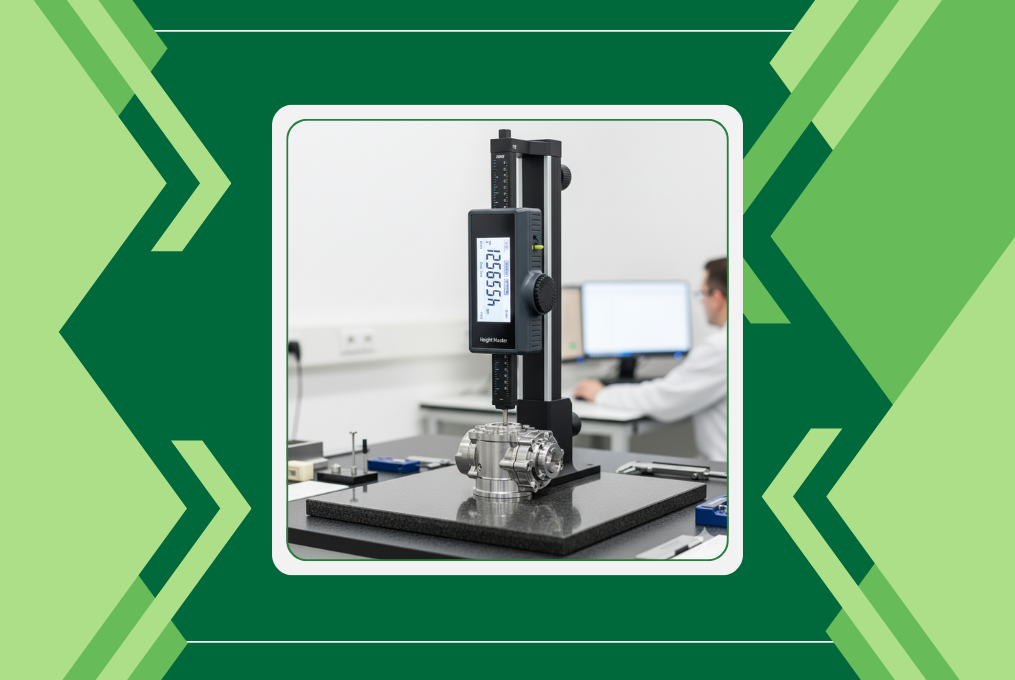
A Height Master is an essential tool for any dimensional inspection process. It acts as a standard reference for measuring devices such as height gauges, micrometres, and other precision instruments. The tool ensures that all vertical measurements are accurate, helping maintain quality in production, engineering, and calibration labs. However, even small mistakes can lead to significant errors, costly rework, or compromised product quality. In this article, we will highlight the 5 common Height Master mistakes to avoid and provide practical tips for achieving accurate measurements every time. Following these tips can improve reliability, save time, and maintain consistency across your inspection processes.
1 Mistake: Not Calibrating the Height Master Regularly
One of the most frequent Height Master mistakes is skipping regular calibration. Even a tiny deviation in the tool height reference can lead to measurement of errors. Ignoring calibration often results in dimensional inspection errors that may go unnoticed until the problem escalates.
Tips to avoid this mistake:
Schedule calibration checks according to the manufacturer’s recommendations.
Document every calibration to ensure traceability.
Use certified reference standards to validate the tool’s accuracy.
Regular calibration ensures that the Height Master maintains its precision and provides reliable readings. Neglecting this step can cause repeated errors in measurements, affecting product quality, and compliance.
2 Mistake: Improper Cleaning and Handling
Many mistakes occur due to improper handling or lack of maintenance. Dust, dirt, oil, or fingerprints on the Height Master can interfere with its readings. Dropping or bumping the tool can also permanently damage its surfaces, causing measurement inaccuracies.
Tips for proper handling:
Always clean the tool with a soft, lint-free cloth before and after use.
Store the Height Master in a dedicated protective case.
Avoid touching critical surfaces with bare hands to prevent contamination.
Proper handling prevents unnecessary Height Master mistakes and extends the lifespan of the tool. A clean, well-maintained instrument ensures that measurements remain precise, reducing downtime and repair costs.
3 Mistake: Using the Wrong Measuring Technique
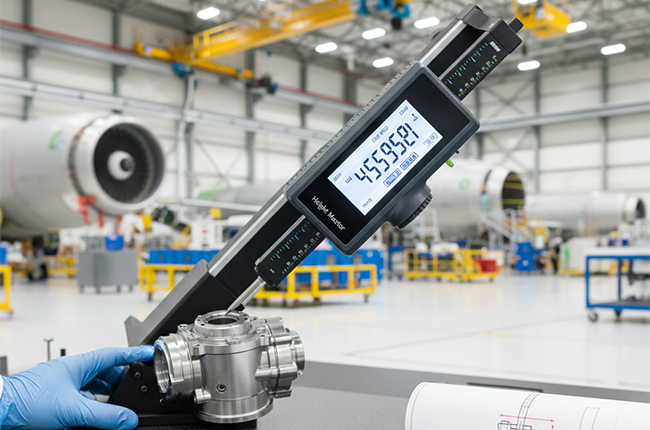
Incorrect measuring techniques are a subtle but common source of error. Even if the Height Master itself is accurate, misaligned contact points, uneven pressure, or an improper angle can affect results. This is one of the most overlooked Height Master mistakes in day-to-day inspections.
Tips for proper measurement:
Always keep the tool perpendicular to the surface being measured.
Apply consistent pressure to avoid deflection.
Train all staff on correct measurement procedures and conduct periodic refresher sessions.
Following the correct technique ensures accurate measurements every time. It also reduces variability between different operators, which is crucial for maintaining consistent quality in production.
4 Mistake: Ignoring Environmental Conditions
Environmental factors such as temperature, humidity, and vibrations can influence the precision of a Height Master. Using it in uncontrolled conditions can result in small errors that compound into significant dimensional inspection errors over time.
Tips to control the environment:
Operate the Height Master in a temperature- and humidity-controlled lab.
Avoid areas with heavy vibrations or direct sunlight.
Use anti-vibration mats or stands if necessary.
A controlled environment ensures that measurements remain stable and reliable. By addressing this factor, you minimize one of the hidden causes of Height Master mistakes and maintain high accuracy.
5 Mistake: Failing to Document Measurements Properly
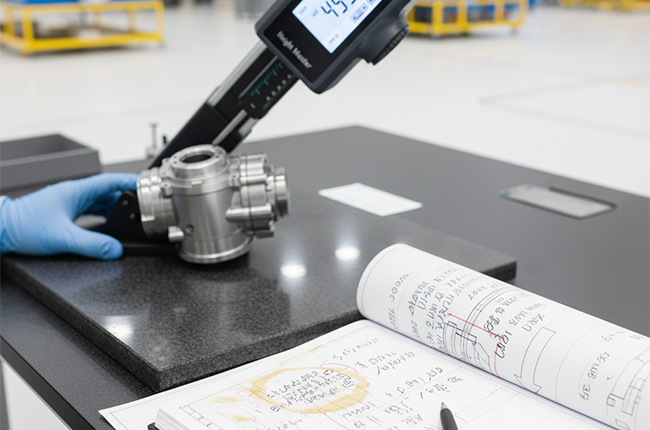
Recording measurements incorrectly is a subtle but critical mistake. Without proper documentation, errors can go undetected, audits become difficult, and quality control suffers. This is often an overlooked source of recurring Height Master mistakes in industrial and laboratory settings.
Tips for accurate documentation:
Use standard forms or digital systems for logging readings.
Double-check entries to avoid transcription errors.
Keep historical records for audits and traceability.
Proper documentation helps track trends, identify recurring issues early, and support compliance with quality standards. It also provides a reference for future inspections, reducing human error in repeated measurements.
Final Thoughts
Avoiding these 5 common Height Master mistakes ensures your measurements remain precise, reliable, and consistent. Regular calibration, careful cleaning and handling, proper measurement techniques, controlled environmental conditions, and accurate documentation are essential for maintaining high-quality standards.
By implementing these precision measurement tips, you can eliminate dimensional inspection errors, improve efficiency, and ensure your products meet stringent quality requirements. A well-maintained Height Master is not just a tool—it’s the foundation of accurate measurements in every inspection process.