3D Laser Cutting and 3D Welding
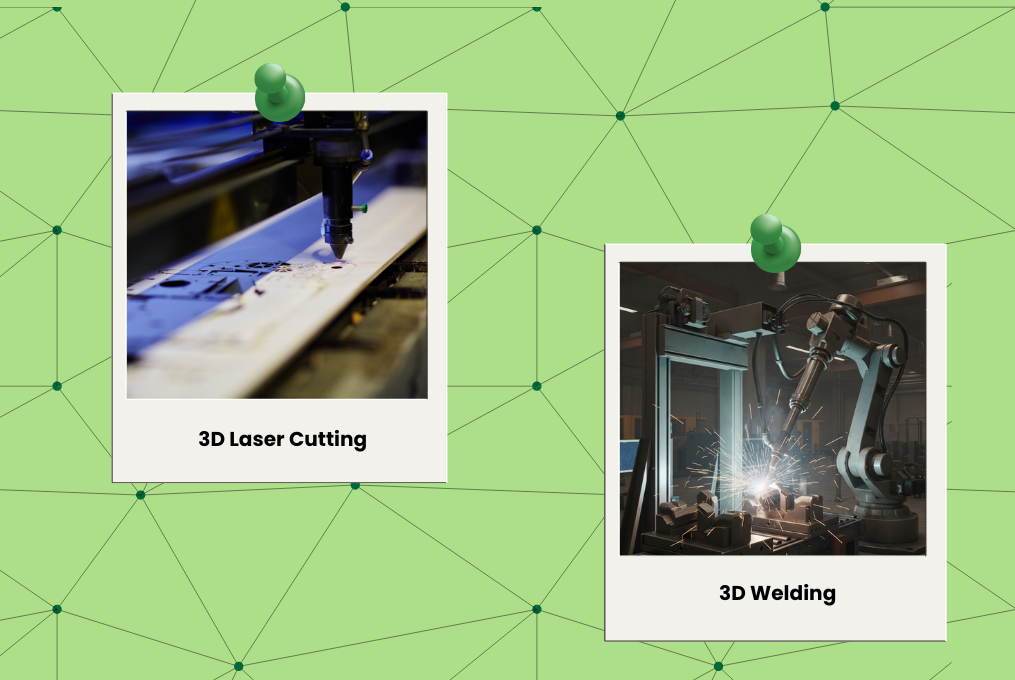
When you think about making strong, perfectly shaped metal parts, what comes to mind? Probably machines, sparks, and a lot of heavy tools, right? But today, things have changed a lot. With 3D laser cutting and 3D welding, the process has become cleaner, faster, and more precise. These technologies are helping industries across the world build better products — from cars and airplanes to everyday electronics. Let’s understand what 3D laser cutting and 3D welding really mean and why they’re so important for the future of manufacturing.
What is 3D Laser Cutting?
3D laser cutting is a process where a powerful laser beam is used to cut materials, especially metals, into specific shapes. What makes it special is that it can cut not just flat sheets but also complex 3D surfaces and tubes.
The laser focuses on a small area, creating intense heat that melts or vaporizes the material without touching it directly. Because the laser doesn’t physically touch the surface, there’s very little wear and tear on the tools, and the edges remain smooth and precise.
Key Features of 3D Laser Cutting
High precision – It cuts with incredible accuracy, even on complicated designs.
Flexibility – Works well on different materials like steel, aluminium, copper, and titanium.
No need for extra tools – Since it’s controlled by software, there’s no need for molds or mechanical tools.
Smooth finish – The edges are clean, reducing the need for extra polishing or grinding.
For industries like aerospace, automotive, construction, and electronics, 3D laser cutting has become a must-have technology. It helps create parts that are lighter, stronger, and perfectly shaped for their purpose.
What is a 3D Welding?
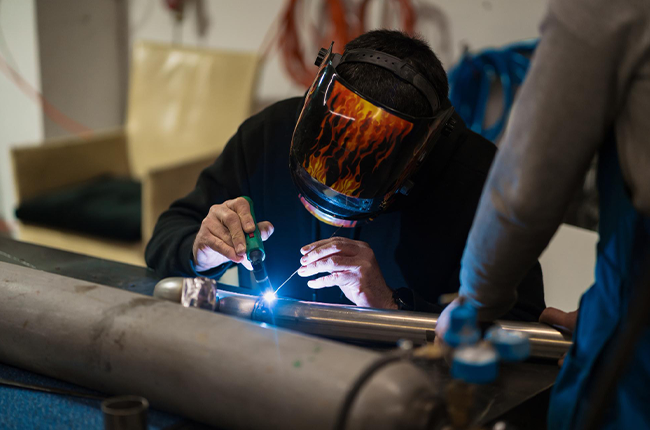
If 3D laser cutting helps create perfect shapes, 3D welding helps join them with perfection. In simple terms, 3D welding uses laser technology to fuse two metal parts together with great precision.
Traditional welding often involves high heat, filler materials, and visible joints. But with 3D laser welding, the beam focuses only on a small area, melting the metal and creating a strong bond without affecting nearby parts. This means cleaner joints, less distortion, and a better overall finish.
Key Features of 3D Welding
Strong and clean joints – The welds are smooth and durable.
Less heat distortion – Only a small area is heated, so the surrounding material remains safe.
Fast and efficient – Perfect for mass production and high-speed manufacturing lines.
Automation ready – Works easily with robotic systems for consistent results.
Because of its precision, 3D welding is widely used in industries like automotive, shipbuilding, medical devices, and electronics — where even the smallest error can affect performance.
How 3D Laser Cutting and 3D Welding Work Together
When combined, 3D laser cutting and 3D welding create a complete, modern metal fabrication process. The parts can be laser-cut into exact shapes and then welded seamlessly with no extra finishing required.
For example, in car manufacturing, 3D laser cutting can shape body panels and structural components. Later, 3D welding can join them with strength and accuracy. The same happens in aerospace, where both technologies ensure lighter yet stronger parts for aircraft.
This combination saves time, reduces waste, and improves product quality — making it ideal for global industries aiming for efficiency and sustainability.
Advantages of 3D Laser Cutting and 3D Welding
Precision and Accuracy
Both technologies provide extremely precise results, allowing for detailed and complex designs that traditional methods can’t achieve.
Faster Production
Since lasers work at high speed and require no physical tool to change, manufacturing time is greatly reduced.
Less Material Waste
3D laser cutting uses only what’s needed, minimizing scrap. This not only saves costs but also supports eco-friendly manufacturing.
Consistent Quality
Automation ensures every part is identical in shape, size, and strength — perfect for industries that demand accuracy.
Cost-Effective in the Long Run
While the setup cost may be higher initially, the reduction in labour, material waste, and finishing work makes it cost-effective over time.
Supports Innovation
Engineers and designers can experiment with new shapes and structures because these technologies can handle complex geometries easily.
Applications of 3D Laser Cutting and 3D Welding
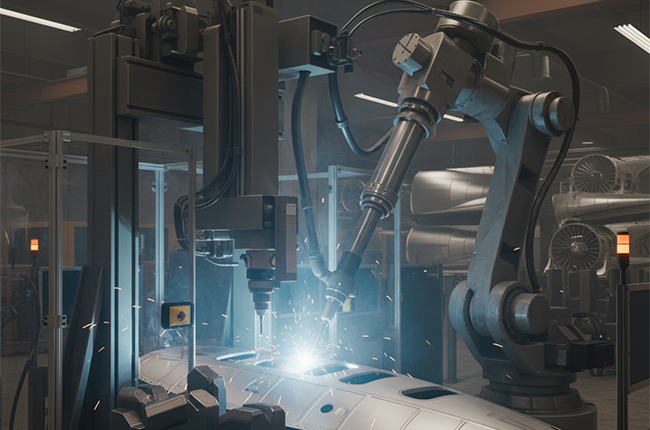
These technologies are used in almost every high-tech industry today.
Aerospace: For cutting and welding lightweight yet strong metal components.
Automotive: For creating vehicle body structures, exhaust systems, and interior frames.
Electronics: For precise cutting of small metal parts used in devices.
Construction: For fabricating strong beams, frames, and custom designs.
Medical Equipment: For making instruments and tools with high precision and safety.
Wherever strength, accuracy, and performance matter — 3D laser cutting and 3D welding make a difference.
The Future of 3D Laser Cutting and 3D Welding
The global manufacturing world is moving toward automation and smart production. With the rise of Industry 4.0, 3D laser cutting and 3D welding are becoming more connected and intelligent.
New systems are now integrated with robots, sensors, and software that track every step of the process. This helps maintain consistent quality, predict maintenance needs, and save more energy.
As industries continue to evolve, these technologies will play an even bigger role in ensuring products are made faster, cleaner, and with higher precision.
Final Thoughts
3D laser cutting and 3D welding are not just tools — they are the foundation of the next generation of manufacturing. They combine speed, accuracy, and flexibility to meet the growing global demand for quality and innovation.
Whether you are in aerospace, automotive, or any other industry that depends on metal fabrication, adopting these technologies can help you stay ahead of the competition.
In short, 3D laser cutting and 3D welding bring together the best of both worlds — design freedom and production efficiency — making them the future of modern metal fabrication.